










A remarkable archaeological find in South Africa's Wonderwerk Cave has compelled scientists to fundamentally reconsider the timeline of human mastery of fire.
Researchers working at the site, renowned for its exceptional prehistoric finds, have identified burned mammal bones dating to approximately 1.79 million years ago.
This discovery extends the known record of controlled fire use by roughly 800,000 years.
Prior to this breakthrough, the earliest evidence from the same cave consisted of a charred bone fragment, plant ash, and burned tools, all dated to one million years ago.
The findings suggest that Homo erectus, our ancient upright-walking ancestor, was harnessing fire far earlier than previously understood.
The burned bones were discovered embedded within fossilised owl pellets, the compacted masses of fur, bone and other prey remnants that owls regurgitate following digestion.
Numerous small bones within these ancient pellets displayed clear evidence of exposure to flames.
Scientists have interpreted this as an indication that Homo erectus likely transported fire repeatedly into the cave's depths, utilising the desiccated pellets as kindling to sustain their flames.
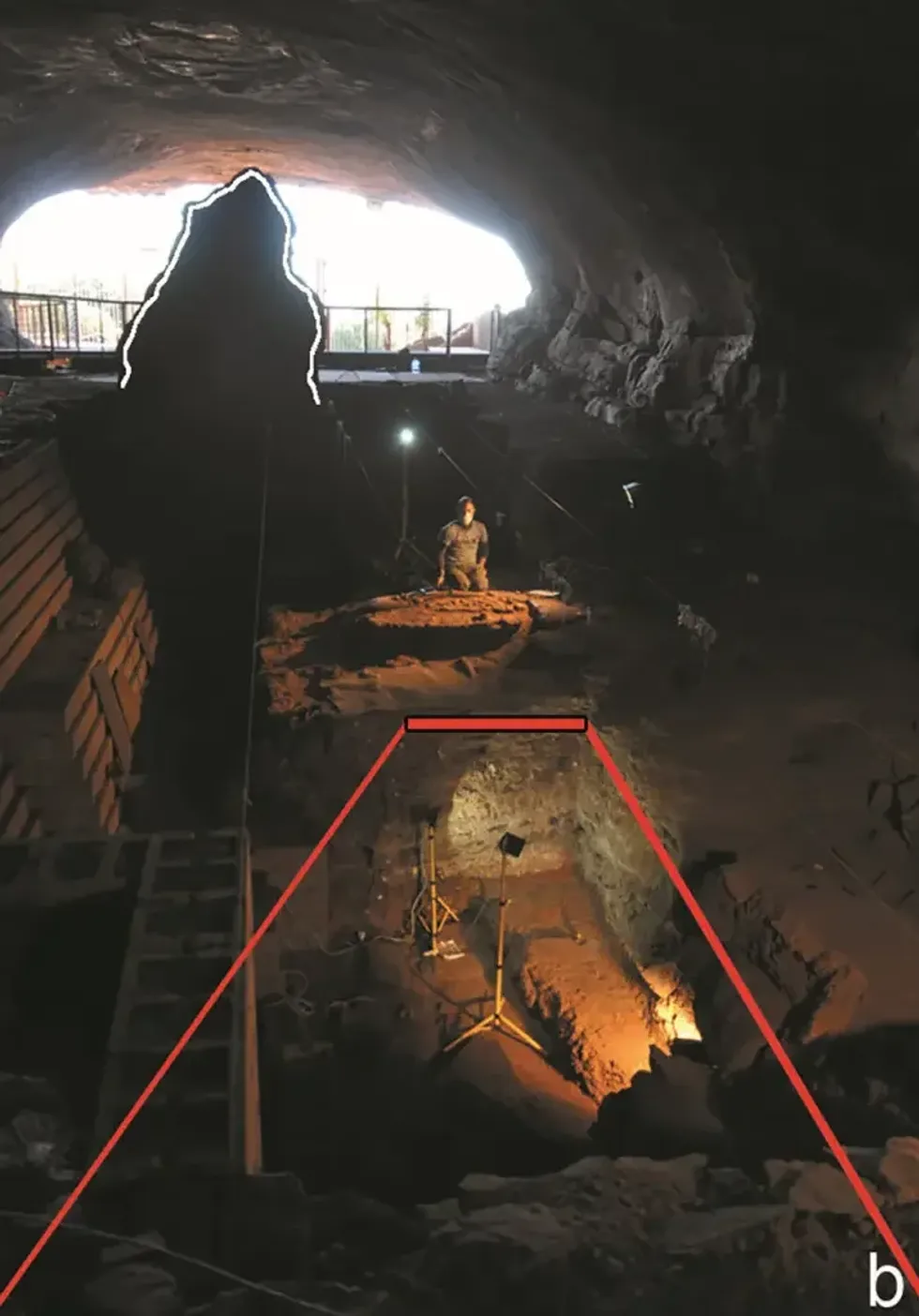
An archaeological find in South Africa's Wonderwerk Cave has compelled scientists to reconsider the timeline of human mastery of fire
|PLOS ONE
This extinct human species, whose name translates as "upright man", existed from around two million years ago until approximately 100,000 years ago.
They were the first hominins to walk fully upright and spread across Eurasia.
To identify the ancient burn marks, the research team employed an innovative technique called bone luminescence that avoids damaging precious fossils.
The method involves directing high-energy blue light onto specimens under a microscope.
LATEST DEVELOPMENTS
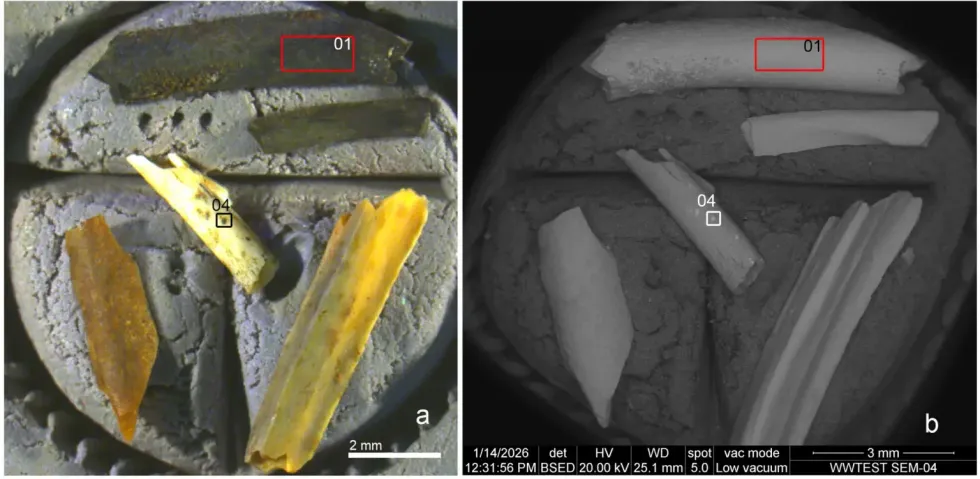
Many of the tiny bones showed signs of burning
|PLOS ONE
Bones previously exposed to fire emit a distinctive red glow when observed through a specialised filter.
A separate laboratory analysis subsequently confirmed these initial results.
Dating the fires required examining the cave sediments using two distinct approaches: one assessed magnetic signatures preserved in the rocks, whilst the other calculated how long materials had remained buried, away from cosmic radiation.
Both methods pointed to repeated fire use spanning back 1.79 million years.
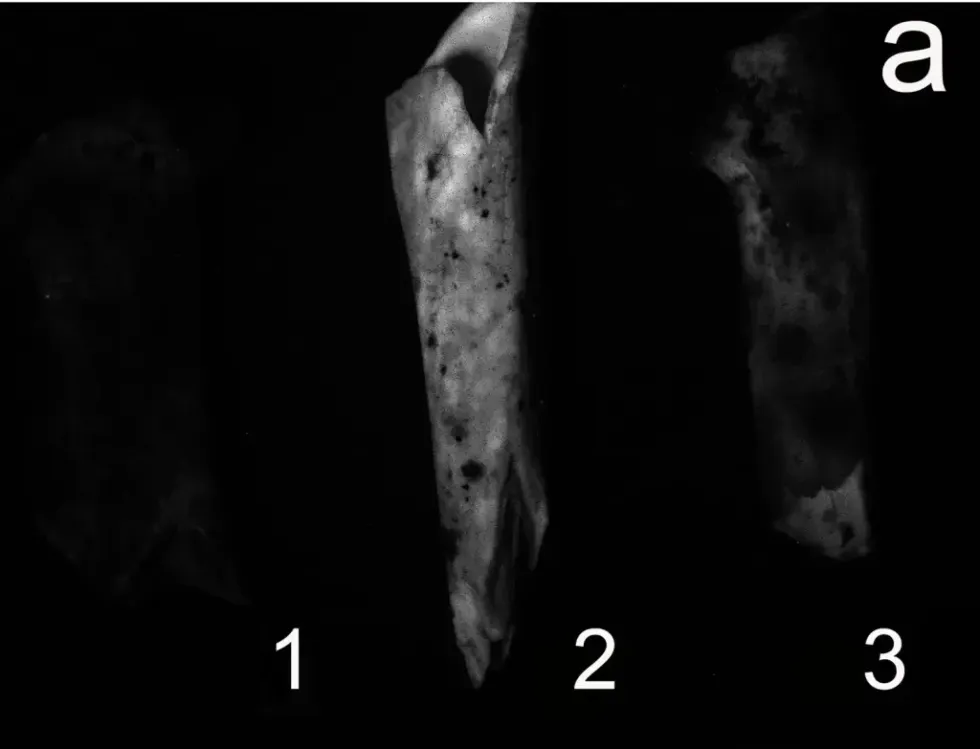
The scientists were able to extend 'the chronology of one of the world’s earliest paleo-fire records'
|PLOS ONE
The study, published this month in the journal PLOS One, offers what researchers describe as "a momentous shift in the relations between hominins and their natural and cultural environments."
However, the scientists caution that the burned bones do not definitively establish that early humans were routinely cooking meals or had mastered sophisticated fire-making techniques.
Rather, the evidence indicates our ancestors repeatedly transported and maintained flames within the cave.
The discovery provides an unprecedented window into a transformative period in human history, potentially illuminating when, why and how early humans first adopted fire and fundamentally altered their relationship with the natural world.
Our Standards: The GB News Editorial Charter