








Freshly released documents from the National Archives of Ireland have disclosed that then Taoiseach John Bruton strongly objected to a proposed 1996 visit by the then Prince Charles aboard the royal yacht Britannia.
The Irish leader warned that bringing the vessel into Irish waters would project an unwelcome image of wealth and dominance.
"The yacht suggests opulence and superiority. It's not the image that should be conveyed," Mr Bruton wrote in a handwritten response to officials.
He declared that Ireland was "the last place" the prince should sail the Britannia.
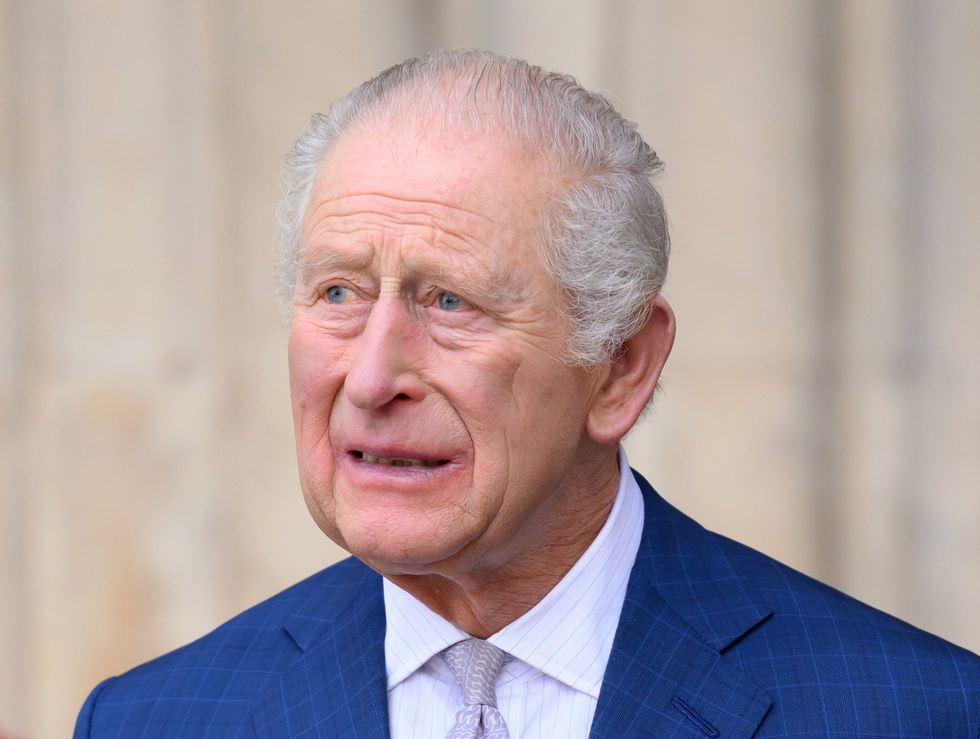
Freshly released documents from the National Archives of Ireland have disclosed that then Taoiseach John Bruton strongly objected to a proposed 1996 visit by the then Prince Charles aboard the royal yacht Britannia.
|GETTY
TRENDING
Stories
Videos
Your Say
The records show British and Irish officials had been discussing a potential three-day trip for the now King Charles III during March 1996, before the plans were ultimately scrapped over safety considerations.
According to correspondence dated March 7 1996, British ambassador Veronica Sutherland outlined Charles's wishes to sail into Galway Bay on the morning of June 28 aboard the Britannia.
"In the evening, he would like to offer hospitality on board Britannia, which would then sail late in the evening for a private weekend in Kerry and Cork, having disembarked the guests," the ambassador wrote.
Government secretary Frank Murray responded on the same day, noting the proposed itinerary had grown considerably beyond initial expectations, which had centred on a stop at Haulbowline harbour in County Cork.
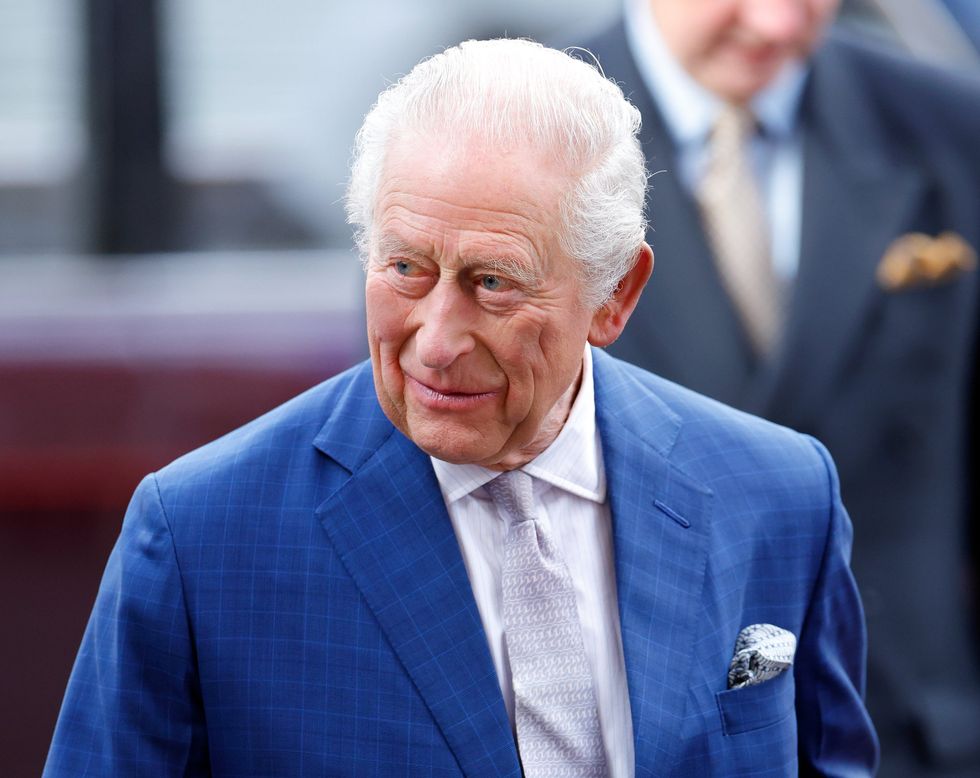
The records show British and Irish officials had been discussing a potential three-day trip for the now King Charles III during March 1996, before the plans were ultimately scrapped over safety considerations.
|GETTY
Mr Murray indicated there seemed little choice but to proceed with the arrangements unless political or security factors intervened.
The agenda had become "rather more elaborate" than originally anticipated, prompting unease among Irish officials.
In his handwritten note to Mr Murray, the Taoiseach questioned whether the royal yacht's arrival in Galway might reignite historical debates surrounding the Treaty ports from the 1930s.
"Will it revive arguments about 'the ports' in the '30s?" he asked.
Mr Bruton suggested a more practical alternative, proposing that Charles simply fly into one of Ireland's regional airports, which would provide a commercial boost to those facilities.
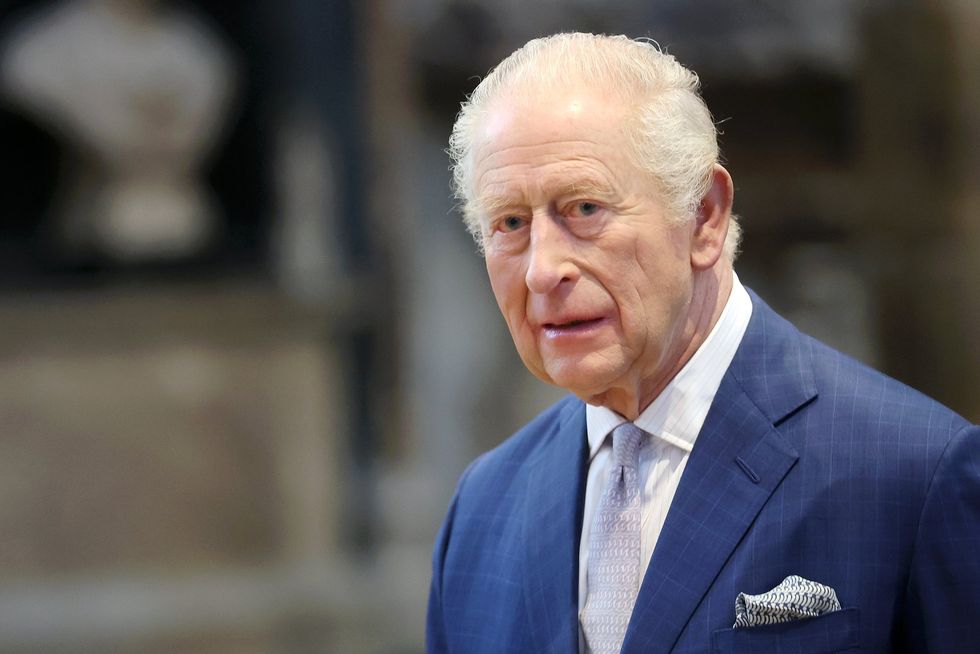
A scaled-down version of the visit was anticipated, but the trip was eventually abandoned after Irish officials raised alarm about the dangers Charles would face without an IRA ceasefire in place.
|GETTY
He also pointed out that the Britannia had recently attracted criticism in Britain due to its running costs.
"The yacht is, I think, controversial in Britain lately because of its cost. Ireland is the last place he should be bringing it," the Irish premier wrote.
On March 19, Mr Murray informed the Taoiseach that he had communicated Irish government concerns to Ambassador Sutherland, including security worries that had not been fully assessed at earlier discussions.
A scaled-down version of the visit was anticipated, but the trip was eventually abandoned after Irish officials raised alarm about the dangers Charles would face without an IRA ceasefire in place.
"The risks now seem to outweigh any benefits," one document concluded.
A separate file from 2003 reveals that Taoiseach Bertie Ahern blocked a request for HMS Ark Royal to berth in Dublin.
A senior civil servant had cautioned that permitting the aircraft carrier to visit would signal a policy shift regarding British military displays on Irish soil, describing the warship as "a symbol of British naval prowess".
Mr Ahern's response was succinct: "my view is 'no'."
Our Standards: The GB News Editorial Charter