




King Charles received 12 standing ovations during his address to the United States Congress, a striking show of support that eclipsed the reception given to his late mother, Queen Elizabeth II, when she became the first British monarch to speak to lawmakers more than three decades ago.
When Queen Elizabeth II addressed a joint session of Congress in 1991, she was met with three standing ovations and repeated applause during a 15-minute speech that blended humour, historical reflection and post-Cold War cooperation.
According to contemporary reporting, the late Queen opened with self-deprecating humour about being obscured by microphones during a White House appearance.
She told lawmakers: “I do hope you can see me today from where you are,” prompting laughter and applause.
Her address went on to emphasise international cooperation in the aftermath of the Gulf War, praising US leadership and the role of British and American forces fighting “side by side in a just cause”.
She also warned against “continental insularity” and stressed the importance of transatlantic unity.
That speech came at a moment of relative global optimism following the end of the Cold War, with the Queen herself noting that “great enterprises seldom end with a tidy and satisfactory flourish” as coalition forces worked to stabilise the Middle East.
By contrast, King Charles’s address to Congress came amid what he described as a far more volatile international environment, with conflict in Europe and the Middle East and heightened political tensions within Western democracies.
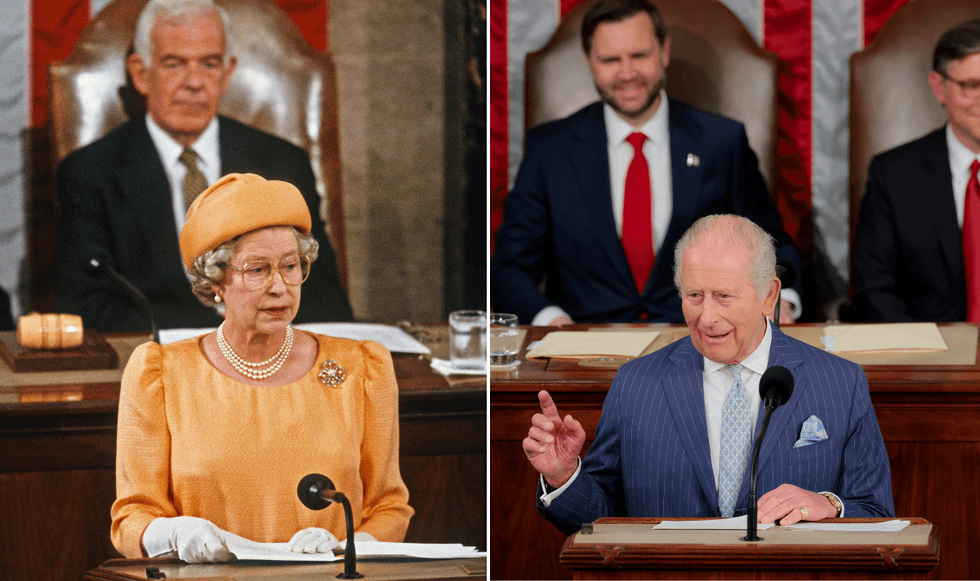
Inside Queen Elizabeth II's Congress speech from 1991 and how it compares with King Charles in 2026
|GETTY
The King used his speech to issue a direct plea for the preservation of the UK-US alliance, calling it “more important today than it has ever been”.
He also explicitly echoed Prime Minister Sir Keir Starmer in urging that the partnership must not abandon “everything that has sustained us for the last eighty years”.
Unlike the Queen’s largely ceremonial tone in 1991, King Charles’s remarks carried a sharper strategic edge, reflecting contemporary concerns over defence spending, Nato cohesion and geopolitical instability.
He also acknowledged the domestic challenges facing both nations, referencing “the ills that, so tragically, exist in both our societies today”.
LATEST ROYAL DEVELOPMENTS
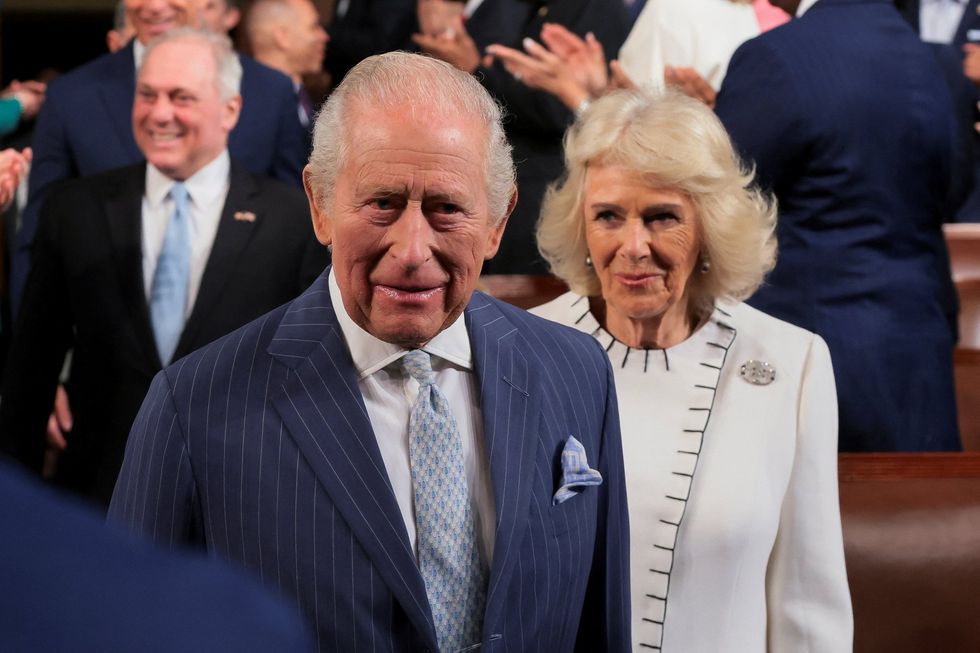
King Charles and Queen Camilla pictured inside the US Congress
|REUTERS
One apparent nod to recent events came when the King referred to “the incident not far from this great building that sought to harm the leadership of your Nation”, an allusion widely understood to refer to the shooting at the White House Correspondents' Dinner last weekend.
Where the Queen’s speech ended with a light-hearted flourish and repeated applause, Charles’s was marked by a more solemn tone, including a reflection that the modern world is “more dangerous than the world to which my late mother spoke in this Chamber in 1991”.
Faith also featured more prominently in Charles’s remarks than in 1991.
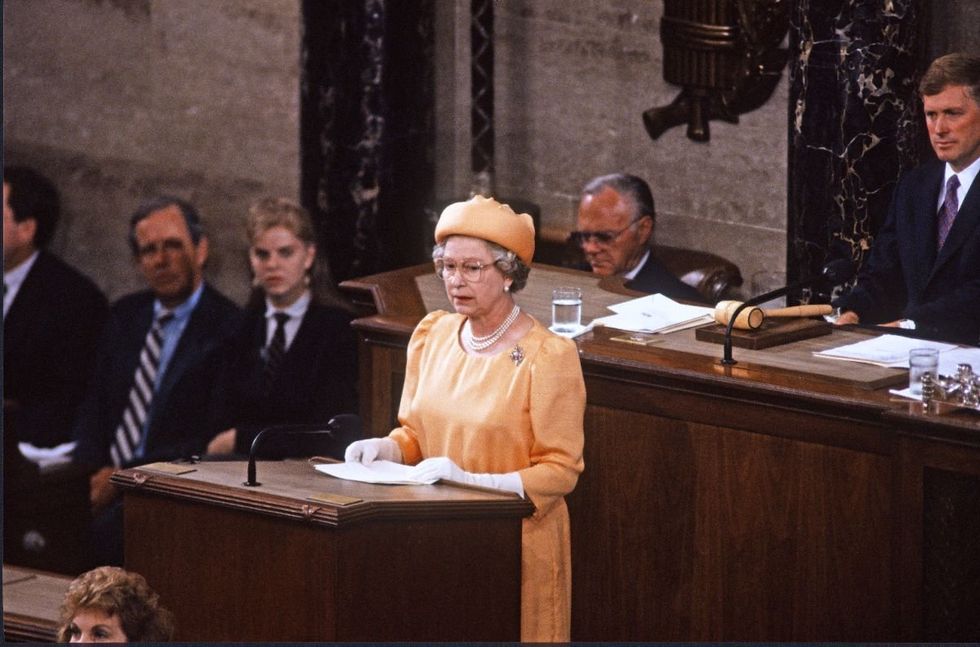
Queen Elizabeth II speaking in Congress back in 1991
|GETTY
The King spoke about his long-standing commitment to interfaith dialogue, describing religion as a “firm anchor and daily inspiration” and emphasising the importance of mutual understanding between different faiths.
While both monarchs highlighted the enduring strength of the transatlantic relationship, the contrast between their speeches reflects a shift in tone from post-Cold War optimism to present-day geopolitical anxiety, with King Charles using the platform not only to celebrate history but to urge political unity in a fractured world.