






The director of America's Warrior Games team has publicly backed Prince Harry by refuting key claims made in Tom Bower's forthcoming royal biography.
David G. Paschal, who also speaks for the US Invictus Games contingent, directly contradicted Mr Bower's suggestion that American wheelchair basketball competitors were not missing limbs.
"Our Team United States 2025 wheelchair basketball competitors actually had both visible and invisible impairments, including several competitors with below the knee amputations or lower limb function loss," Mr Paschal told Newsweek.
The statement represents significant support for the Duke of Sussex, whose charitable work with wounded veterans has faced scrutiny in Mr Bower's book Betrayal, scheduled for UK publication on March 26.
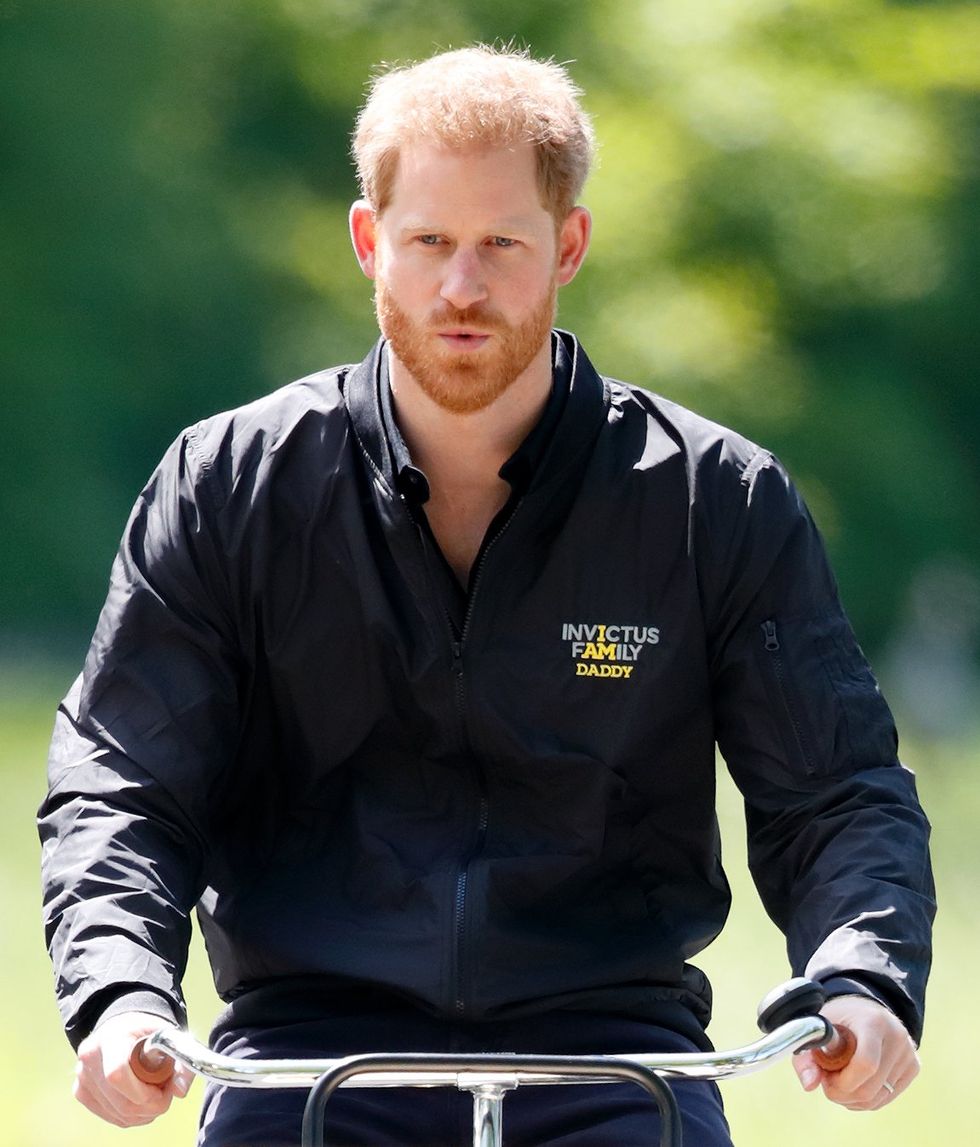
US Invictus chief publicly defends Prince Harry against royal biographer
|GETTY
Mr Paschal further noted that none of the competitors were professional athletes, as strict eligibility rules prohibit their participation.
Representatives for the Duke and Duchess of Sussex issued a robust response to Mr Bower's latest work, dismissing his writing as obsessive rather than factual.
"Mr Bower's commentary has long crossed the line from criticism into fixation," the spokesman told GB News.
The statement highlighted Mr Bower's previous public remarks, including his assertion that "the monarchy in fact depends on actually obliterating the Sussexes from our state of life."
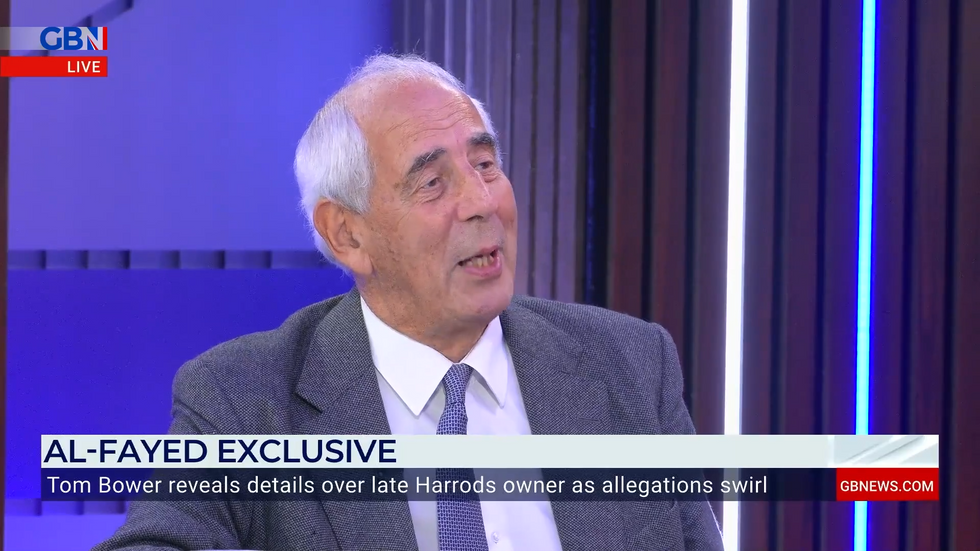 Tom Bower pictured during a previous appearance on GB News | GB NEWS
Harry and Meghan's team characterised the author as someone who constructs "elaborate theories about people he does not know and has never met."
The spokesman concluded with a pointed assessment of the biography's value: "Those interested in facts will look elsewhere; those seeking deranged conspiracy and melodrama know exactly where to find him."
The dispute marks the latest clash between the Sussexes and Mr Bower, whose previous book about the couple also sparked considerable controversy.
Mr Bower's contentious passage described a match between Nigerian and American wheelchair basketball teams at the Invictus Games.
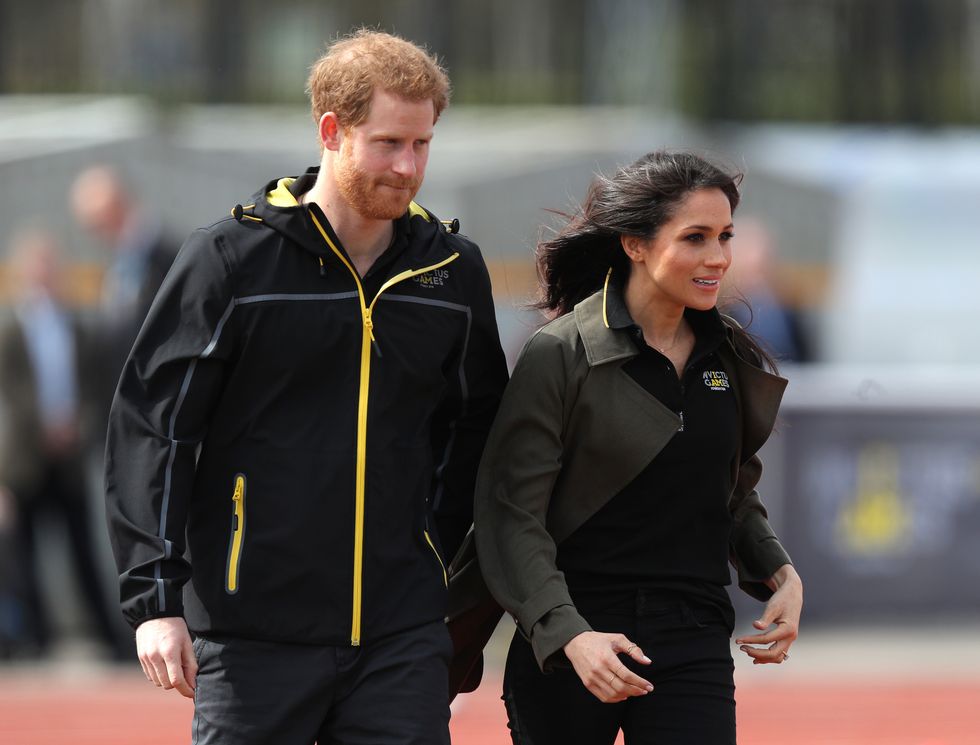 The Invictus Games are coming to the UK in 2027 | PA
The author wrote that while two Nigerian players had lost legs, "none of the Americans were limbless" and all were "apparently suffering from post-traumatic stress disorder."
He further claimed the American competitors "wheeled themselves off the court into a secluded area" before getting up and walking away, adding that "none of them appeared to be physically injured."
These assertions stand in stark contrast to Mr Paschal's official statement confirming multiple team members had below-the-knee amputations or loss of lower limb function.
The US team director also emphasised that the Invictus Games are specifically designed to allow service members with both visible and invisible injuries to compete equally.
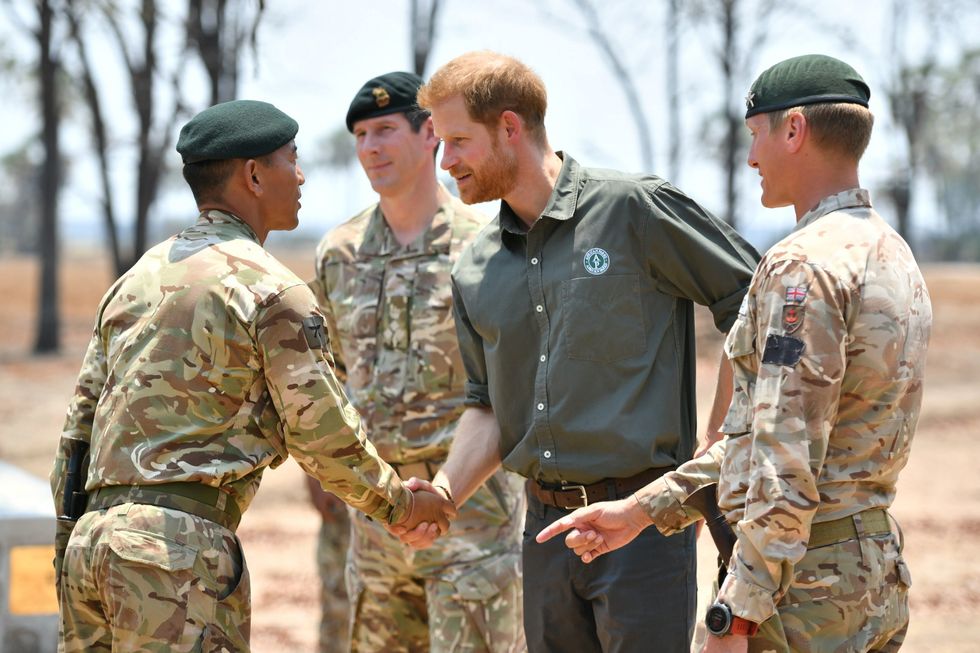
Harry created the Invictus Games for wounded veterans
|GETTY
The Invictus Games Foundation issued its own condemnation of the coverage, expressing disappointment that The Times had given prominence to what it described as agenda-driven commentary.
"Attempts to question the legitimacy of competitors or diminish the experiences of those living with both physical injuries and invisible wounds such as PTSD are deeply disrespectful to the men and women the Games were created for," the Foundation stated.
The organisation stressed its core mission of supporting recovery and rehabilitation for wounded, injured and sick military personnel and veterans worldwide.
Mr Paschal's statement also defended the inclusion of competitors with PTSD, noting that "invisible wounds can be just as debilitating as visible ones."
He added that adaptive sporting events like the Invictus Games "save lives through community and purpose."