









Prince Harry launched a scathing attack on technology giants during a keynote address at the IAPP Global Summit 2026 in Washington DC on Tuesday evening.
Speaking to an audience of 4,000 privacy professionals, the Duke of Sussex drew on his personal battles with media intrusion to condemn what he described as normalised exploitation across the tech sector.
"You may know that I've spent the past seven years in litigation against three media organisations in the UK over their systemic and unlawful invasions of privacy, as well as the cover-up of it, dating back to the early 2000's," he told delegates.
Harry characterised privacy as "a foundational issue" that supports trust, safety and societal stability.
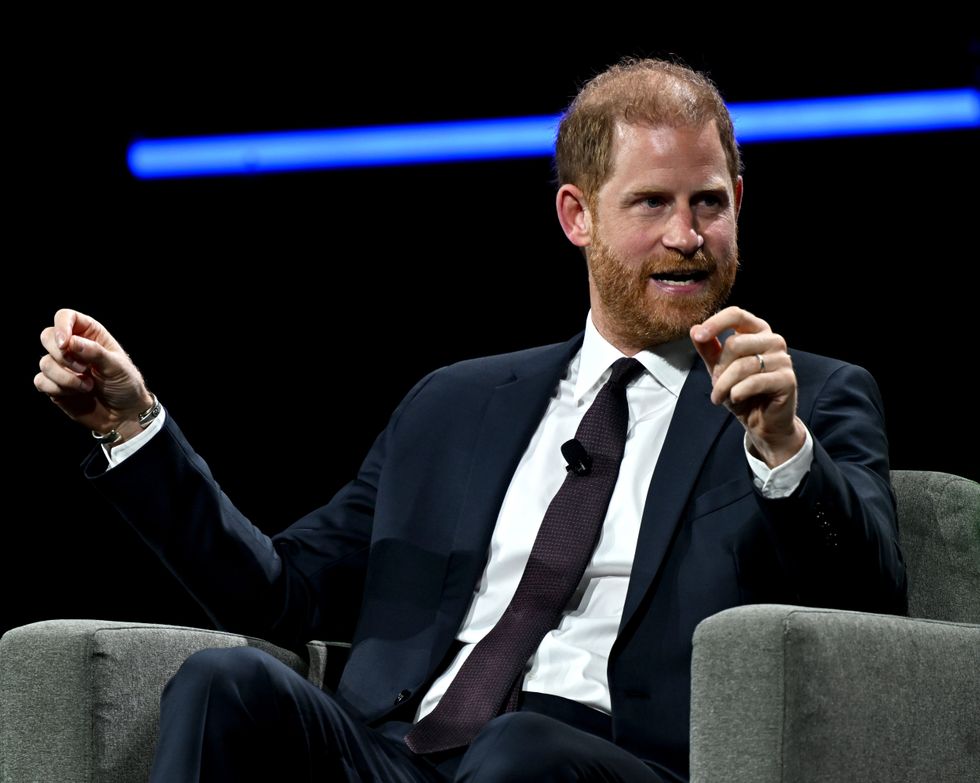
Prince Harry launched a scathing attack on technology giants during a keynote address at the IAPP Global Summit 2026 in Washington DC on Tuesday evening.
|GETTY
He argued that violations of personal data have evolved into standard commercial practices, particularly within social media and artificial intelligence industries.
The Duke celebrated what he called landmark legal victories against major technology companies, declaring "about b****y time" after juries ruled against Meta and YouTube in separate accountability cases decided last week.
"A jury confirmed what parents have felt and experts have said all along - the systems driving our social media platforms have been built to exploit, not protect - and the people at the heart of it have always known it," Harry said.
He revealed that he and his wife Meghan had attended court proceedings in Los Angeles, spending time with families pursuing the case.
Harry described these rulings as delivering long-awaited truth and accountability, suggesting the stories of affected families would likely feature in future history books.
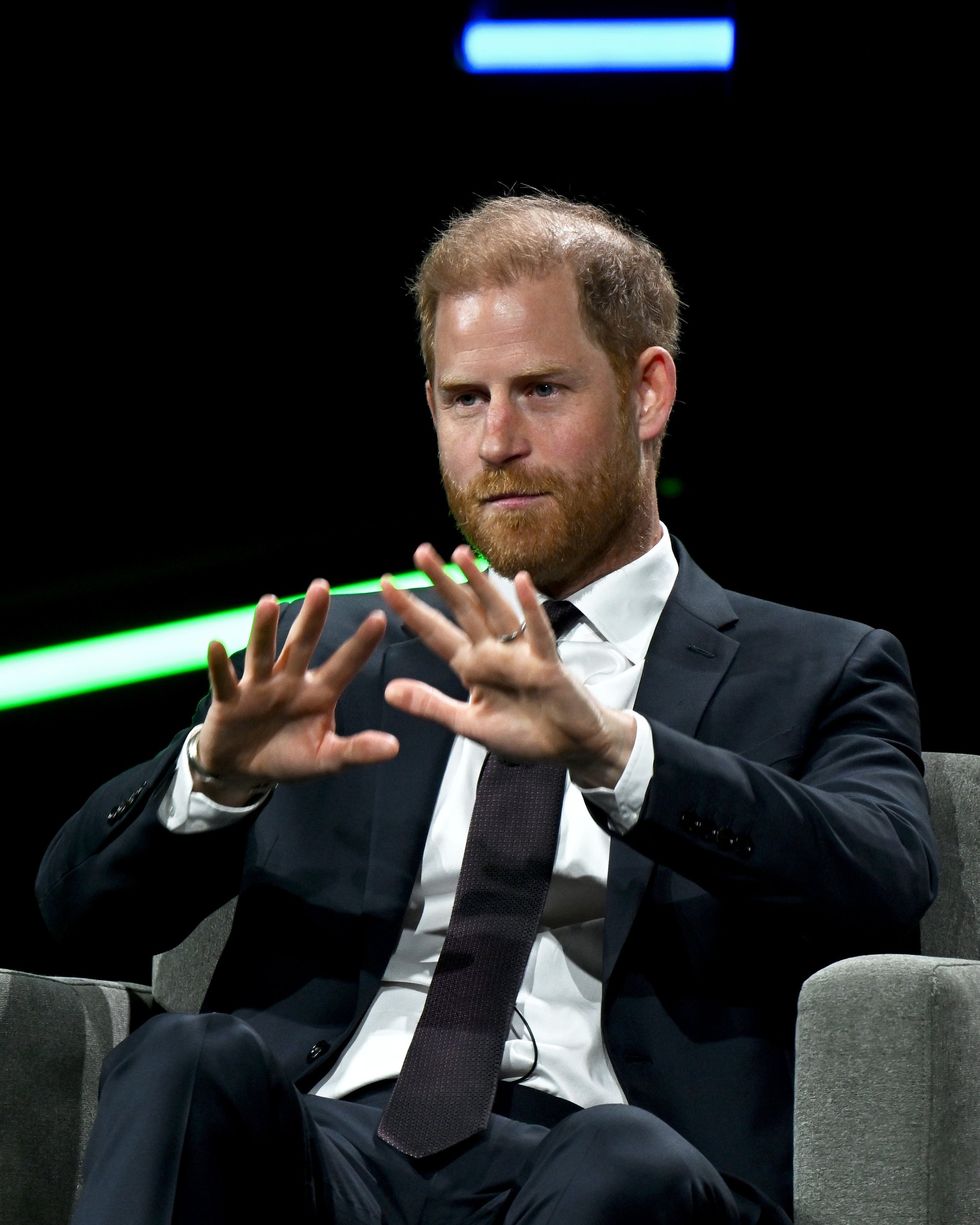
Harry characterised privacy as "a foundational issue" that supports trust, safety and societal stability.
|GETTY
The Duke detailed harrowing accounts of how platform algorithms tracked children's behaviour so precisely that they were served content targeting their specific vulnerabilities.
He said this algorithmic targeting had resulted in eating disorders, drug overdoses, bullying, dangerous viral challenges and, in numerous instances, young people taking their own lives.
Harry criticised the tendency to blame parents or frame the issue as a mental health problem, arguing this deliberately deflects responsibility from systems engineered to capture attention.
"We're told it's a lack of discipline. That it's a parenting failure or a mental health problem. That users should simply 'opt out'," he said.
Some bereaved parents had waited more than five years to access their deceased child's phone and applications due to platform privacy rules, he noted.
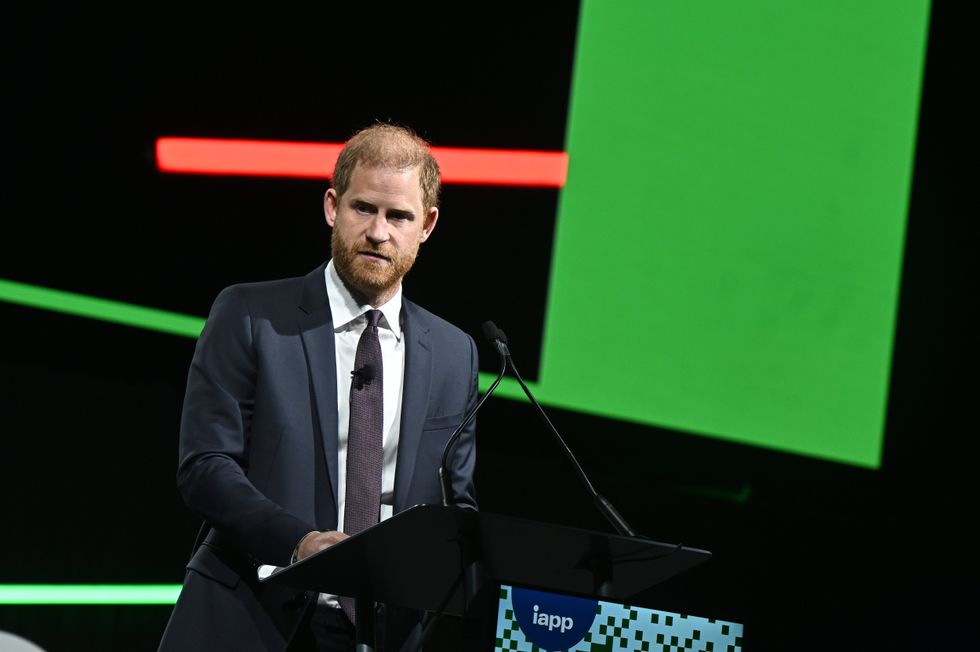
Harry urged the assembled privacy experts to ensure safeguards are embedded within artificial intelligence systems from their inception rather than added retrospectively.
|GETTY
These families only discovered the harmful content pushed to their children after searching for answers and initially blaming themselves.
Harry urged the assembled privacy experts to ensure safeguards are embedded within artificial intelligence systems from their inception rather than added retrospectively.
"For the last twenty years, we built digital systems first and governed them later. AI gives us a rare opportunity to reverse that sequence," he stated.
The Duke argued that accountability, privacy and safety must form part of the fundamental architecture before any damage occurs.

Harry acknowledged the personal toll of his advocacy, admitting his battles against powerful institutions had come at significant cost to himself, his wife and their children.
|GETTY
He dismissed industry rhetoric suggesting innovation requires freedom from constraints, pointing to aviation, medicine and finance as sectors that thrived precisely because trust was engineered into their foundations.
"Safety didn't limit innovation. It made it scalable," Harry said.
Harry acknowledged the personal toll of his advocacy, admitting his battles against powerful institutions had come at significant cost to himself, his wife and their children.
"As you can perhaps tell, I have nothing to gain from taking on powerful institutions. In many ways, it's come at a personal and reputational cost for me, my wife, and our kids," he said.
"The fact that humans are the architects of this technology means that humans are in the position to design a better future and world where the right to privacy is not just an ideal, but the norm," Harry concluded.