



King Charles and Princess Kate's ancestors worked with each other to try to find a cure for cancer some 100 years ago.
Discovered by Australian historian Michael Reed, the pair were key in setting up the British Empire Cancer Campaign's Yorkshire Council in 1925.
The monarch and his daughter-in-law have undergone treatment for the disease over the past couple of years, with the princess now in remission after chemotherapy, and the King scaling back his treatment in the new year.
The historian discovered that the King's great uncle, the sixth Earl of Harewood, known at the time as Viscount [Henry] Lascelles, and the Princess's great-great-great uncle, Sir Charles Lupton, were both founding members of the council, serving as its first president and first vice-president respectively.
 A historian discovered that King Charles and Princess Kate's ancestors worked together | PA
Charles's great aunt, Princess Mary, then became the charity's president until her death in 1965.
Their contributions have been celebrated on the 100th anniversary of the campaign, marked with a booklet called "a century of saving lives".
A ball was also held at Castle Howard, with Mr Reed discovering the information on Castle Howard online.
The historian recognised the pair's names and pieced the connection together.
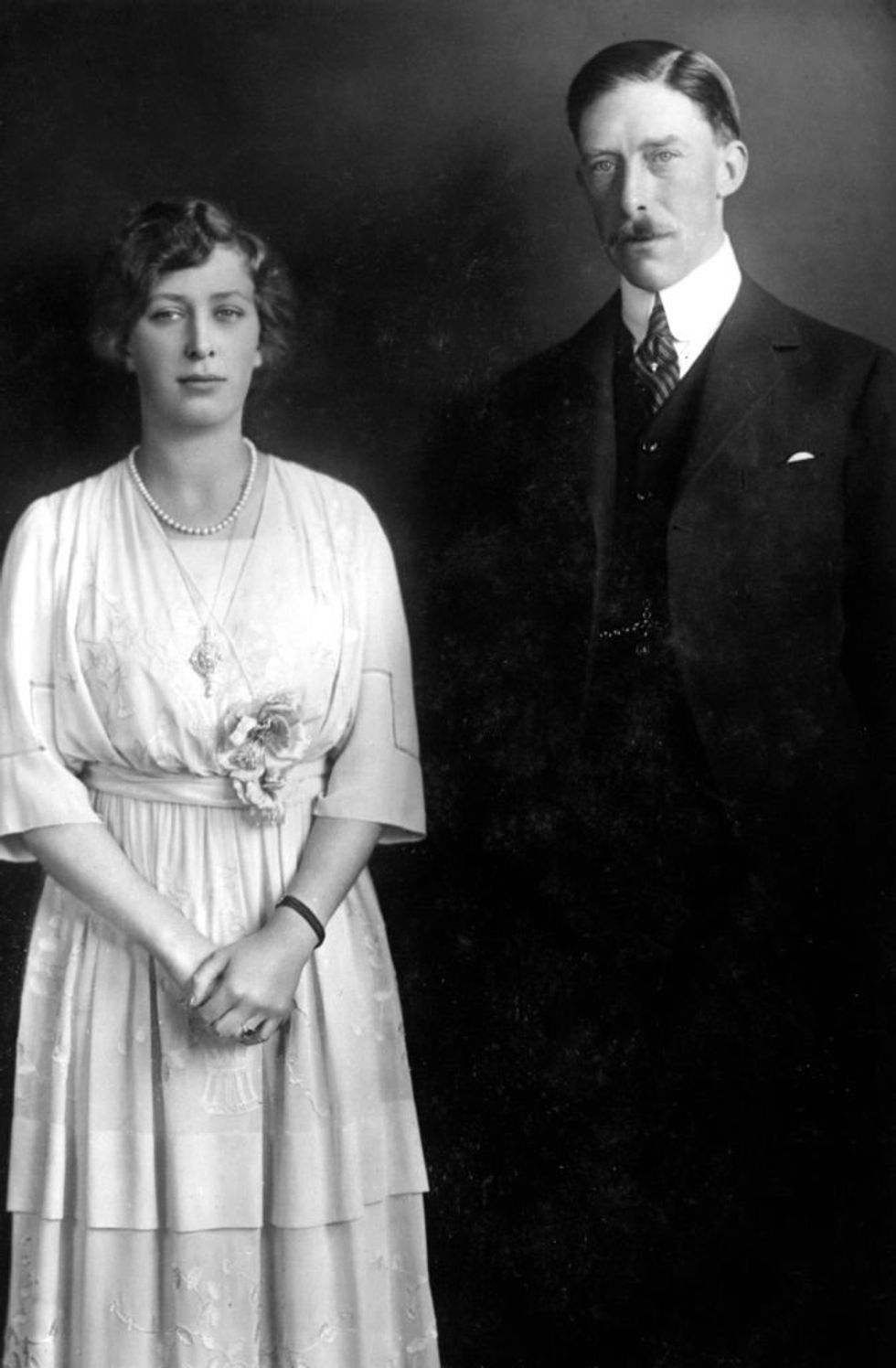
The King's great uncle, the sixth Earl of Harewood, was part of the team
|GETTY
LATEST DEVELOPMENTS
"I felt it was very poignant that although the Princess and King Charles's ancestors were both aristocratic men, they chose to get their hands dirty doing really tough campaigning for a disease which, in 1925, perplexed most leading scientists who therefore had little interest in finding a solution.
"I was moved to learn that Sir Charles had considered himself at age 70 too old to be Viscount Lascelles's first vice-president, but still agreed to lead this charity because he felt so strongly that a cure for cancer was desperately needed," he told The Telegraph.
He continued: "The King and the Princess have known for many years that members of their own families have worked together on 'safe' charities, but I doubt they would have been aware that the chief charitable interest of two of their ancestors was campaigning to find a cure for cancer."
Mr Reed was taken aback that the Yorkshire Cancer Council was not a typical charity but a pioneering organisation at a time when the disease was rarely discussed as it is now.
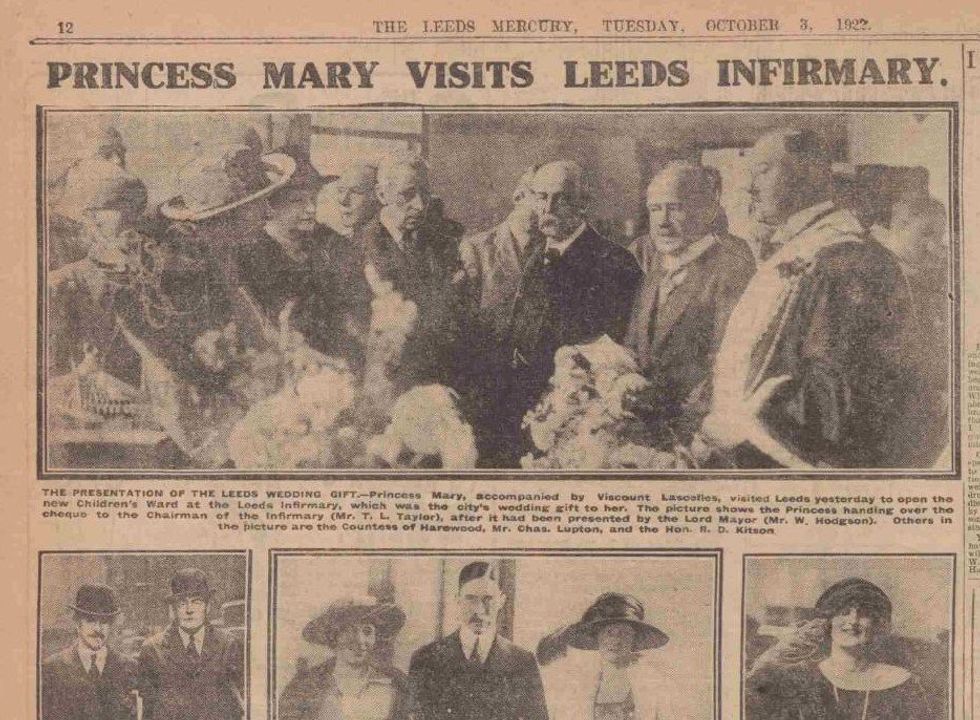
A newspaper excerpt from 1922 features Viscount Lascelles and Mr Lupton
|WIKIMEDIA COMMONS
Mr Reed, a lecturer at Ilim College in Victoria, Australia, added: "I think this new knowledge of both their families having an historically strong connection to cancer research will add to both the King and Princess's determination to continue fighting the disease with the dignity that many throughout the world have been so impressed to see."
The King announced earlier this month that he will be reducing his cancer treatment as he discussed a topic that "troubles [him] deeply".
In a video, released as part of Channel 4 and Cancer Research UK's joint initiative Stand Up to Cancer UK, the King asked viewers during the festive season to hold in their "hearts, and your minds and prayers" the hundreds of thousands of people diagnosed with cancer each year, as well as "the millions more who love and care for them".
Drawing on his own experience, the monarch said: "I know from my own experience that a cancer diagnosis can feel overwhelming.
"Yet I also know that early detection is the key that can transform treatment journeys, giving invaluable time to medical teams - and, to their patients, the precious gift of hope."
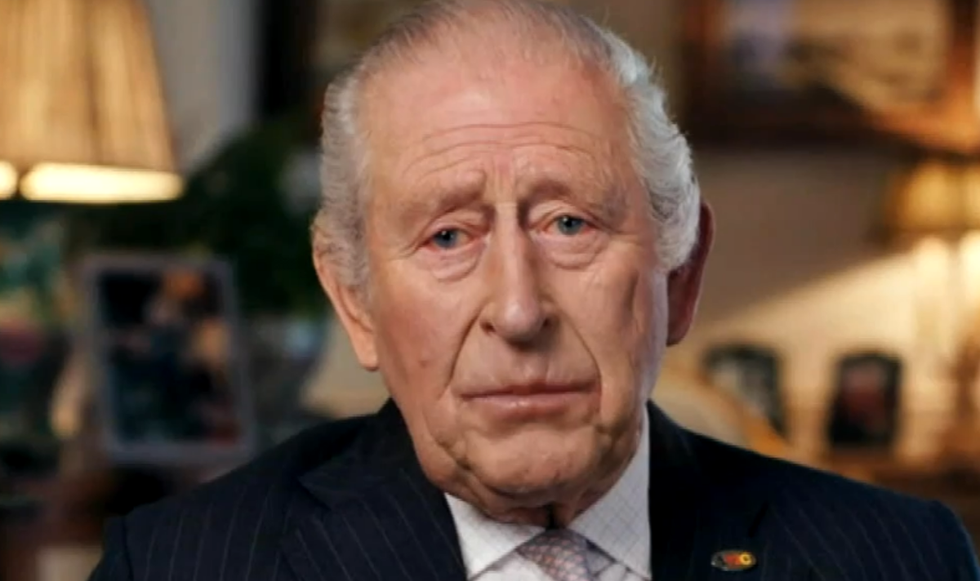
The King shared that his cancer treatment will be reduced in the new year
| CHANNEL 4 / BANGO STUDIOSHe told viewers that those gifts were ones "we can all help deliver", before praising what he described as the "community of care" surrounding cancer patients.
The King said he had been "profoundly moved" by the specialists, nurses, researchers and volunteers who "work tirelessly to save and improve lives".
However, he said he had learned something during his own cancer journey that caused him deep concern: "I have also learned something that troubles me deeply - at least nine million people in our country are not up to date with the cancer screenings available to them.
"That is at least nine million opportunities for early diagnosis being missed."
The King said the consequences of delayed diagnosis were clear, adding: "The statistics speak with stark clarity."
In the first 48 hours after his message, some 100,000 people visited Cancer Research UK's new screening checker.
Our Standards: The GB News Editorial Charter