






King Charles received an education in innovative wildlife conservation methods during a visit to the Animal and Plant Health Agency's Biotech Campus in York on Tuesday.
The monarch, a well-known advocate for Britain's endangered native red squirrel, toured facilities where scientists are developing novel approaches to curb grey squirrel numbers.
Researchers demonstrated how hazelnut paste infused with contraceptives is being deployed through specially designed weighted hoppers that only the heavier grey squirrels can access.
The invasive grey species, brought to British gardens as decorative additions during the 19th century, has pushed red squirrels towards extinction across much of the country by outcompeting them for resources and transmitting disease.
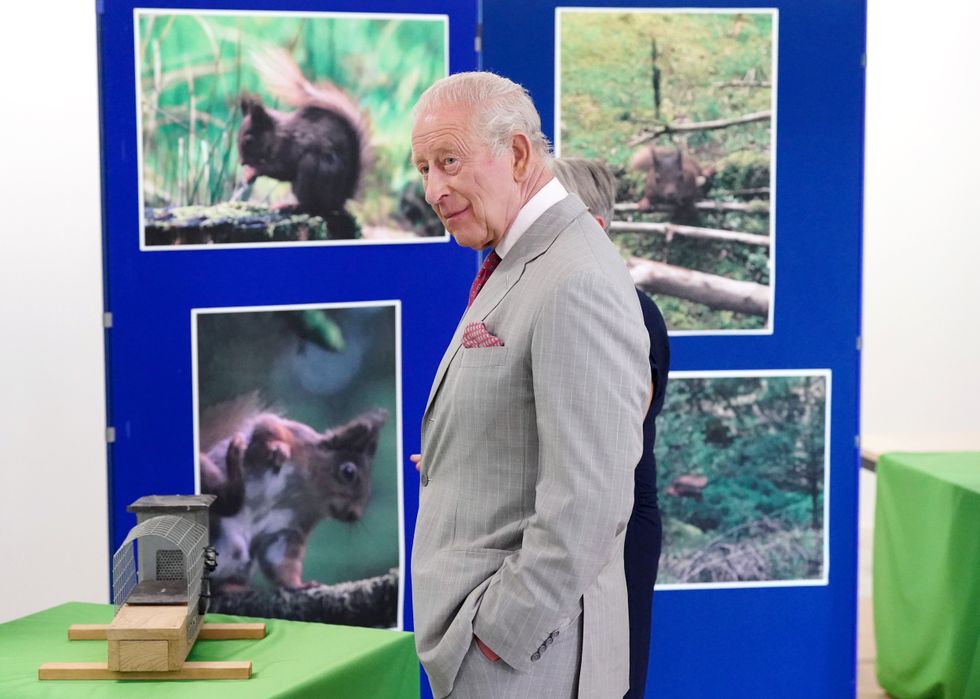
King Charles is ‘very interested’ in the grey squirrel contraceptive programme
|GETTY
The King was “very interested” in the contraceptive delivery system, according to agency staff.
Dr Julie Lane, who heads the National Wildlife Management Centre at the agency, praised the monarch's long-standing commitment to the cause.
"You've been championing our red squirrels for decades now... Without you, this work would not be happening at all," she told him during the visit.
Speaking afterwards, Dr Lane noted that combining contraceptive methods with traditional control measures proves far more effective at reducing grey squirrel populations.
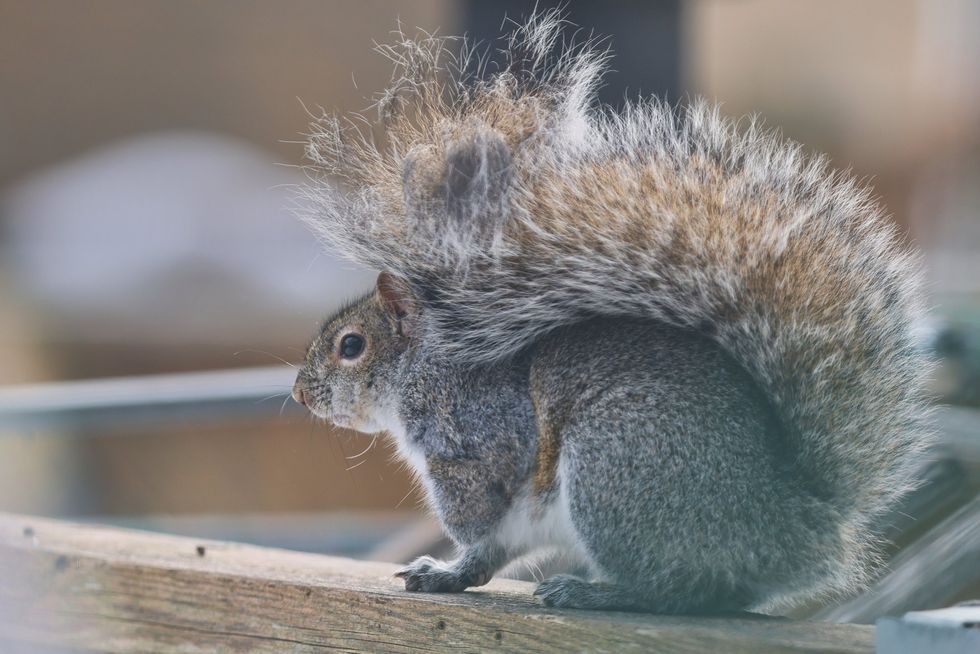
Grey squirrels arrived in the UK in the 19th century
|GETTY
The scientist also highlighted the broader environmental stakes, describing grey squirrels as the nation's most significant threat to biodiversity due to the extensive damage they inflict on trees.
"So, it's not just about bringing the red squirrels back, it's the whole of nature that the grey squirrels affect," she explained.
As patron of the Red Squirrel Survival Trust, the King has a deeply personal attachment to the species.
In 2021, he wrote fondly of the animals: "These charming and intelligent creatures never fail to delight. I take enormous pleasure in having them around and in the house when I am at home in Scotland."
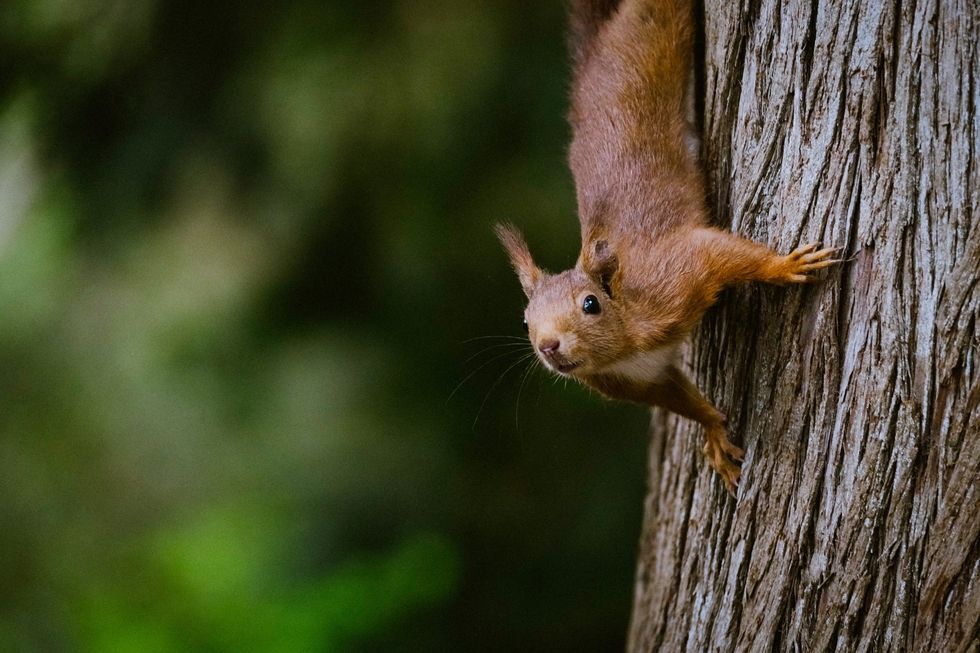
As patron of the Red Squirrel Survival Trust, the King has a deeply personal attachment to the species
|GETTY
He added: "They are such inquisitive and delightful characters; they have even been known to hunt down a few of their favourite nuts left out in an unguarded jacket pocket!"
During Tuesday's engagement, temperatures approached 30C, prompting the King to don a light grey pinstriped suit with a pink shirt and darker pink tie as he walked through enclosures housing dozens of squirrels bred for the research programme.
The heatwave conditions meant the animals remained sheltered in their boxes throughout his tour.
Later in the day, the King made his way to the Sir Robert Ogden Macmillan Cancer Centre, where he spent time with patients and medical staff.
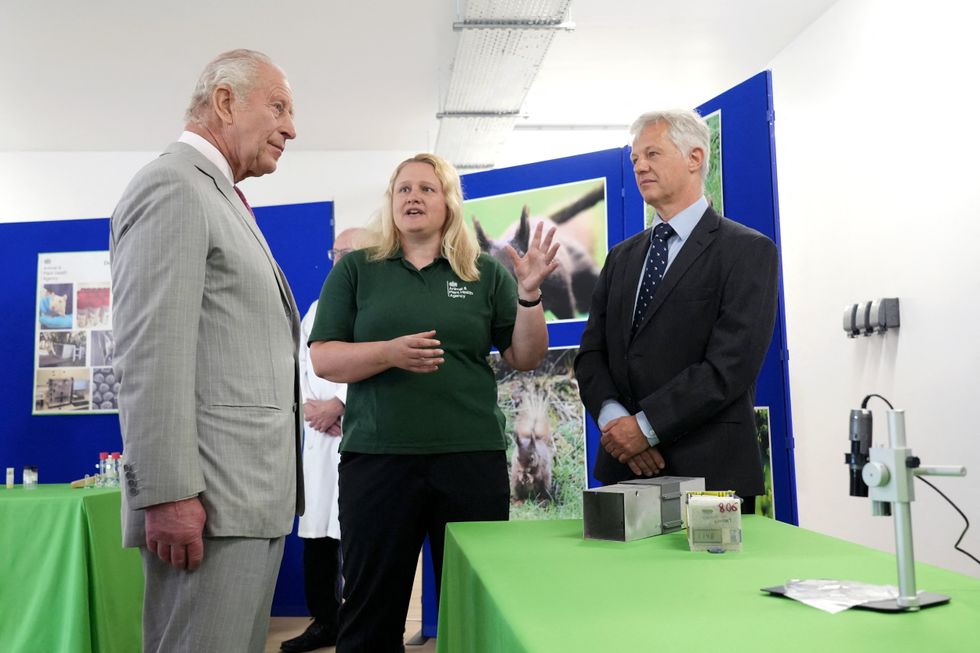
Dr Lane noted that combining contraceptive methods with traditional control measures proves far more effective at reducing grey squirrel populations
|GETTY
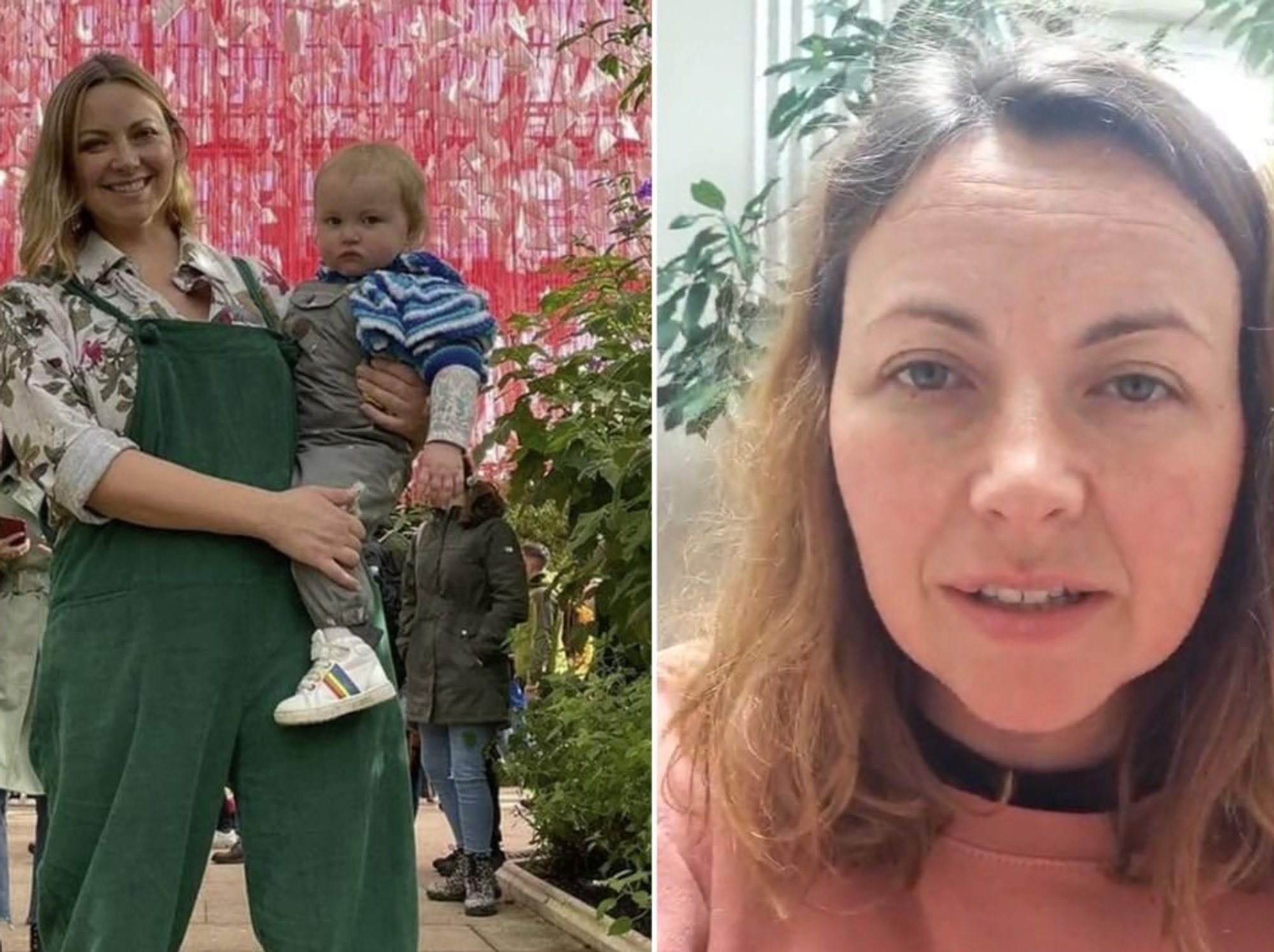
Lou Rhodes, a 49-year-old living with stage four secondary breast cancer who helped shape the centre's design as a patient representative, described an immediate connection with the monarch.
"He's got cancer, I've got cancer, and straight away he sort of looked in my eyes, so you've got that bond, I suppose," she said. "And I think he gets it, he understands, being a patient."
Accompanied by her mother, Diana Ellison, Ms Rhodes shared that she had lost her father to cancer in 2024. "It's everywhere," the King responded.
The monarch, who serves as royal patron of Macmillan Cancer Support, learned about the £2.4million redevelopment that will assist thousands of regional cancer patients annually.