





The Iranian Royal Family has lived in exile ever since the 1979 revolution that ended their rule. The last monarch, Mohammad Reza Shah Pahlavi, died on July 27, 1980 in Cairo at the age of 60.
After a long cancer battle, the late Iranian Shah was given a state funeral by Egyptian President Anwar Sadat.
No members of his immediate family were killed during the revolution, as they managed to leave the country before the final collapse of the monarchy. However, one close relative was later assassinated in exile, and many of the Shah's top officials were executed shortly after the takeover.
GB News has taken a look at the full list of surviving Iranian royals living in exile 47 years after the revolution.
TRENDING
Stories
Videos
Your Say
The Crown Prince
Crown Prince Reza Pahlavi, the eldest son of the late Shah and head of the House of Pahlavi, currently lives in Washington, DC.
Born in Tehran, Mr Pahlavi was officially named Crown Prince of Iran at the time of his father's Coronation in 1967. He is a prominent political activist who frequently advocates for democratic reform and regime change in Iran.
In 1986, Mr Pahlavi tied the knot with Yasmine Pahlavi, a lawyer, and they have three daughters, Noor, Iman, and Farah.
A Shia Muslim, Mr Pahlavi frequently calls for a separation of religion and state and advocates for a secular, democratic future for Iran.
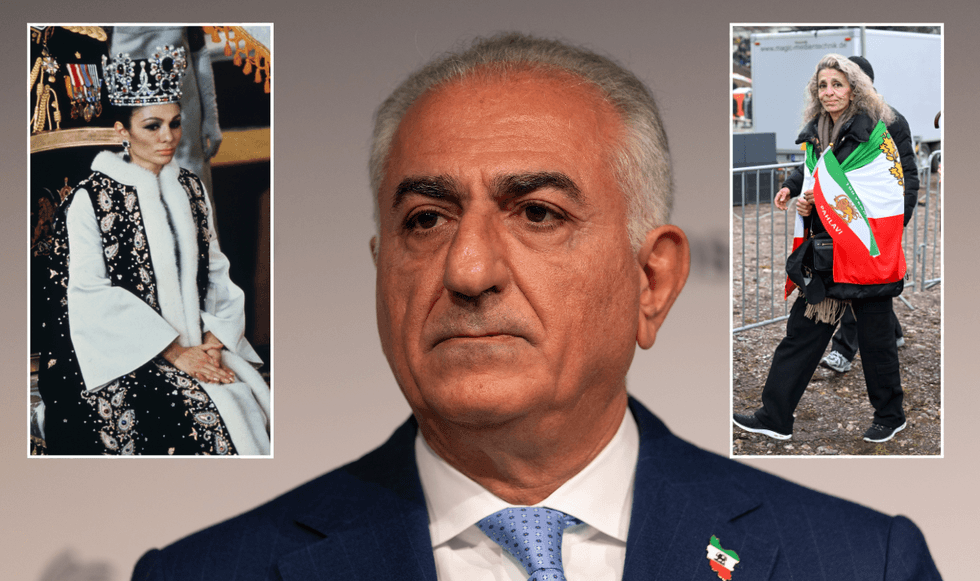
Full list of surviving Iranian royals who continue to live in exile after 1979 revolution
|GETTY
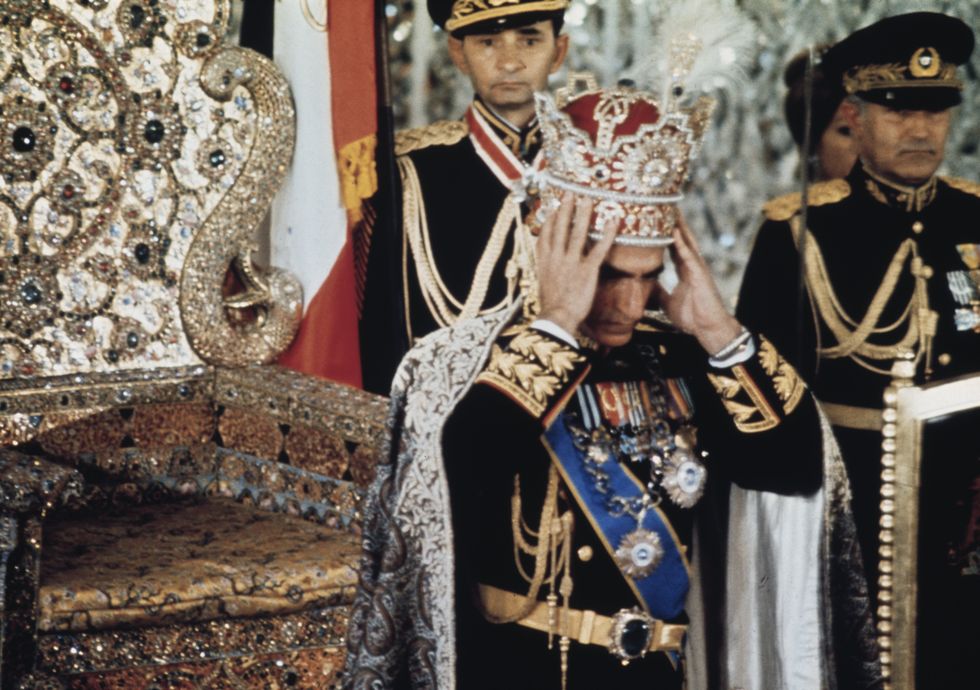
The late Shah, Mohammad Reza Shah Pahlavi, pictured at his Coronation in 1967
|GETTY
The 65-year-old strongly supports the joint US-Israeli military strikes against Iran, titled Operation Epic Fury.
He characterised the operation as a "humanitarian intervention" intended to liberate the Iranian people from the current regime.
In a video address, he urged Iranian security forces to defect and side with the people, claiming that the "Islamic Republic is collapsing". He also disclosed the "Iran Prosperity Project," a plan for a democratic transition.
While supporting the strikes, Mr Pahlavi publicly asked US President Donald Trump to exercise "maximum caution" to preserve the lives of Iranian civilians.
LATEST ROYAL DEVELOPMENTS
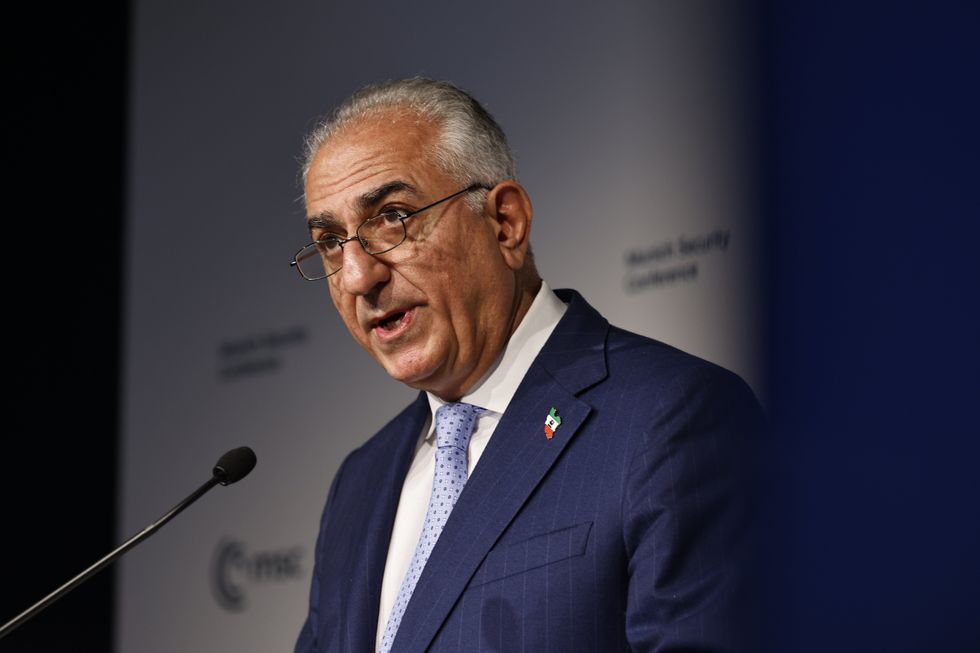
Reza Pahlavi was made the Crown Prince of Iran at the time of his father's Coronation
|GETTY
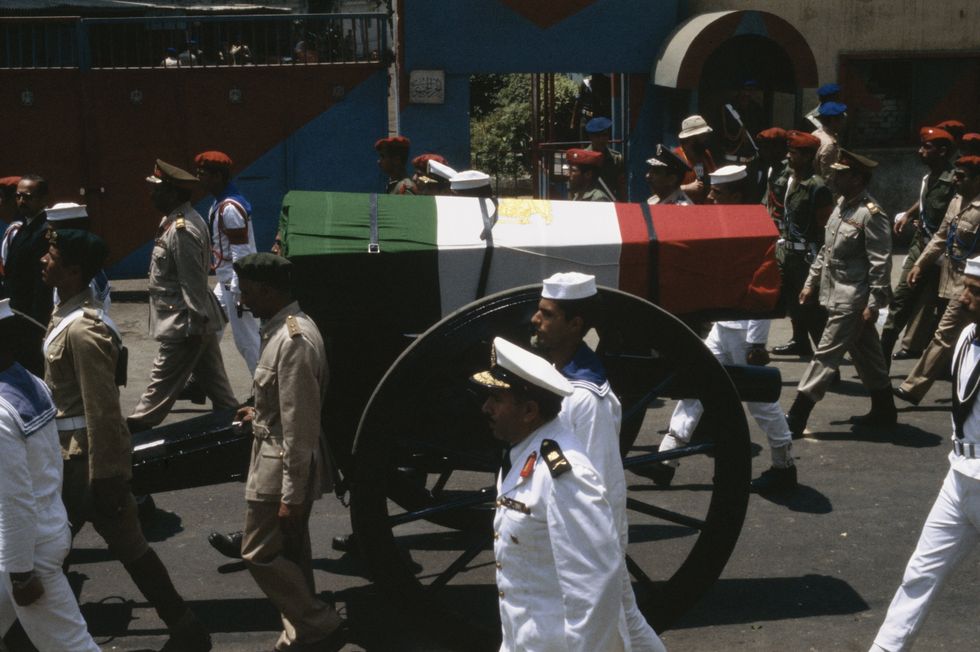
After a long cancer battle, the late Iranian Shah was given a state funeral by Egyptian President Anwar Sadat
|GETTY
Last Queen of Iran
Empress Farah Pahlavi, 87, the third wife and widow of Mohammad Reza Shah, splits her time between Paris, France, and Washington, DC. She remains active in supporting Iranian art and culture.
Mrs Pahlavi has not yet issued a specific statement regarding Operation Epic Fury. However, she has consistently advocated for international solidarity with the Iranian people's quest for freedom.
Other surviving family members
Princess Farahnaz Pahlavi, 62, the eldest daughter of the Shah, lives a very private life in New York City. In addition, Princess Shahnaz Pahlavi, 85, the Shah's eldest daughter from his first marriage, lives in Switzerland and holds Swiss citizenship.
Two of the Shah's children sadly died while in exile; Princess Leila died in London in 2001, and Prince Ali-Reza died in Boston in 2011.
Support for the Iranian monarchy
By early 1979, support for the Pahlavi monarchy had largely collapsed among the general public due to perceptions of corruption, autocracy, and foreign dependence.
While the Shah had a base among the military and some upper-class elites, they were overwhelmed by the strikes and street protests. Once the military declared neutrality on February 11, 1979, the monarchy had no institutional support left to maintain power.
In 2026, public opinion in Iran regarding a return to the monarchy remains deeply divided and complex. A 2025 survey by GAMAAN found that approximately 21 per cent of Iranians prefer a monarchy as a future system, compared to 26 per cent who favour a secular republic. An additional five per cent support a federal monarchy.
Mr Pahlavi has advocated for a national referendum to allow Iranians to choose between a republic and a monarchy if the current government is ousted.
Despite this, the Iranian Government classifies support for the Pahlavi dynasty as a criminal offence.
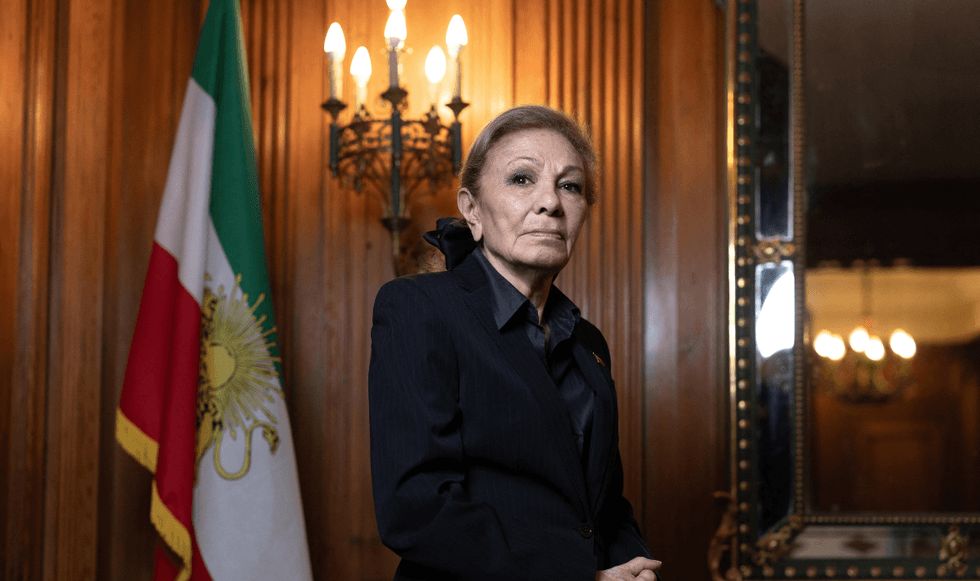
Empress Farah Pahlavi, currently 87, splits her time between Paris, France, and Washington, DC
|GETTY
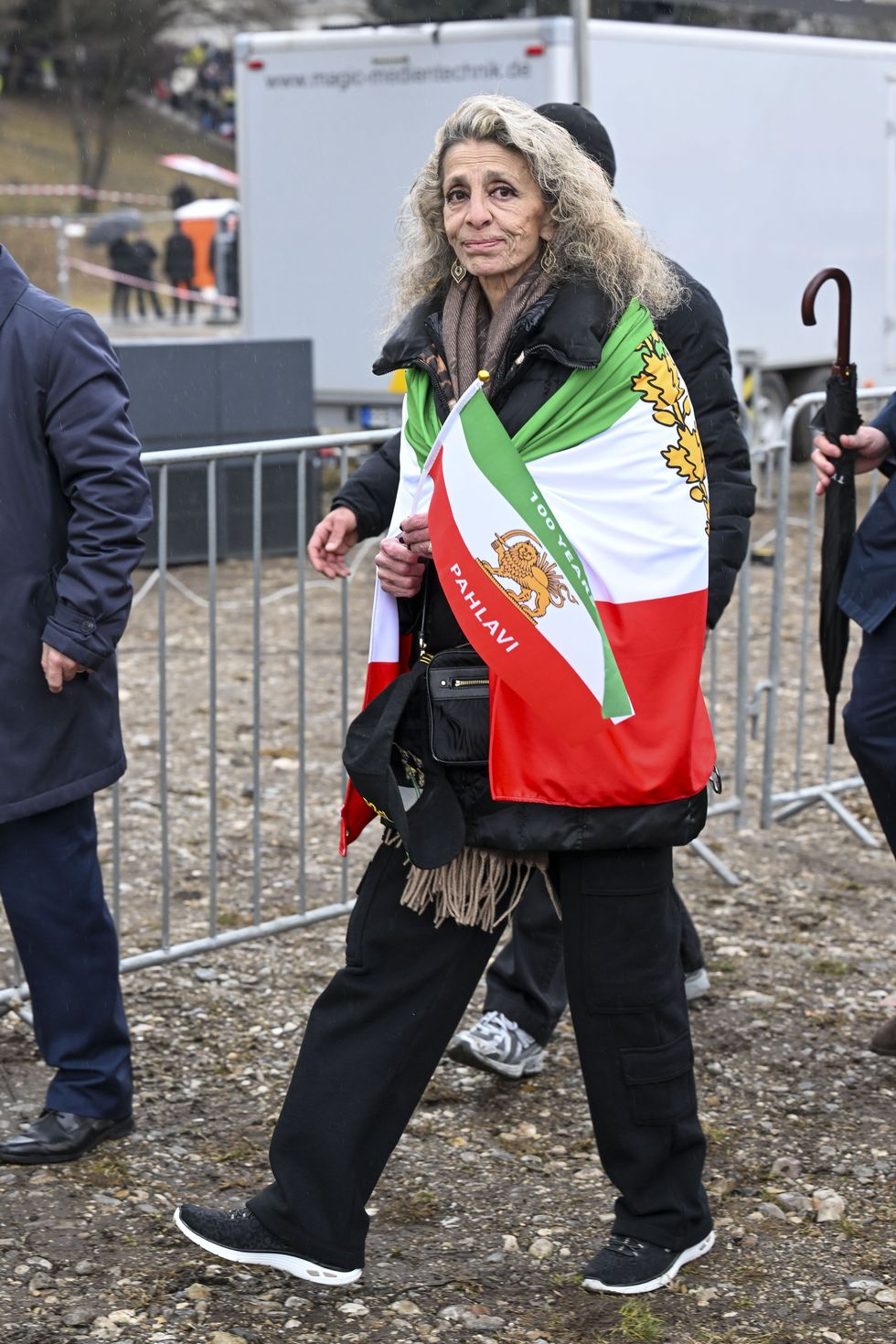
Princess Farahnaz Pahlavi, 62, the eldest daughter of the Shah, protesting in Germany earlier this month
|GETTY
Pahlavi dynasty and House of Windsor
The Iranian royals and the British Royal Family met several times, with the late Mohammad Reza Shah Pahlavi making an official state visit to the UK in 1959. He was hosted by Queen Elizabeth II at Buckingham Palace, where he was notably appointed an honorary Marshal of the Royal Air Force.
In addition, the late Queen and Prince Philip made a 10-day state visit to Iran in 1961, touring Tehran, Isfahan, and the ancient ruins of Persepolis.
The late Duke of Edinburgh and Princess Anne also attended the 2,500-year celebration of the Persian Empire in 1971. The Queen Mother later made a diplomatic visit in 1975 to thank the Shah for a substantial loan to Britain.
After the 1979 revolution, the British Government famously refused to grant the Shah asylum, fearing for the safety of UK diplomats in Tehran. Despite this, Empress Farah has stated that Queen Elizabeth II sent a supportive personal letter to the Shah while he was in Egyptian exile.
In 2004, King Charles became the only British royal to visit Iran after the revolution as part of a humanitarian mission following the Bam earthquake.