








Under the Government’s new climate plans, MPs have predicted net zero is set to “impact our daily lives more than ever".
The ultimate goal is well-known – a decarbonised economy by 2050, powered by an abundance of clean, cheap energy.
But arriving there is going to require a combined effort from every corner of the country.
Energy Secretary Ed Miliband announced today that the Government has signed off on the Seventh Carbon Budget – a legal target to cut the UK’s planet-heating emissions by 87 per cent by 2040.
The budget covers 2038 – 2042 and marks a new phase in our decarbonisation strategy.
Until now, the drive to transition to green power has largely focused on centrally controlled infrastructure.
Enormous efforts have gone into decarbonising the grid, aiming to meet the Government’s target of 95 per cent low-carbon electricity by 2030.
Yet all of this effort was just the start – the “low-hanging fruit”, as Parliament’s Environmental Audit Committee describes it.
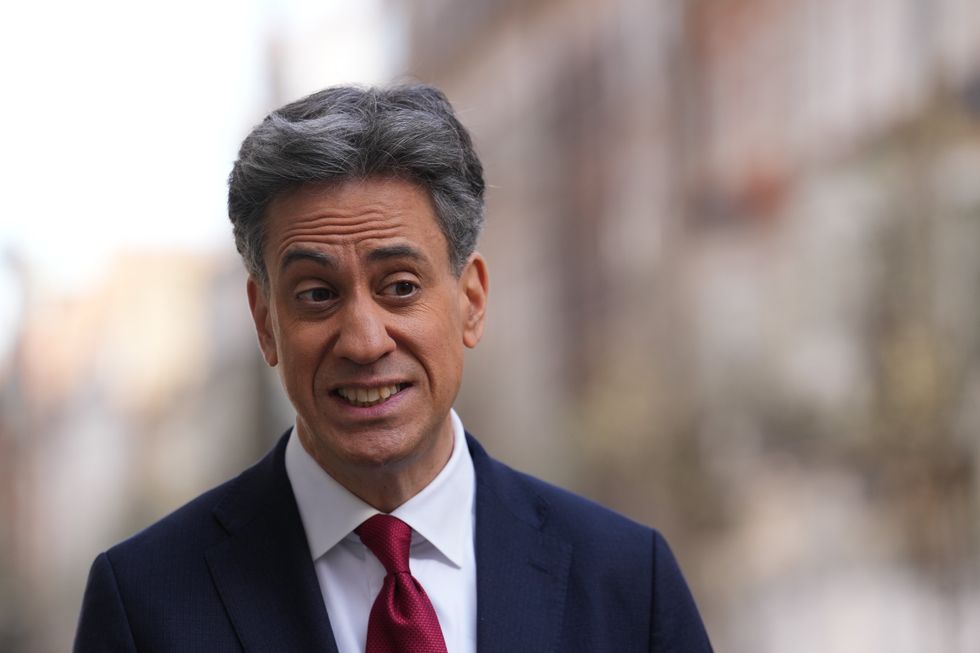
Ed Miliband's net zero measures will leave an impact
|PA
This is because, while green electricity is crucial for the UK’s climate ambitions, 75 per cent of our energy still comes from fossil fuels.
Decarbonising the grid does little to address that. Take heating, for example. The majority of the UK’s 28 miillion homes rely on gas boilers.
Heating accounts for a fifth of our greenhouse gases, and alternative methods will need to be adopted.
Then there’s transport, which makes up another third. While the move to electric vehicles gathers pace, with one in four new cars zero-emission, it is not going fast enough for the Government’s liking.
The sale of new diesel and petrol cars and vans will be banned by 2030. Aviation and shipping present further hurdles.
LATEST DEVELOPMENTS
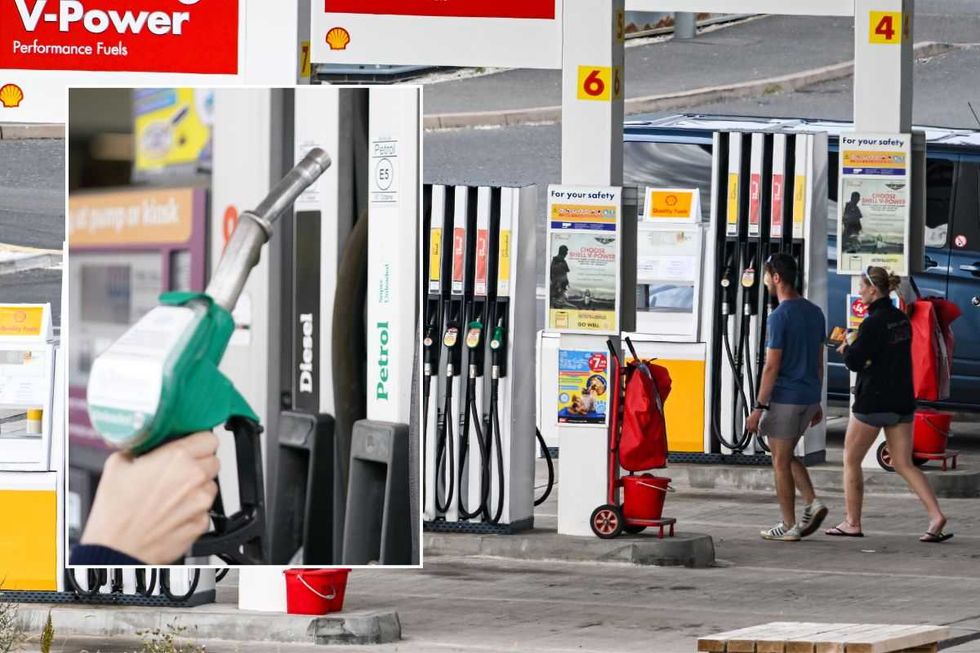 Drivers are still facing expensive petrol and diesel costs at the pumps | GETTY
Throw in industrial sectors such as cement, fertilisers, plastics and blast-furnace-produced steel – all classed as "hard-to-abate" – and it’s clear that the course to 2050 is far from plain sailing.
The Climate Change Committee, which advises Government on the carbon budgets, estimates that a third of emission reductions in the latest budget will have to come from “changes in energy use, travel patterns, and consumption”. In other words, from the behaviour of the British people.
The Government insists: “We are clear that we will hit our targets without telling people how to live and behave.”
But the Environmental Audit Committee (EAC) says this is a pivotal point in Net Zero and will see the green transition “increasingly experienced in everyday life”.
It says: “Delivery will now depend far more on decisions taken by households and communities in everyday life, such as how homes are heated, how people travel, and how energy and carbon-intensive goods and services are used.”
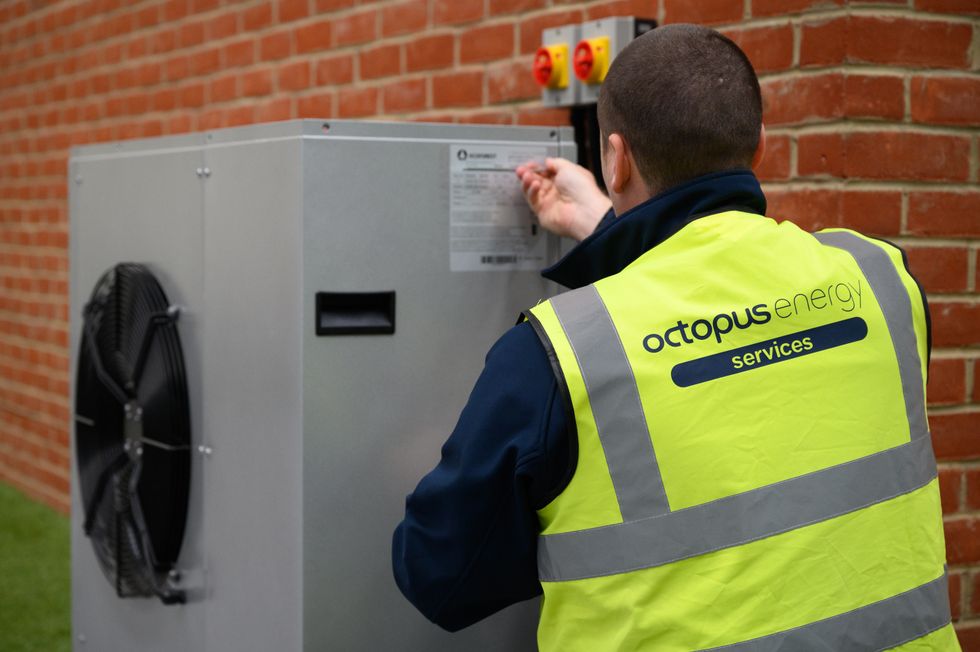 The Government's heat pump tsar continues to use a gas boiler | GETTY
So far as heating is concerned, the CCC predicts that heat pumps – an electric alternative to gas boilers – will do the heavy lifting.
But they are still to prove a hit with the public. In 2023 around 60,000 were installed. The EAC estimates that these numbers will need to hit 450,000 a year by 2030 and 1.5 million a year by 2035 to remain on track – a near 20-fold increase.
Some of the more eye-catching suggestions from the CCC are on transport and diet. Cycling will replace car journeys and plant-based food, meat, it expects.
It predicts: “Our Balanced Pathway sees people make some shifts towards lower-carbon choices. “Better infrastructure enables more people to choose public transport, cycling, or walking, instead of driving.
“A continuation of existing trends, together with greater choice and availability of plant-based foods, sees a reduction in meat (especially beef and lamb) and dairy consumption, within overall healthier diets.”
The CCC remains optimistic that the public will embrace these moves. They will be better for them, as well as saving the planet, it says.
It adds: “We expect the transition to Net Zero to deliver improved health outcomes, through improved air quality, better insulated homes, increased active travel, and healthier diets.”
While the CCC’s recommendations for meeting the seventh carbon budget included people making lifestyle choices such as eating less meat and dairy, Climate Minister Katie White has said that the Government would not be telling people what to eat from an environmental perspective.
The Government categorically ruled out such measures. It said: “We value the Climate Change Committee's independent advice, but that does not mean we have to replicate their pathway.”
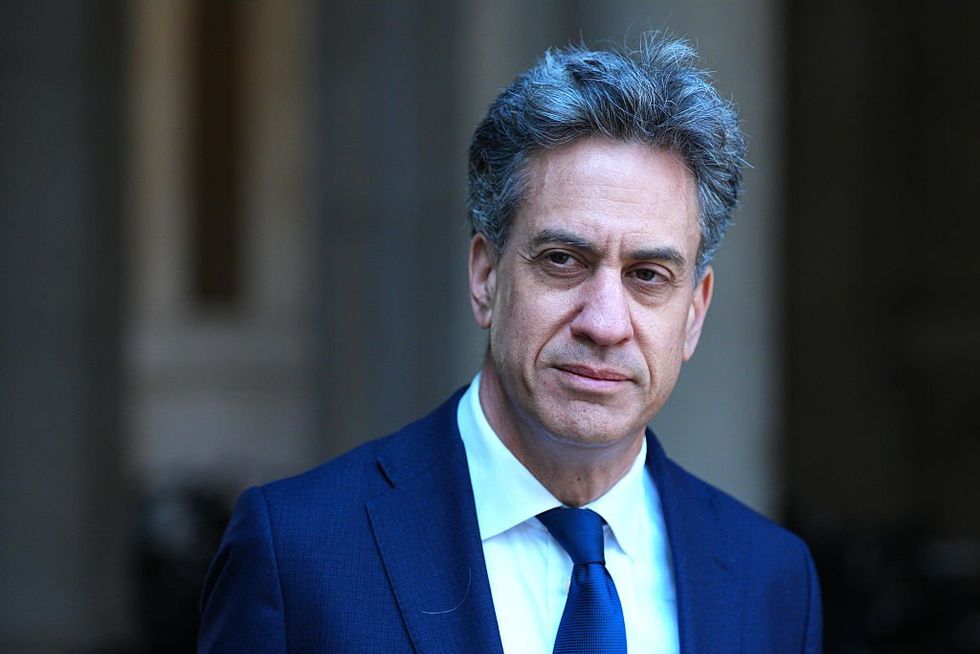
Ed Miliband
| GETTYBack in March, MP Toby Perkins, who chairs the EAC, stressed how important it was to keep the public onside if the plans were to succeed.
He said: “The measures still to come will impact our daily lives more than ever. “How we travel, heat our homes and power our technology will all be affected. “Public backing for Net Zero cannot be taken for granted.”
Following today’s announcement by Mr Miliband, Mr Perkins welcomed the move to a zero-carbon future, but repeated the warning on public support.
He said: “My committee’s recent report made clear that warmer homes, cleaner air and cheaper running costs all await if ministers get the next steps right. “But keeping public consent for these ambitious measures will be critical. I urge ministers to ensure that its plans for delivering this Carbon Budget have fairness at their heart.”
With both the Conservatives and Reform pledging to scrap Net Zero and former PM Sir Tony Blair calling for current targets to be ditched, the political consensus on the fight against climate change has been shattered.
It remains to be seen if the public will, indeed, give “consent for these ambitious measures” and keep up on track for our 2050 target.