







Trade Minister Chris Bryant has revealed that the Government has publicised 11 documents relating to Andrew Mountbatten-Windsor's appointment as Special Representative for Trade and Investment in 2001, in a statement delivered to the House of Commons.
The papers were released following a Humble Address motion from Parliament in February 2026.
Mr Bryant confirmed that investigators discovered no evidence of any formal due diligence or vetting procedures being carried out before the appointment.
"We have found no evidence that a formal due diligence or vetting process was undertaken. There is also no evidence that this was considered," the minister told the Commons.
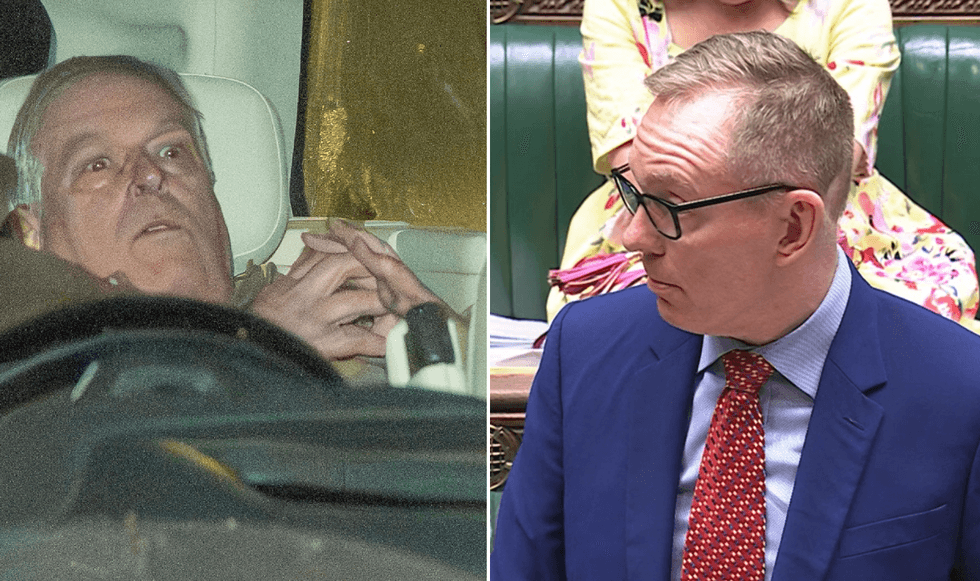
The Government has asmitted Andrew Mountbatten-Windsor was handed his trade envoy role ‘without vetting’
|GETTY / BBC
The documents reveal that the late Queen Elizabeth II wished for Mr Mountbatten-Windsor to take over from the Duke of Kent, who had served in trade promotion roles since 1976.
Mr Bryant described this absence of scrutiny as "understandable" given that the appointment represented a continuation of royal involvement in trade promotion work.
Locating the requested historical records proved far from straightforward, Mr Bryant explained to Parliament.
Government departments operated predominantly paper-based filing systems a quarter of a century ago, requiring officials to physically retrieve and manually examine archived materials.
"We have had to track down files that might potentially contain relevant information, recall these from storage and search files manually," the minister said.
Structural changes to government machinery added further complexity to the search.
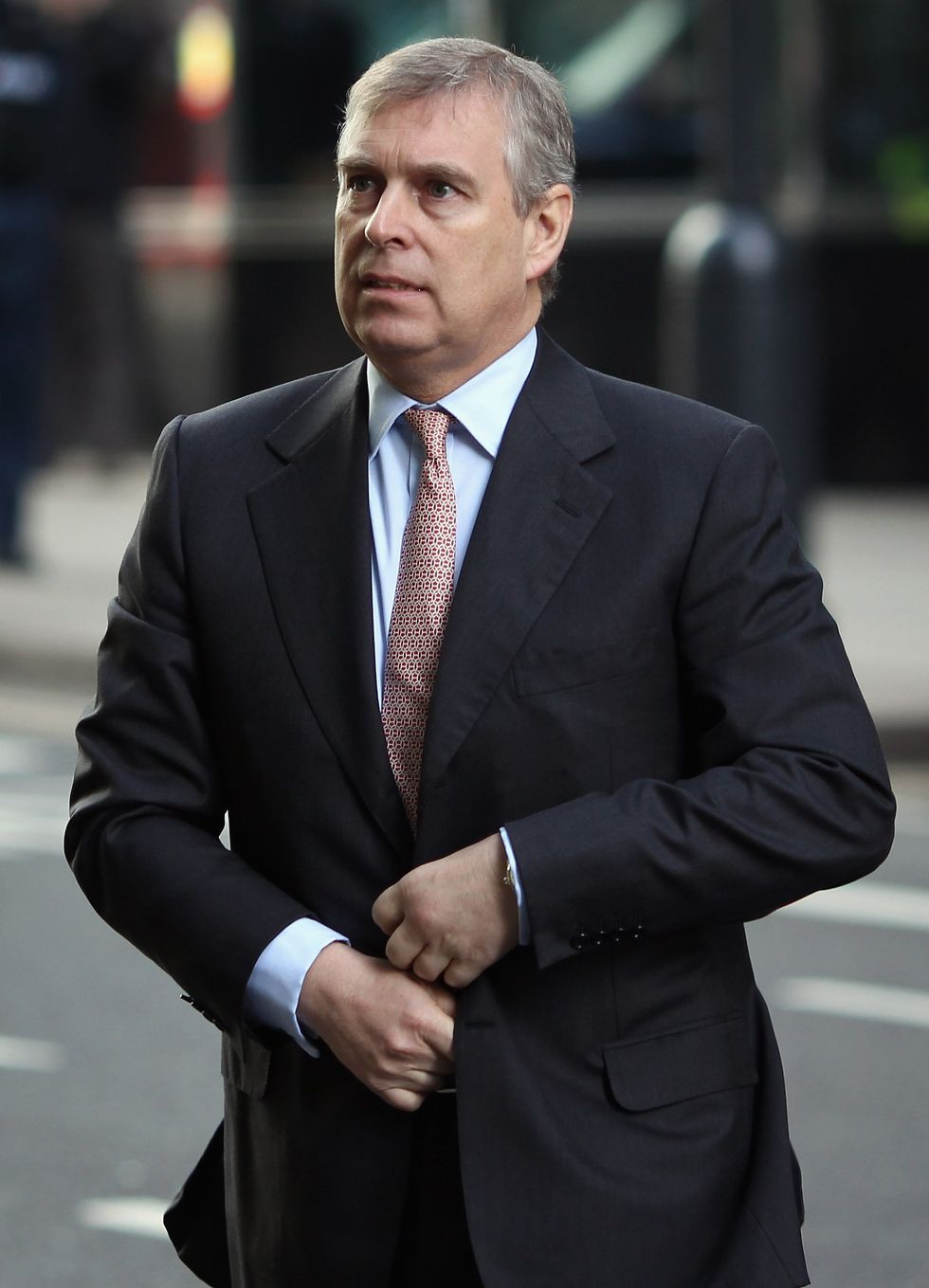
Andrew Mountbatten-Windsor was a trade envoy between 2001 and 2011
|GETTY
During the period in question, British Trade International led the Government's trade and investment support work under Chief Executive Sir David Wright.
The organisation answered to both the Trade and Industry Secretary and the Foreign Secretary, with oversight from a board chaired by Baroness Symons of Vernham Dean.
Officials searched records spanning 1999 to 2001 across four departments: Business and Trade, the Foreign Office, Defence, and the Cabinet Office.
The Duke of Kent had undertaken more than 60 overseas visits promoting British exports during his 25-year tenure as Vice-Chairman of the British Overseas Trade Board and subsequently British Trade International.
Sir David Wright submitted a formal proposal to ministers in February 2000, outlining that the Queen wished her son to succeed the Duke of Kent in supporting trade promotion abroad.
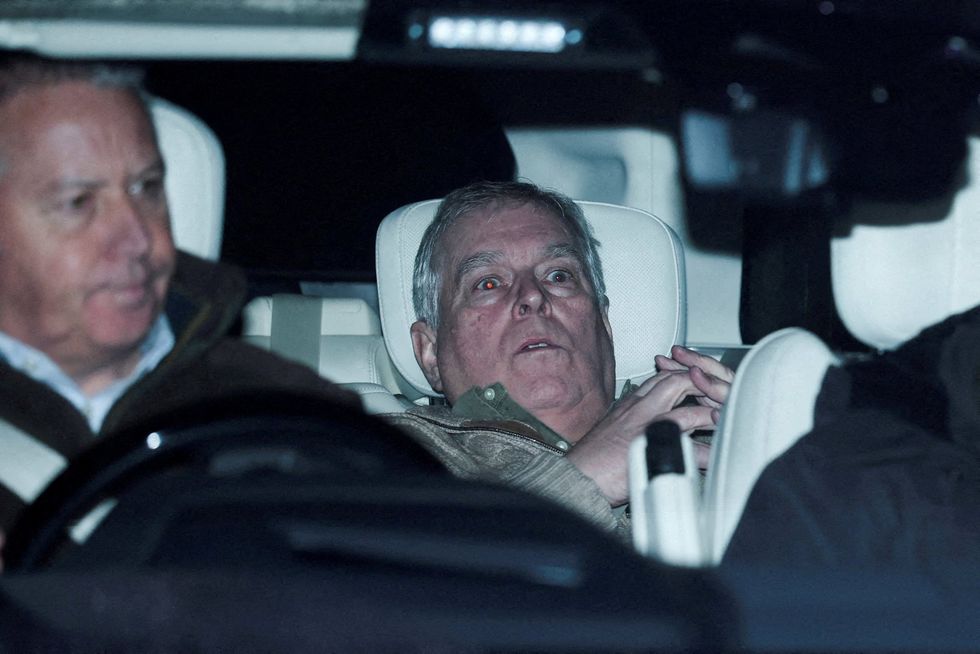 Andrew was arrested in February on suspicion of misconduct in public office and subsequently released on investigation | REUTERS
The proposed position would involve two or three overseas trade visits annually, regional visits within the UK, and hosting prominent foreign trade visitors.
Foreign Secretary Robin Cook had agreed the previous month that Mr Mountbatten-Windsor should be utilised more extensively.
The Palace announced the transition in December 2000, with a familiarisation programme beginning in April 2001 and the formal announcement following in October.
The position carried no salary, with official duty costs covered through standard departmental budgets.
Mr Bryant confirmed that the Government is providing full cooperation to Thames Valley Police as they investigate Mr Mountbatten-Windsor for potential misconduct in public office.
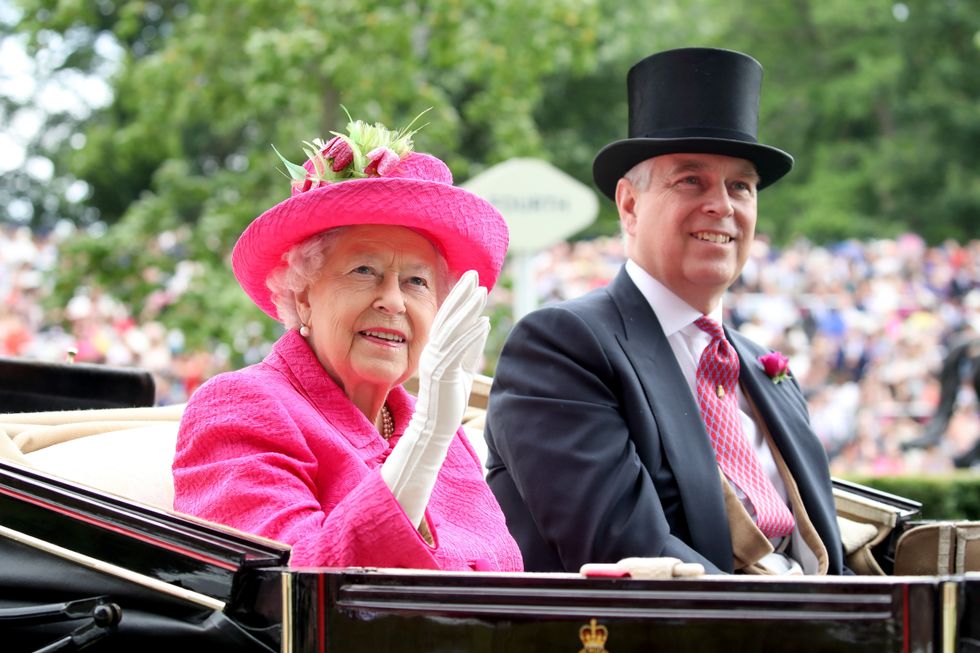 Queen Elizabeth II pictured with her son, Andrew Mountbatten-Windsor | GETTY
The minister assured Parliament that officials had pursued "maximum transparency" when deciding what to publish.
Redactions were kept to an absolute minimum, removing only personal data and material that could harm international relations.
"We have consulted the police to ensure that the release of information does not prejudice their investigation," Mr Bryant stated.
In an unusual departure from convention, the Government chose to publish royal communications concerning the former Duke of York's appointment, despite longstanding confidentiality protections for correspondence with the sovereign.
Only communications with the Royal Household on unrelated matters were withheld from the released documents.