










Diversity, equality and inclusion (DEI) programmes have cost British businesses £11billion, new analysis reveals.
In a new report from Policy Exchange, a right-leaning think-tank, it details how businesses have come under pressure from activist groups, staff networks, regulators and courts to adopt DEI policies.
The report, “Putting Business Back in the Driving Seat: Countering the rise of EDI in the workplace”, outlines how companies adopting DEI schemes have harmed their profitability, competitiveness and growth.
In many cases, the report details, the burdens of these policies have fallen particularly harshly on businesses that struggle to demonstrate compliance.
The UK’s human resources sector is twice as large as the EU’s and 60 per cent larger than that of the United States, which is equivalent to £10billion in misallocated workers.
Andrew Griffith, Shadow Business Secretary, backed the report, writing in the foreword: “There is cross-party consensus that growth is the foundation for the future of our country - although not all properly appreciate this can only come from business, entrepreneurs and the private sector.
“Yet too many businesses – from the largest multinationals to those starting out on our high streets and industrial estates – face an unacceptable regulatory burden that is antithetical to Britain’s growth and prosperity.
“The report correctly asserts that a correction of the balance between regulation and corporate autonomy on EDI is sorely needed.
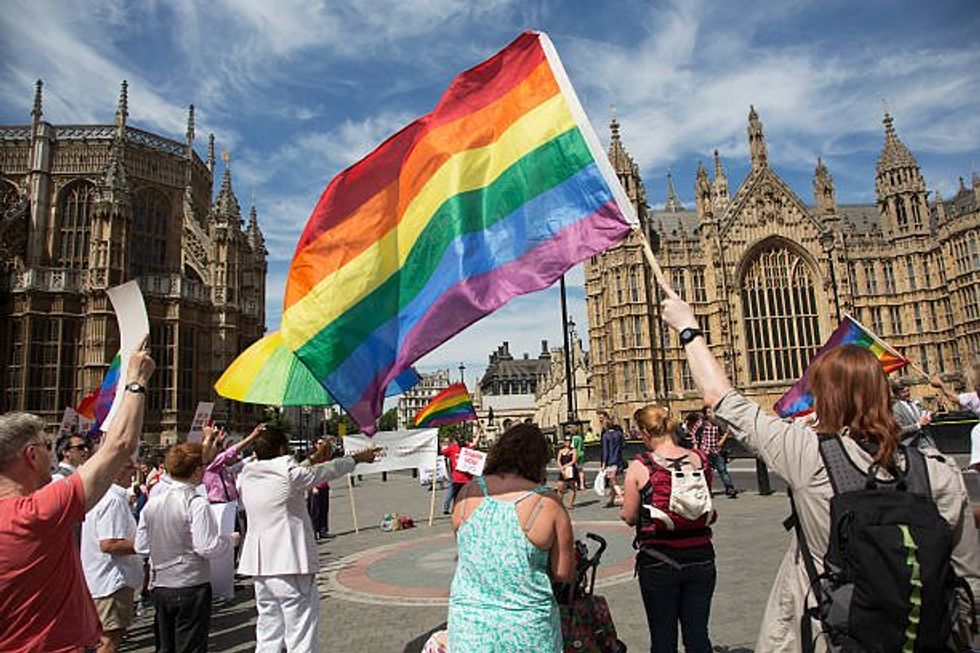
75 per cent of UK firms now have an DEI strategy in place and a quarter increased their DEI spending in 2025
|GETTY
“Its detailed recommendations are essential reading for any politician who wishes to put businesses, large and small, back in charge of their own destiny.”
The analysis outlines the cost of DEI policies, with equal pay claims that have drawn false equivalences between different jobs. ASDA is facing a claim of up to £1.2billion and the projected cost to businesses for training in this space is up to £780million annually.
It notes the average ESG report now runs to around 11,000 words, representing a 236 per cent increase between 2019 and 2024.
Over a similar period, HR roles in the UK economy grew by 83 per cent between 2011 and 2023, compared with overall jobs growth of 13.5 per cent, which the report presents as evidence of rising compliance and governance demands on employers.
LATEST DEVELOPMENTS

The report references ASDA currently facing £1.2billion in equal pay claims
|GETTY
The report estimates around 75 per cent of UK firms now have an DEI strategy in place and a quarter increased their DEI spending in 2025.
Within large listed companies, DEI-related internal activity has expanded in scope: some FTSE 100 firms are reported to operate up to 15 internal staff networks, with employees often permitted to use working hours to support and promote these groups.
In 2024/25, 29.4 per cent of all employment tribunal cases related to discrimination claims, with average settlements across discrimination categories exceeding £10,000.
The authors argue concerns about litigation have encouraged companies to formalise and document DEI policies as a defensive measure.
Zachary Marsh, Research Fellow, Policy Exchange and author of the report, said: “If the Government is serious about growth, it should start by getting its own house in order and scrapping burdensome EDI rules and guidance that has created a mass of shadow regulation that businesses feel obligated to follow.”
Last year, the Financial Conduct Authority (FCA) withdrew proposed new DEI guidance after estimates suggested it would impose £561million in one-off costs on firms, alongside £317million in recurring annual costs.
On top of the analysis, Policy Exchange has called for reforms to reduce the amount of resources being allocated to unproductive DEI programmes.
One proposal is to change the Equality Act by repealing the Public Sector Equality Duty and removing the clauses that permit "positive action".
They also suggest abolishing DEI requirements in public procurement and scrapping regulatory requirements for identity-based targets on boards.
Policy Exchange also want burdensome diversity requirements in advertising, broadcasting and other regulated industries to be scrapped.
Endorsing the report, Baroness Cash, former Commissioner at the Equality and Human Rights Commission (EHRC), said: “This detailed new report by Policy Exchange demonstrates how a wide array of pressures — from government regulation, to activist groups, to staff networks — have been hijacked to undermine business autonomy and impose burdensome EDI obligations across whole sectors.
“It sets out with precision the legislative reforms that will be needed to curb the worst excesses of this burden and free up businesses to deliver growth.”
GB News have approached the Department for Business and Trade for comment.
Our Standards: The GB News Editorial Charter