





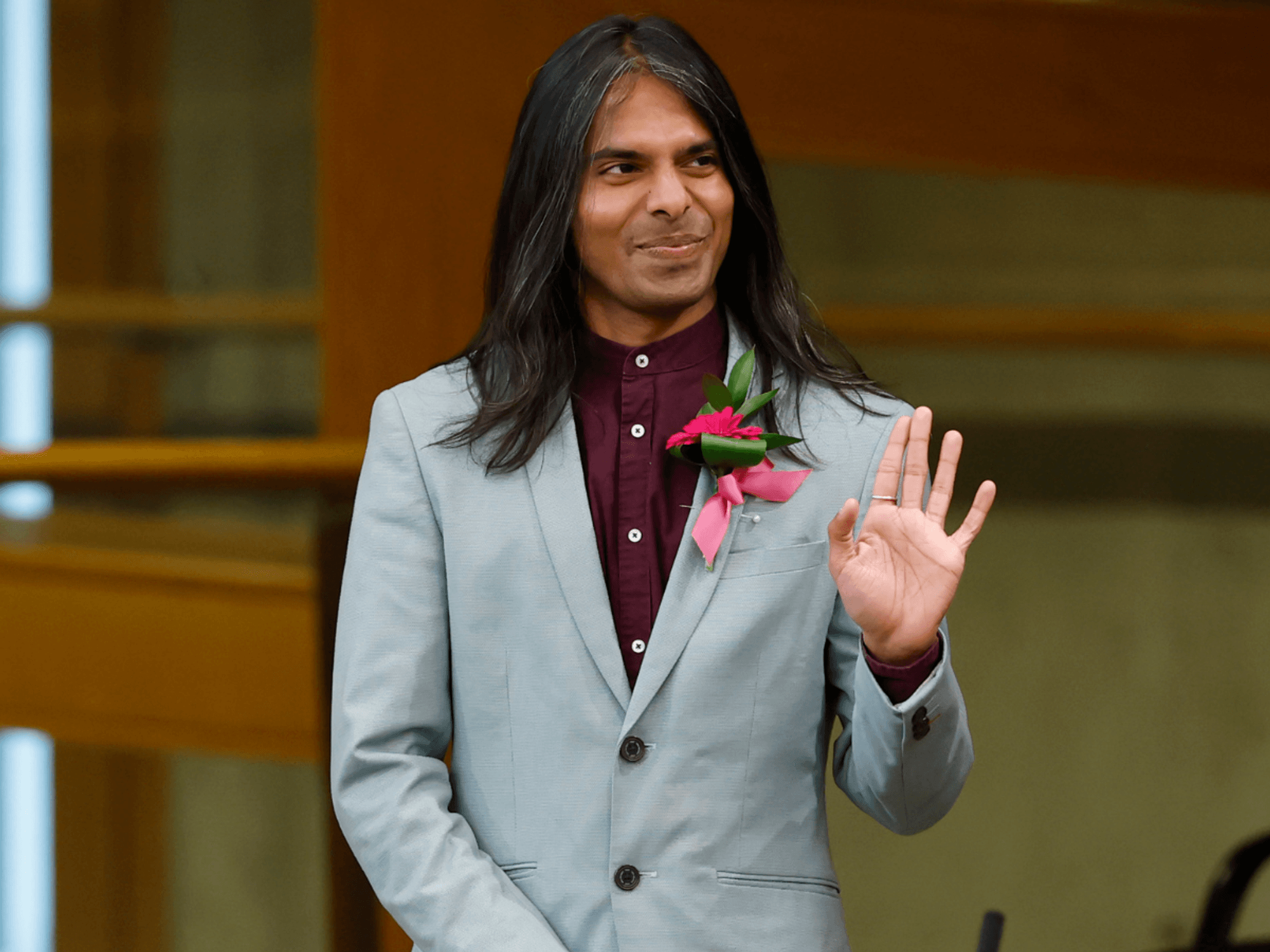
The Government's independent terror tsar has urged Britain to implement an Australian-style ban on social media access for children under 16.
In a lengthy justification for the proposed crackdown, preventing online radicalisation was identified as "central to national security."
The Australian legislation, which came into force on December 10, prevents those under 16 from creating accounts on major platforms, including Facebook, X, Instagram, Snapchat, and TikTok.
Jonathan Hall KC, who has held the advisory role for six years, described 2025 as the busiest period of his tenure and cautioned that the growth of artificial intelligence has further increased dangers for vulnerable young people.
TRENDING
Stories
Videos
Your Say
Mr Hall insisted the UK must "take back control" from global technology companies operating online platforms.
He drew parallels between this measure and other landmark public health interventions, comparing it to compulsory seatbelt requirements and the ban on smoking in pubs.
The terror tsar argued that tools like AI Chatbots risk pushing troubled teenagers "down the dial of death" more rapidly than conventional grooming techniques.
"Terrorist chatbots or avatars of celebrated mass killers, always present and eager to please, are precisely the wrong companions for disturbed teenagers like Axel Rudakubana and Nicholas Prosper," he wrote.
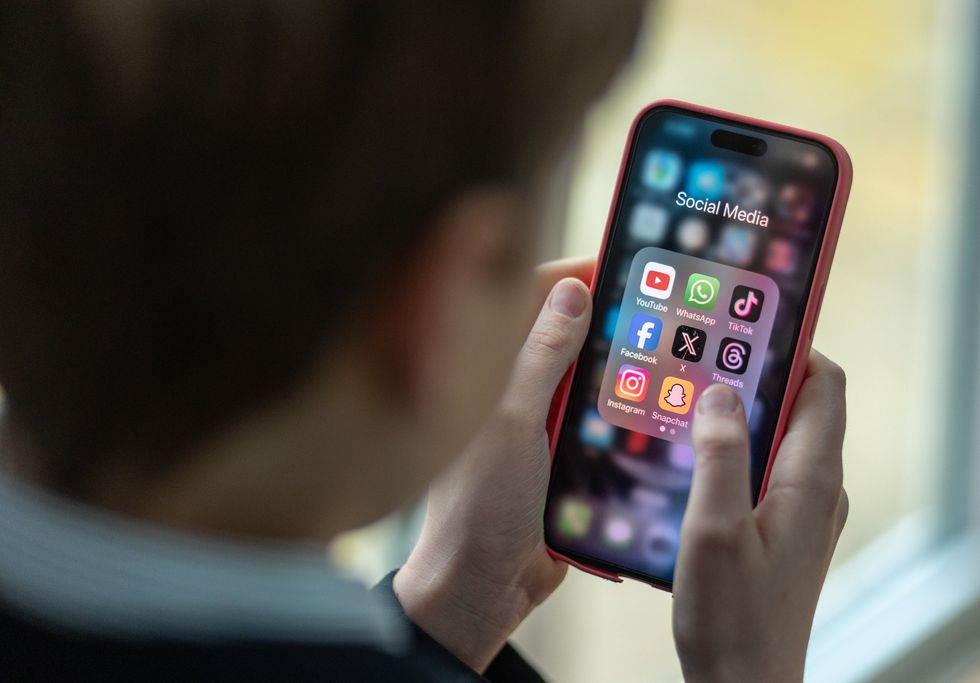
The UK's terror tsar has called on Britain to impose an Australia-style social media ban
|GETTY
The terror legislation reviewer referenced both the Southport killer and Prosper, the 19-year-old who plotted a school shooting, as examples of offenders who consumed extensive violent material online.
"Taking children away from their devices is a whole lot easier than parents monitoring their content, laughably suggested by the tech companies as an alternative to regulation," Mr Hall added.
He acknowledged that debate in the US around free speech has intensified, with American officials criticising both British attempts to restrict online harms for children and EU fines imposed on Elon Musk's platform X.
However, the KC maintained that "away from the rhetoric", American parents remain "powerless" against what the US Department of Justice has designated a "tier one" terrorism threat from online networks.
LATEST DEVELOPMENTS
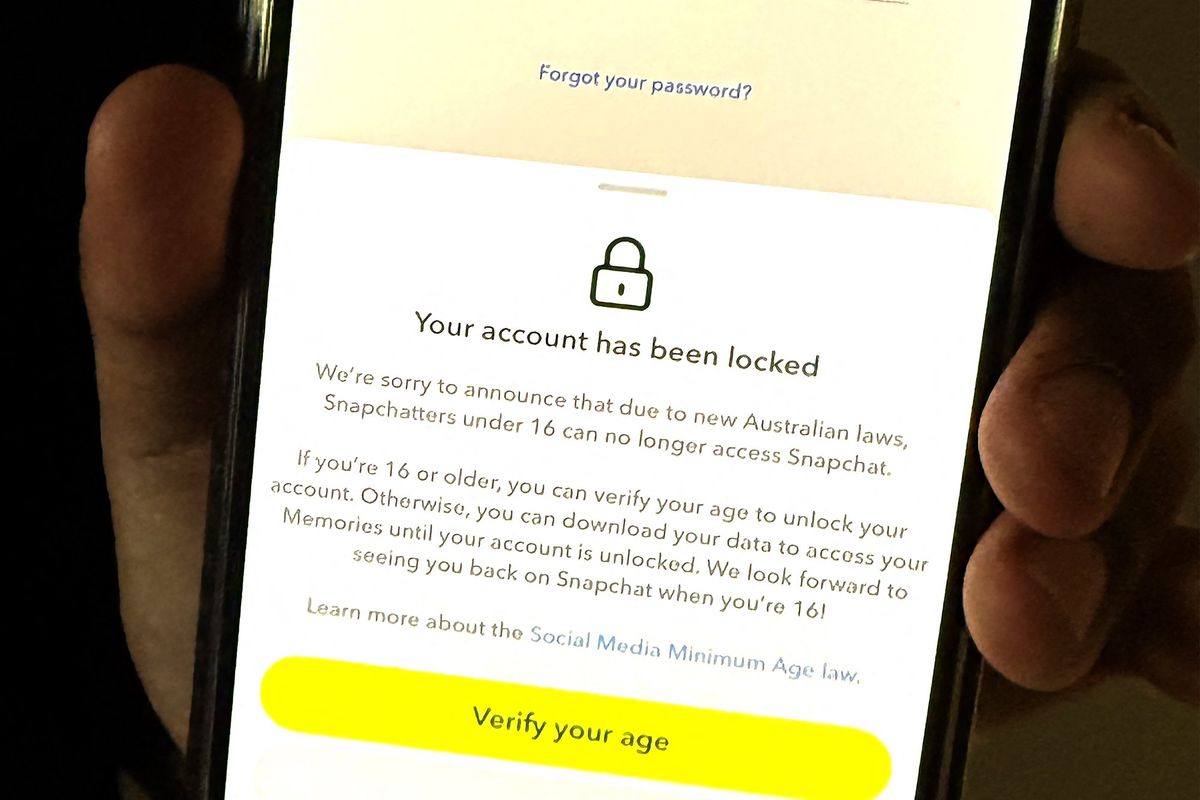
Australian legislation prevents those under 16 from creating accounts on platforms like Facebook, X, Instagram, Snapchat, and TikTok
|GETTY
"By now, most people understand that the internet has become a portal to horrific acts of violence, but it is the UK, not the US, which is better placed to take back control from the tech giants," he wrote in The Telegraph.
Mr Hall noted that American courts have repeatedly struck down state-level child safety legislation on constitutional grounds, with the trade body NetChoice successfully challenging measures from Ohio to Arkansas.
The Online Safety Act, the UK's current attempt to police the net, which came into force last year, has been lambasted by both free speech proponents and safety advocates.
Last month, tech giant Google warned the clampdown was "impacting users' freedom of expression, beyond what the (Online Safety) Act intended".
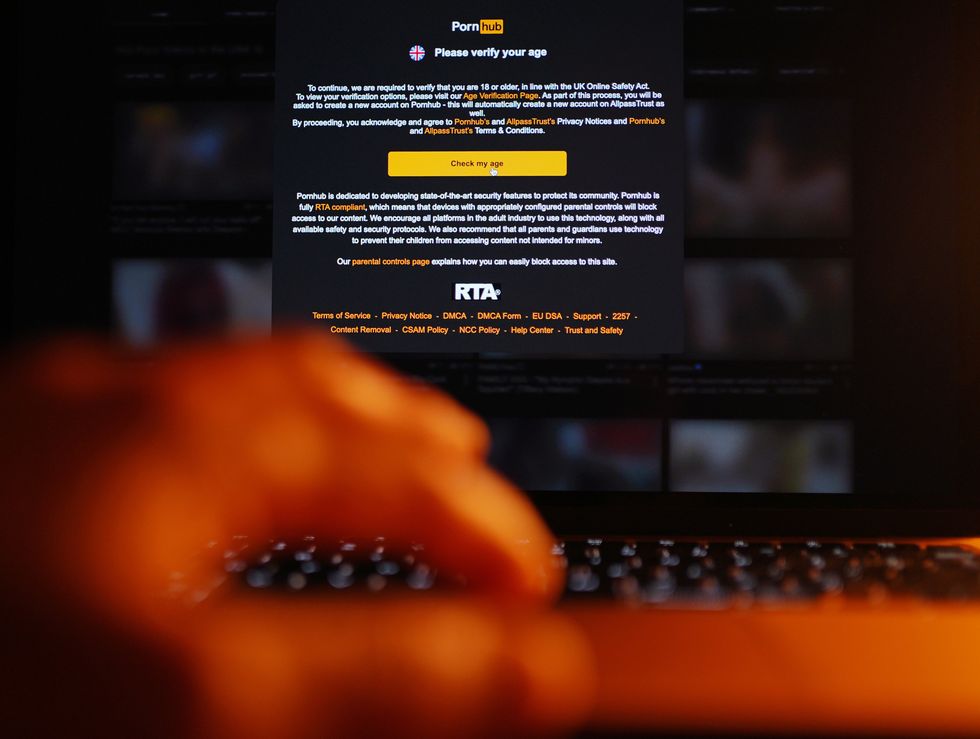
The UK's Online Safety Act is meant to prevent children from accessing harmful online content
| PAHowever, the Act has also faced criticism for being less restrictive than Australia's approach and for lacking powers to compel content removal.
Ofcom's December report found that seven in ten secondary school pupils had encountered harmful online content, most commonly bullying and hate material.
A Department for Science, Innovation and Technology spokesman said: “The Online Safety Act requires platforms to take robust action against illegal content, including removing it when flagged and taking proactive steps to stop users encountering the most serious illegal content.
“Ofcom has significant enforcement powers, including the ability to issue substantial fines regardless of where companies are headquartered.
“We’ve taken bold steps to ensure children are protected online. When it comes to children’s safety, any action must be based on robust evidence."
Our Standards: The GB News Editorial Charter
More From GB News