








Google has launched a scathing criticism of the Labour Government, claiming Britain risks suppressing free expression through the Online Safety Act.
The tech behemoth’s criticism targets Ofcom's plans requiring platforms to identify and limit the spread of "potentially illegal" material, including hate speech and incitement to violence.
In its response to the regulator, Google warned that such proposals risk "undermining users' rights to freedom of expression".
The company argued that the measures would "necessarily result in legal content being made less likely to be encountered by users, impacting users' freedom of expression, beyond what the (Online Safety) Act intended".
TRENDING
Stories
Videos
Your Say
Ofcom dismissed these concerns this weekend, maintaining there was "nothing in our proposals that would require sites and apps to take down legal content".
The dispute forms part of mounting transatlantic friction over Britain's approach to regulating the internet.
This month, the White House suspended negotiations on a £31billion technology prosperity agreement, with American officials expressing frustration at the Online Safety Act.
Allies of Donald Trump have repeatedly attacked the UK's landmark legislation ostensibly aimed at curbing online abuse and harmful content.
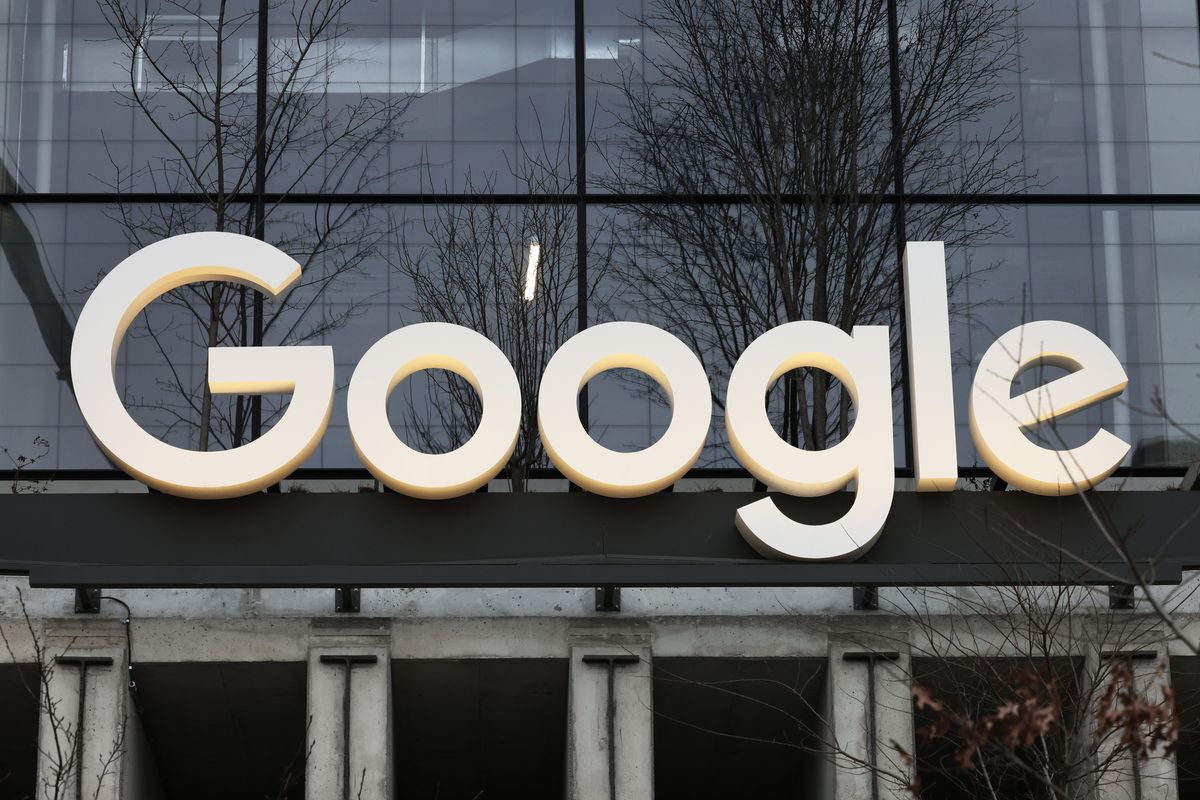
Google has launched a scathing attack on the Government over free speech concerns
|GETTY
Vice President JD Vance previously accused Britain of pursuing a "dark path" on matters of free expression.
Elon Musk's platform X has similarly claimed that "free speech will suffer" under the British regulatory framework.
Ofcom's latest proposals would see posts flagged as "potentially illegal" excluded from recommender systems, such as news feeds, until human moderators have reviewed them.
The regulator expressed concern about how swiftly content occupying a legal grey area could spread, pointing to the wave of hateful posts that circulated following the Southport killings and subsequent unrest.
LATEST DEVELOPMENTS
The tech giant issued a warning over the Online Safety Act
|GETTY
However, Google contended in its response published last week that Ofcom's approach "appears to introduce a new category of 'potentially' illegal content that was not intended by Parliament to be captured".
The 2023 passage of the Online Safety Act sparked fierce parliamentary debate over "legal but harmful" content, material that would be lawful offline but risked prohibition online.
MPs ultimately diluted these provisions, focusing instead on shielding children from adult content and prohibiting specifically illegal material.
Ofcom acknowledged that many technology companies already operate systems to suppress "borderline" content, adding: "We recognise that some content which is legal and may have been engaging to users may also not be recommended to users as a result of this measure."
A spokesman for the regulator stated: "There is nothing in our proposals that would require sites and apps to take down legal content.
"The Online Safety Act requires platforms to have particular regard to the importance of protecting users' right to freedom of expression."
The spokesman continued: "If illegal content spreads rapidly online, it can lead to severe and widespread harm, especially during a crisis. Recommender systems can exacerbate this.
“To prevent this from happening, we have proposed that platforms should not recommend material to users where there are indicators it might be illegal, unless and until it has been reviewed."
The transatlantic rift shows little sign of abating, as US officials are understood to be frustrated by Technology Secretary Liz Kendall's recent suggestion that AI chatbots such as ChatGPT could be brought within the Online Safety Act's scope.
Our Standards: The GB News Editorial Charter
More From GB News