




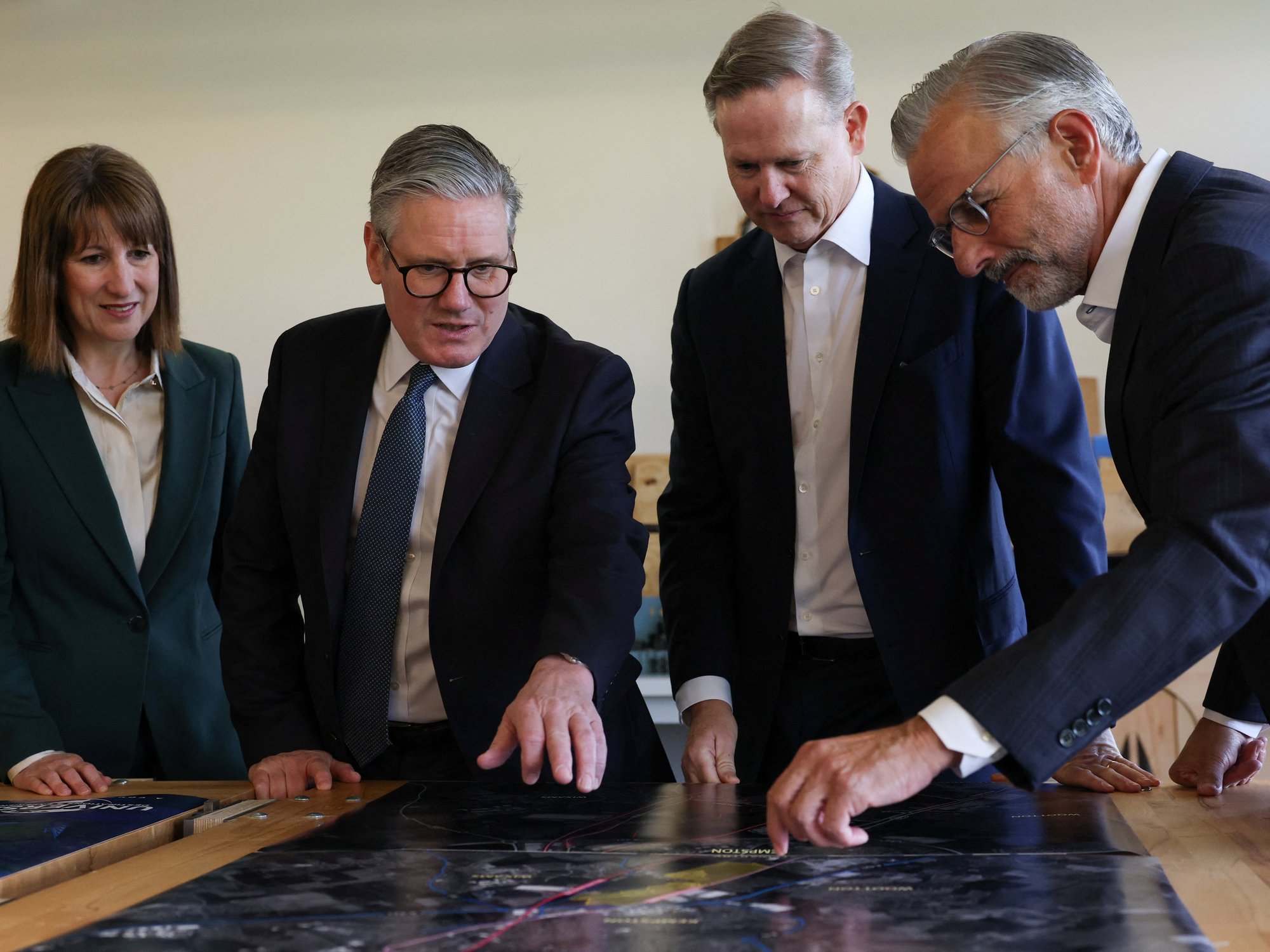
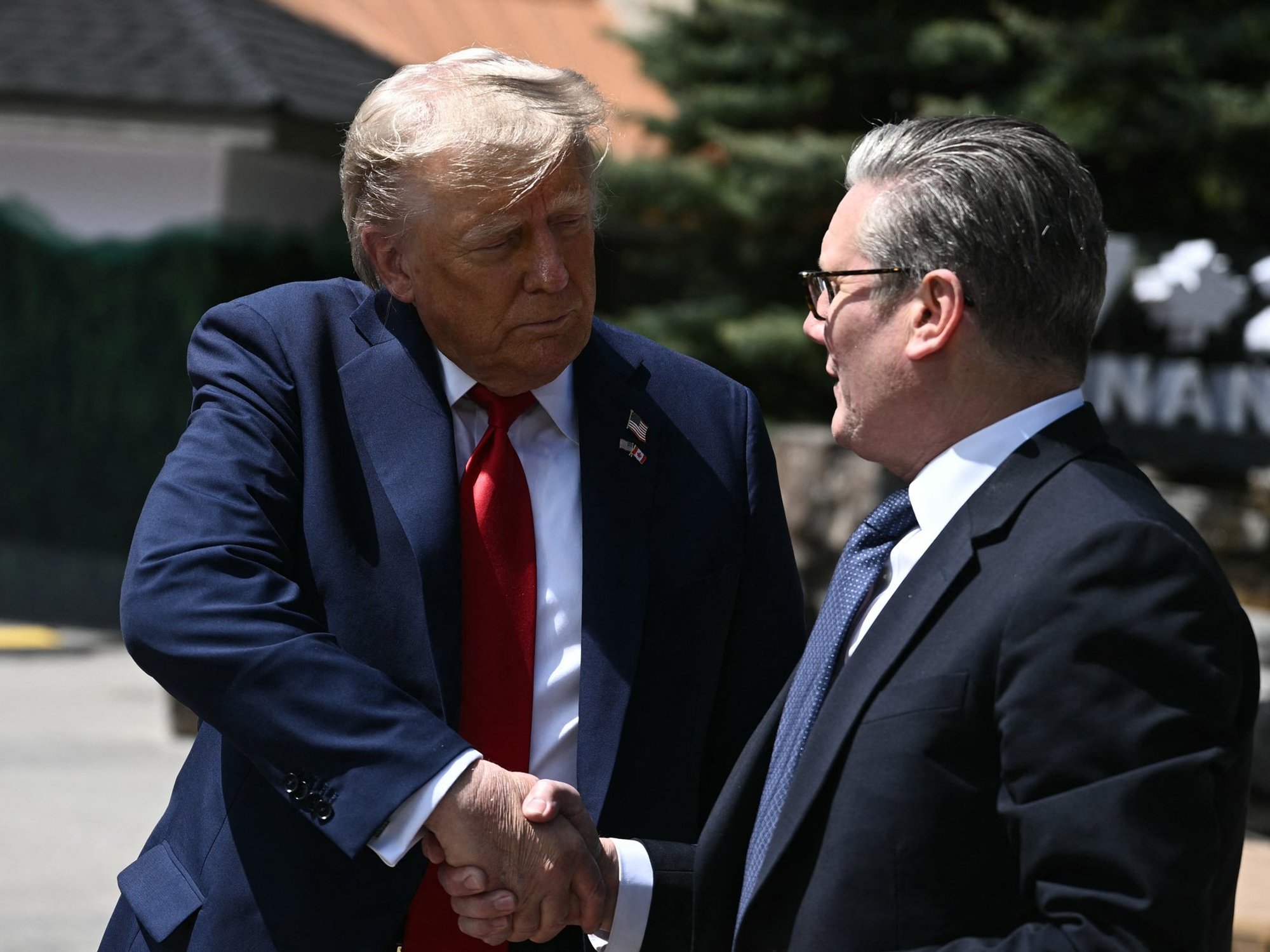
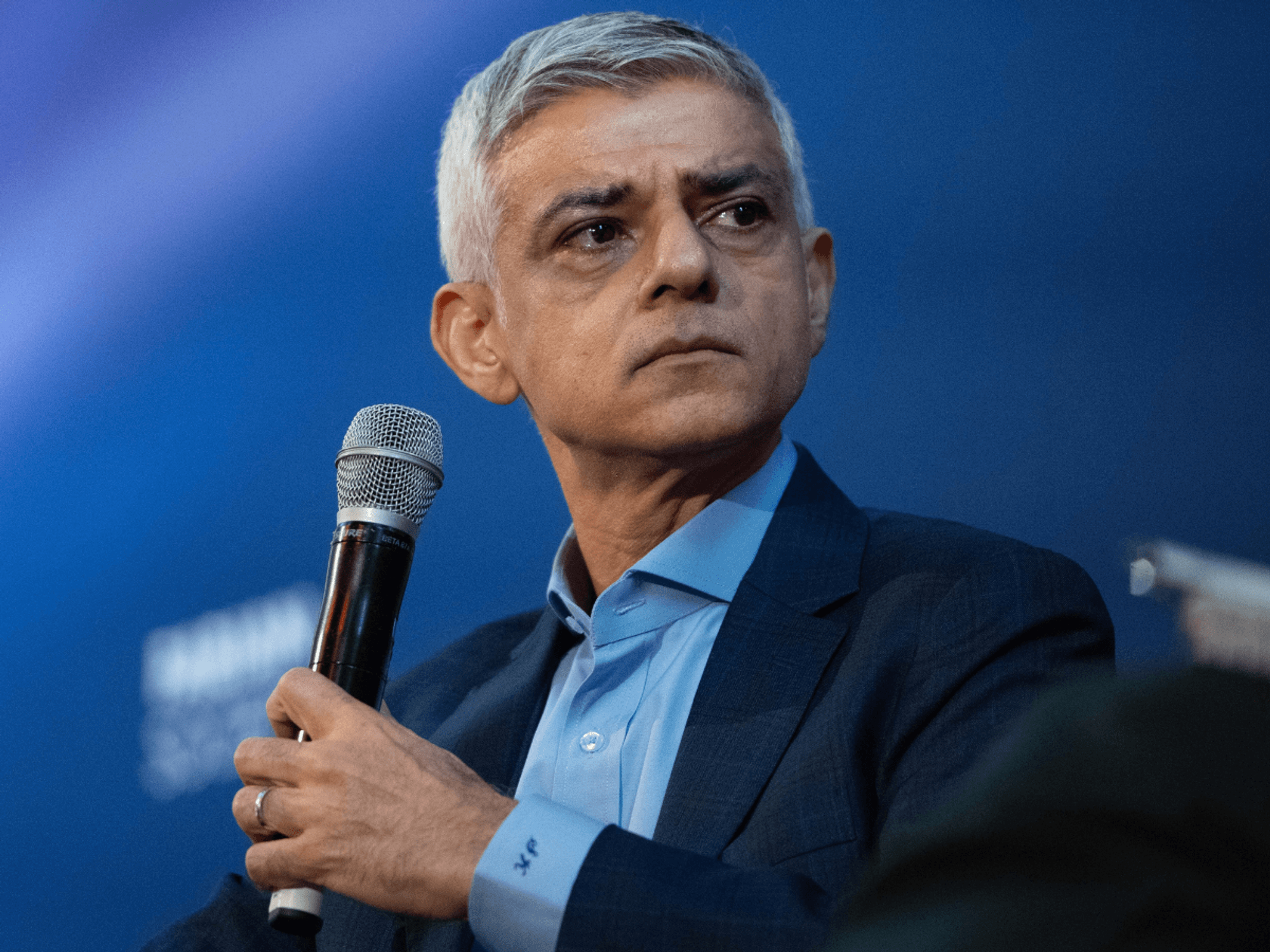
A ban on social media for under-16s has been rejected by MPs.
MPs voted 307 to 173, majority 134, against the proposed change to the Children’s Wellbeing and Schools Bill, which was brought forward by Conservative former minister Lord Nash.
The age limit had been backed by peers earlier this year after growing calls from campaigners including actor Hugh Grant.
Supporters of the Australian-style ban said parents are in “an impossible position” over the online harms their children are being exposed to.
Others, including the NSPCC, warned a ban could drive teenagers into unregulated corners of the internet.
However, a ban could still come in future after the Commons supported a Government bid to give additional powers to the Secretary of State.
In January, the House of Lords voted to support a ban on under-16s using social media in the UK by 261 votes to 150.
Addressing a potential ban previously, Keir Starmer said: "As a dad of two teenagers, I know the challenges and the worries that parents face making sure their kids are safe online.
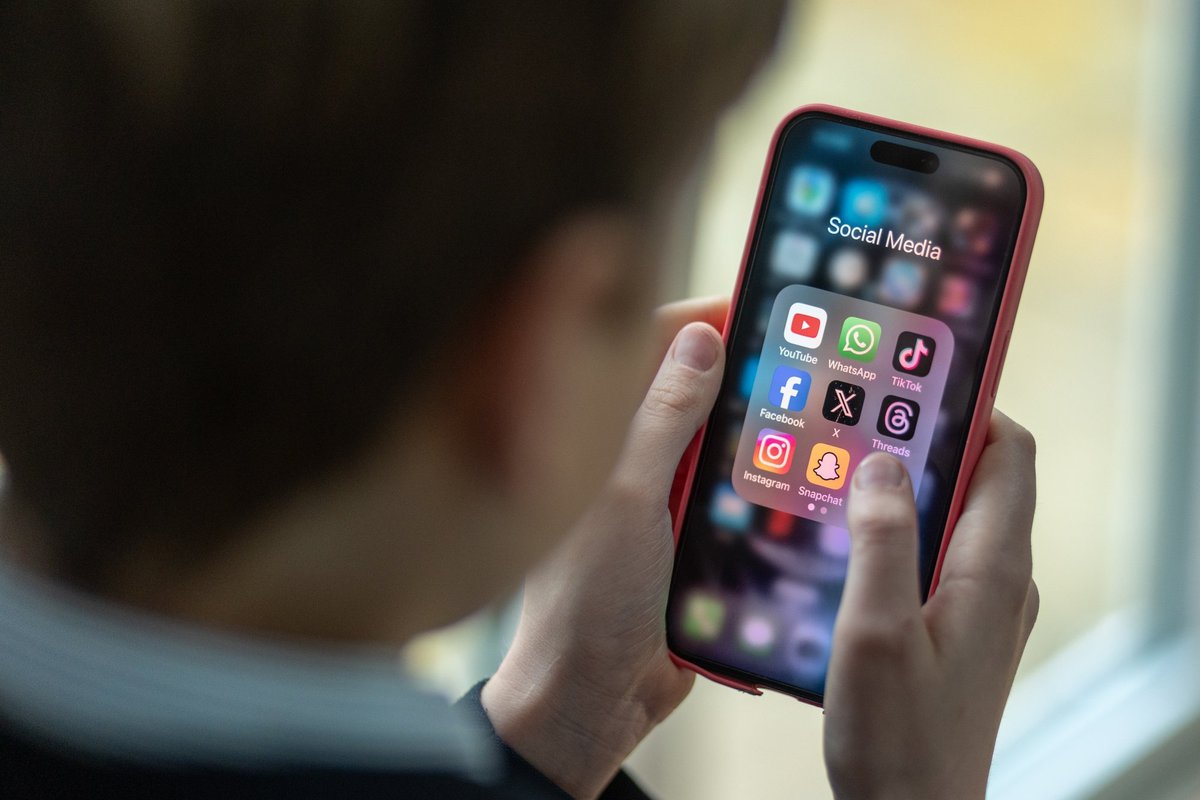
A ban on social media for under-16s has been rejected by MPs
|GETTY
"Technology is moving really fast, and the law has got to keep up."
Tory leader Kemi Badenoch has also told GB News that there must be "cross-party effort" to ban social media for under 16s.
"I think that the tide is turning. It's very clear that they have been lobbying hard to stop this from happening. If we can show a united front presenting cross-party effort, it's quite important that this is cross-party, so they know that there's nowhere for them to turn.
"I think we can actually start forcing them to think about how to implement this rather than saying it's not workable. It is workable, it is possible, and we don't need mandatory digital ID. There are loads of other ways in order to create this.
LATEST DEVELOPMENTS
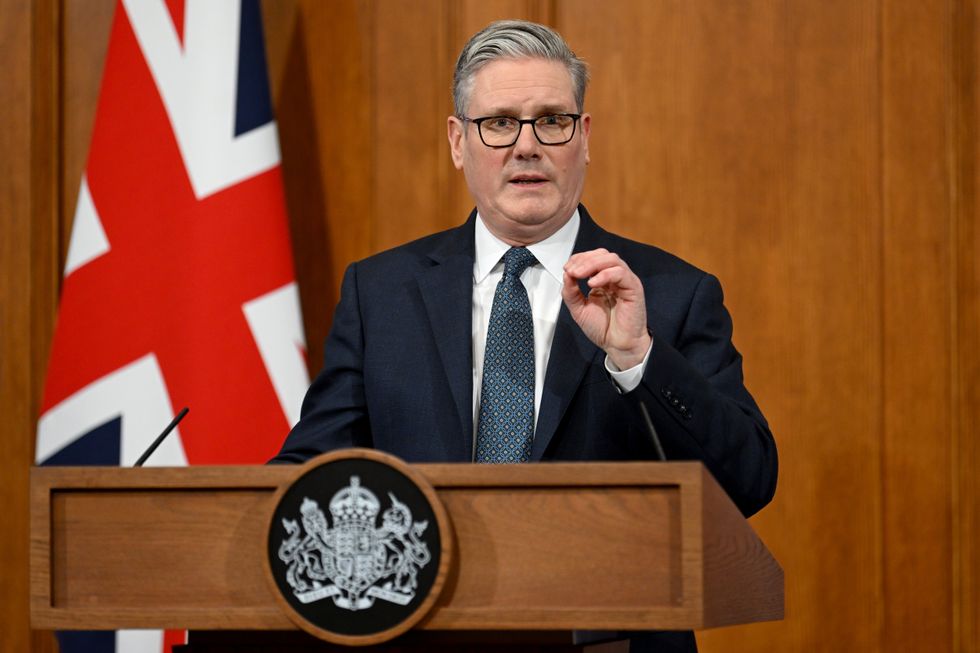
Regarding the ban, the Prime Minister has previously said: 'Technology is moving really fast, and the law has got to keep up'
|GETTY
"If we show the social media companies that this is where politics is going, there's no room for them to hide. I think that they will be forced to engage on the terms which the parents here have been trying to get them to do for so long."
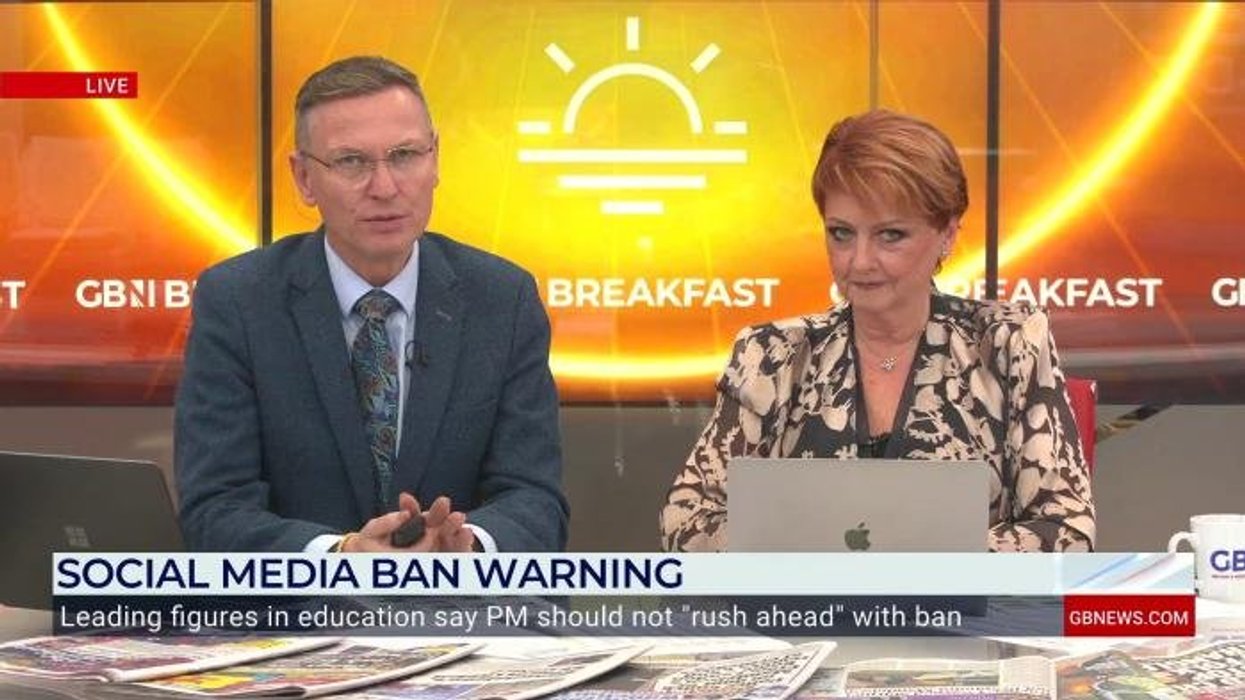
However, Avnee Morjaria, Associate Director for public services at the Institute For Public Policy Research, a pro-Labour think-tank, said "there’s more likely to be backlash if it’s done too quickly".
The former teacher, Ofsted inspector and special advisor at the Department for Education told GB News: "My advice for the Government is to consult and not rush into this.
"I think they should go ahead and do it, but on a slower timescale than the amendments that have been accepted in the Lords, so that we can do it well.
"Who even knows what a blanket ban is? Does it include all apps, all platforms, and where does the age cut-off actually sit? All of that needs to be worked out in consultation with the public."
However, Daisy Greenwell, co-founder of Smartphone Free Childhood, argues the ban would provide a much-needed "reset".
She told the People's Channel: "We now know the harms they’re causing to children everywhere, from suicide and mental health problems to the everyday harms every child experiences on these platforms.
"Kids get around rules on alcohol and smoking, but that doesn’t mean we abandon the rules altogether... We need to make the tech companies responsible for keeping underage kids off their platforms, rather than leaving parents to police it alone."
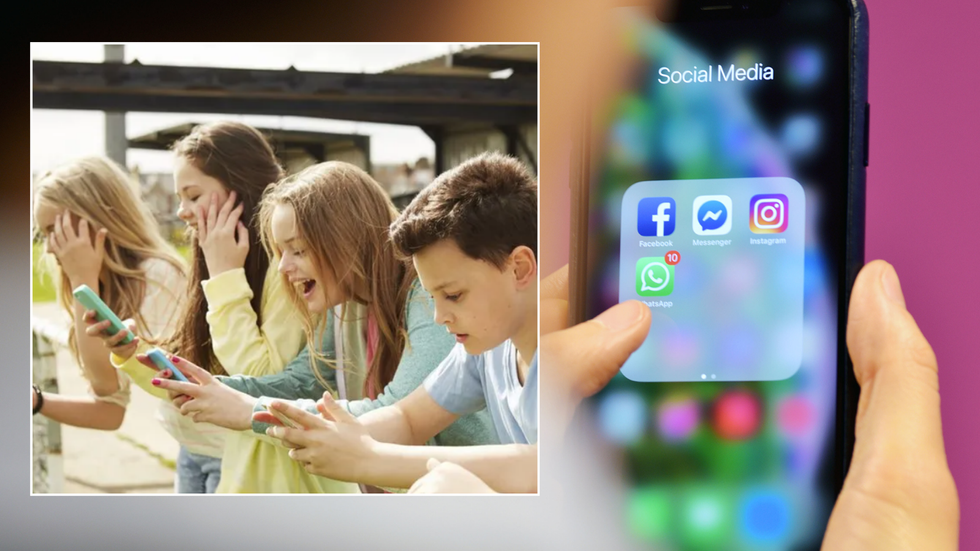
Australia banned social media for under-16s last year
| PA/GettyWhen asked about what advice she would offer the PM, Ms Greenwell stated: "Delaying isn’t neutral. It’s harming millions of kids. They need to be bold and listen to parents."
In Australia, publishers that fail to comply with the country's social media ban introduced last year could face penalties of up to A$49.5million (£25.3million).
Minister for Communications Anika Wells told the Australian Parliament: "We sent a clear message to big tech to let Australian kids be kids.
"Every social media account that we deactivate is an extra opportunity for young Australians to make a connection in real life, to play sport, to listen to music, to learn an instrument or to read a book from the library."
Other nations — including Spain, France and Denmark — are in the process of introducing their own laws.
Our Standards: The GB News Editorial Charter