

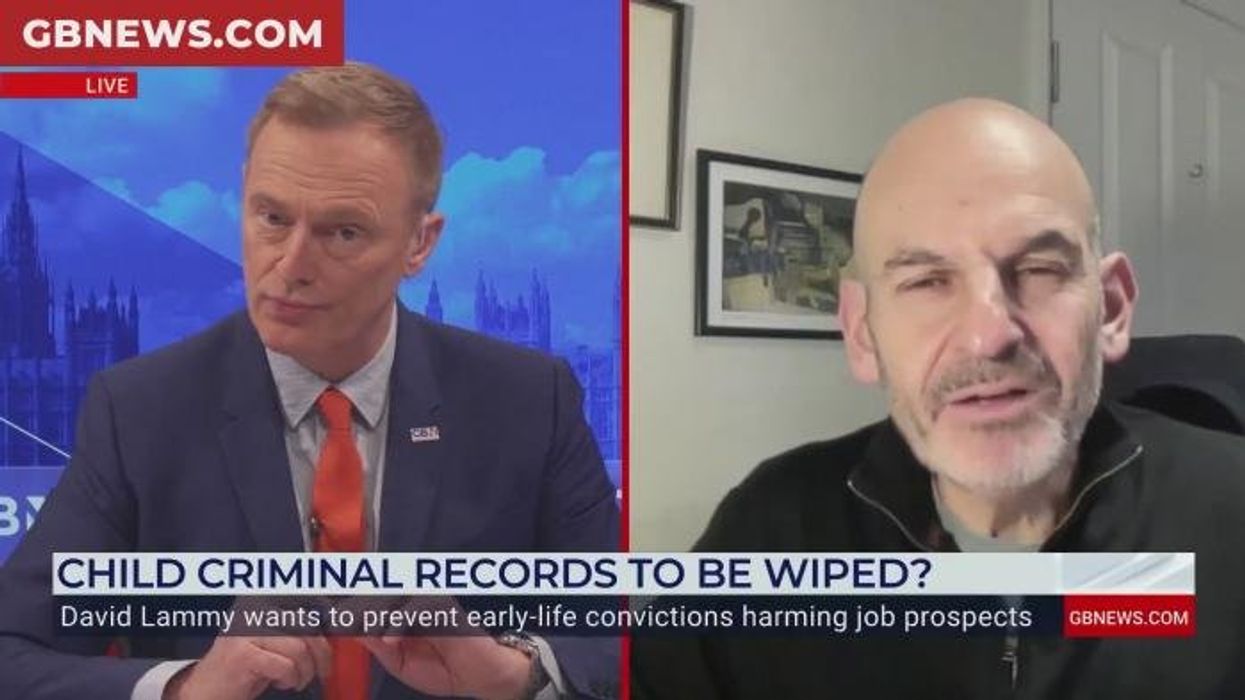









GB News presenter Martin Daubney warned loosening criminal record rules will not deter offenders, arguing the real issue is that “too many people get away with it”.
He said serious offences, including sexual crimes, must always stay on record, but questioned whether people who have genuinely moved on should still declare teenage crimes in their 30s.
The comments come as Justice Secretary David Lammy is examining proposals that could see childhood criminal records erased for thousands of people across Britain.
The Deputy Prime Minister is looking at overhauling the existing system to prevent youthful convictions from damaging employment prospects in later life.
TRENDING
Stories
Videos
Your Say
Mr Lammy said: "We will consider opportunities to simplify the criminal records regime to ensure it is clear and proportionate, particularly in relation to childhood offences."
The impetus for reform stems from evidence revealing that individuals in their fifties, sixties and even seventies continue to have minor youthful transgressions appear on background checks conducted by potential employers.
Freedom of information data indicates approximately 160,000 people have had offences committed during childhood reported to prospective employers through criminal record checks.
Among those affected are middle-aged adults whose records still show incidents as trivial as taking a bicycle without permission or travelling on a train without a valid ticket.
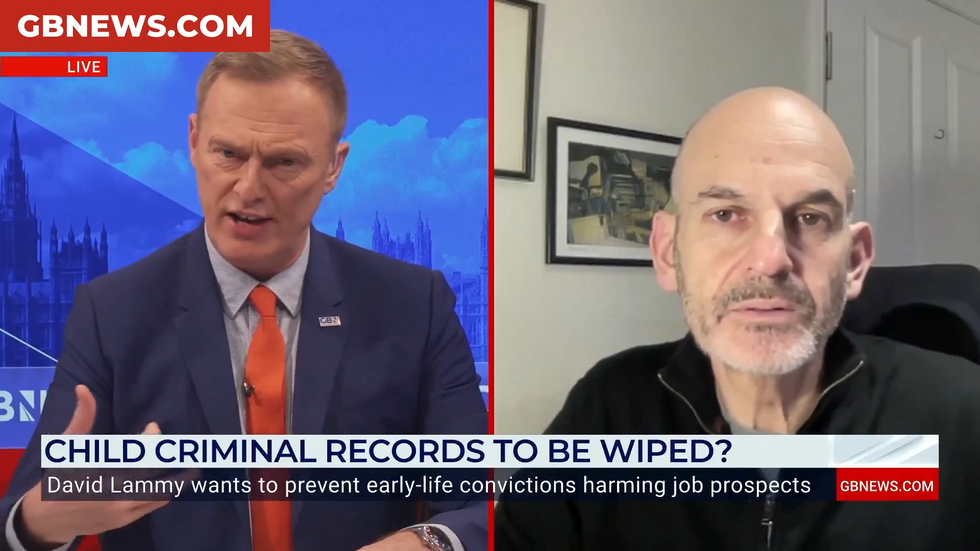
Martin Daubney hit out at the change saying it could 'fan the flames'
|GB NEWS
Under the current framework, the Disclosure and Barring Service provides checks for enhanced positions involving work with children or vulnerable adults, as well as standard professional roles requiring access to sensitive information across sectors including finance, law, and taxi driving.
Speaking to former Labour adviser Danny Shaw, Martin said: "There is confusion around offences like drug dealing, drug possession, and even street violence.
"These are not petty offences, and they can be the early stages of a much more serious criminal career particularly if people think it’ll all just be scrubbed off later. And if the police think it’ll be scrubbed anyway, there’s a danger it creates even less pressure to prosecute.
"What I’m saying is: will reform fan the flames of youth lawlessness and encourage bad habits that the wider public ends up paying for?"
LATEST DEVELOPMENTS

David Lammy's interest in reforming the system dates back to 2017
| PAMr Shaw responded: "I honestly don’t think the current proposals, or loosening the system slightly, will do that. But there is a danger in going too far the other way scrubbing records too quickly, including serious offences.
"Then you risk people turning up to jobs, committing a crime, and later it comes out that they had a record that wasn’t declared. That would make the problem worse, because the rules would be tightened all over again.
"So it’s about striking a balance. There are young people in their teens who get involved in gangs, commit robberies that’s very serious, and it should stay on their record for a time.
"But if they’ve genuinely moved on with their lives by the age of 30, do they still have to declare it? That’s the question.
"We’ve all done stupid things in our youth even you, Martin, I’m sure. Some people come from extremely difficult backgrounds, get mixed up in gangs, and get into trouble."
Mr Lammy's interest in reforming the system dates back to 2017, when he conducted a review of criminal justice commissioned by the Conservative government under David Cameron.
That review advocated for a US-style approach enabling offenders to apply to a judge or parole board to have their records sealed if they could demonstrate genuine rehabilitation since conviction.
Under this model, criminal records would not be erased entirely but would become non-disclosable, meaning individuals would no longer need to reveal them and employers would be unable to access the information.
The Ministry of Justice has indicated its support for exploring changes, stating: "We want to help children who have committed crime to stop reoffending and turn their lives around.
"That is why the Government is actively exploring opportunities to simplify the criminal records system, while always putting public safety first."
Our Standards: The GB News Editorial Charter
More From GB News