






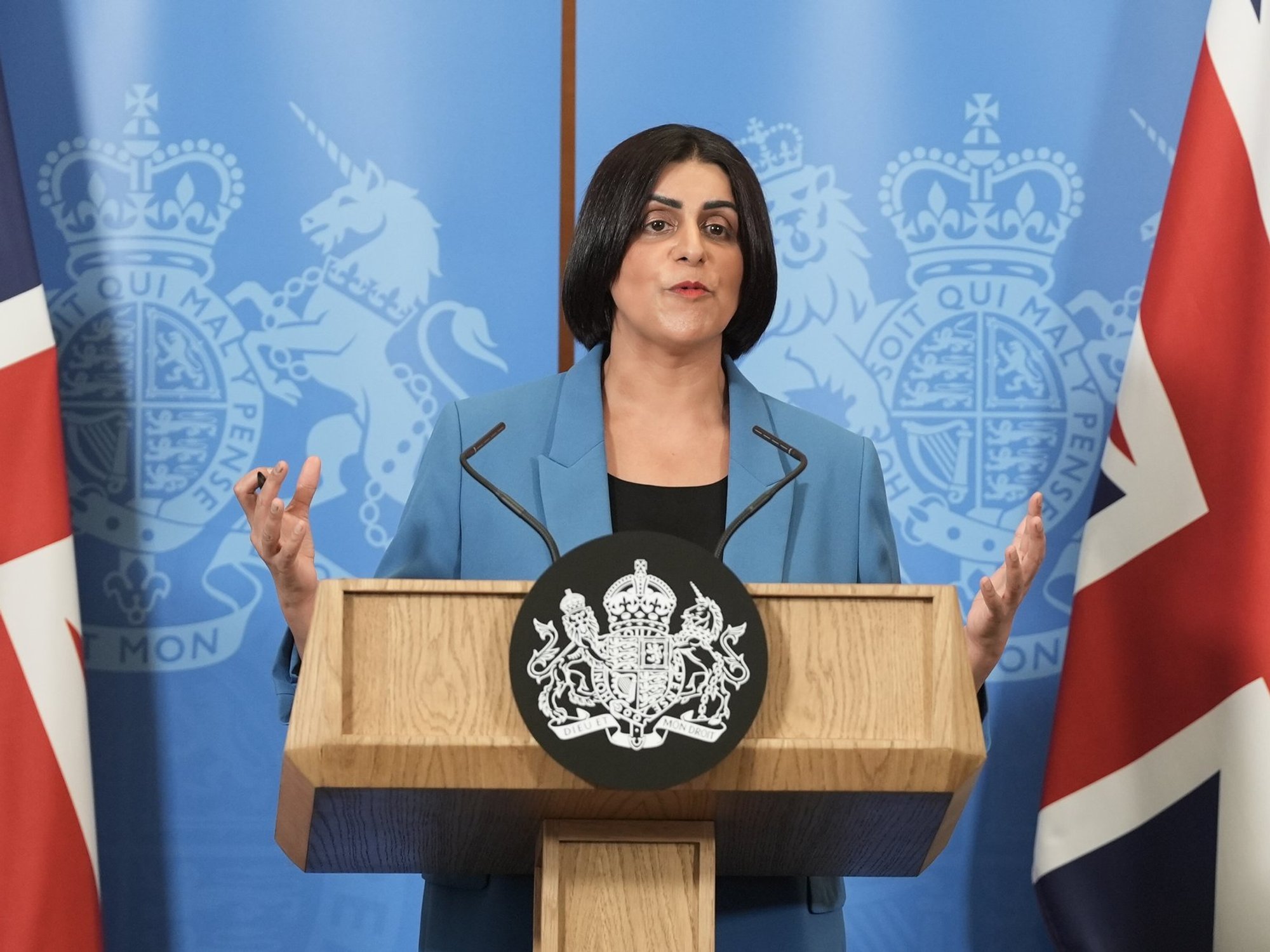
The former head of the Government’s equalities watchdog has warned a new definition of Islamophobia could be used against women’s rights campaigners.
Baroness Falkner of Margravine the term could be used to silence people who voice their concerns for the rights of Muslim women.
According to Labour, the proposals are designed to counter a surge in anti-Muslim abuse.
However, critics of the bill claim it acts as a de facto blasphemy law and could stifle legitimate criticism of Islam as a religion.
TRENDING
Stories
Videos
Your Say
Lady Margravine, who finished her term in charge of the Equality and Human Rights Commission (EHRC) last month, has criticised the Government over the proposals, saying they were an attack on free speech.
She told Sky News: "We have a situation now where the Government has told us they’re bringing in a new definition of Islamophobia that will be more speech curtailing, more speech chilling.
"At the Equality and Human Rights Commission, as you know, we’re responsible for religion and belief. We are the regulator of religion and belief discrimination.
"If they’re going to bring in yet another area where, for example, anyone who’s defending women’s rights is going to be accused by those ethnic minority men of Islamophobia, if they dare say something about how Muslim women are suppressed. I’m a Muslim woman myself. I know all about this. I know the community."
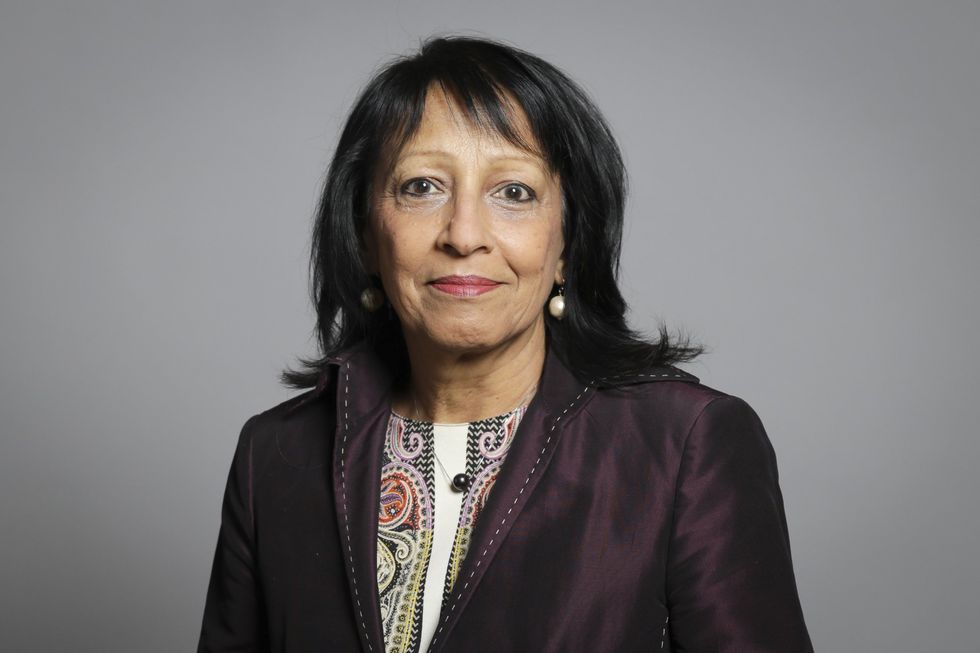
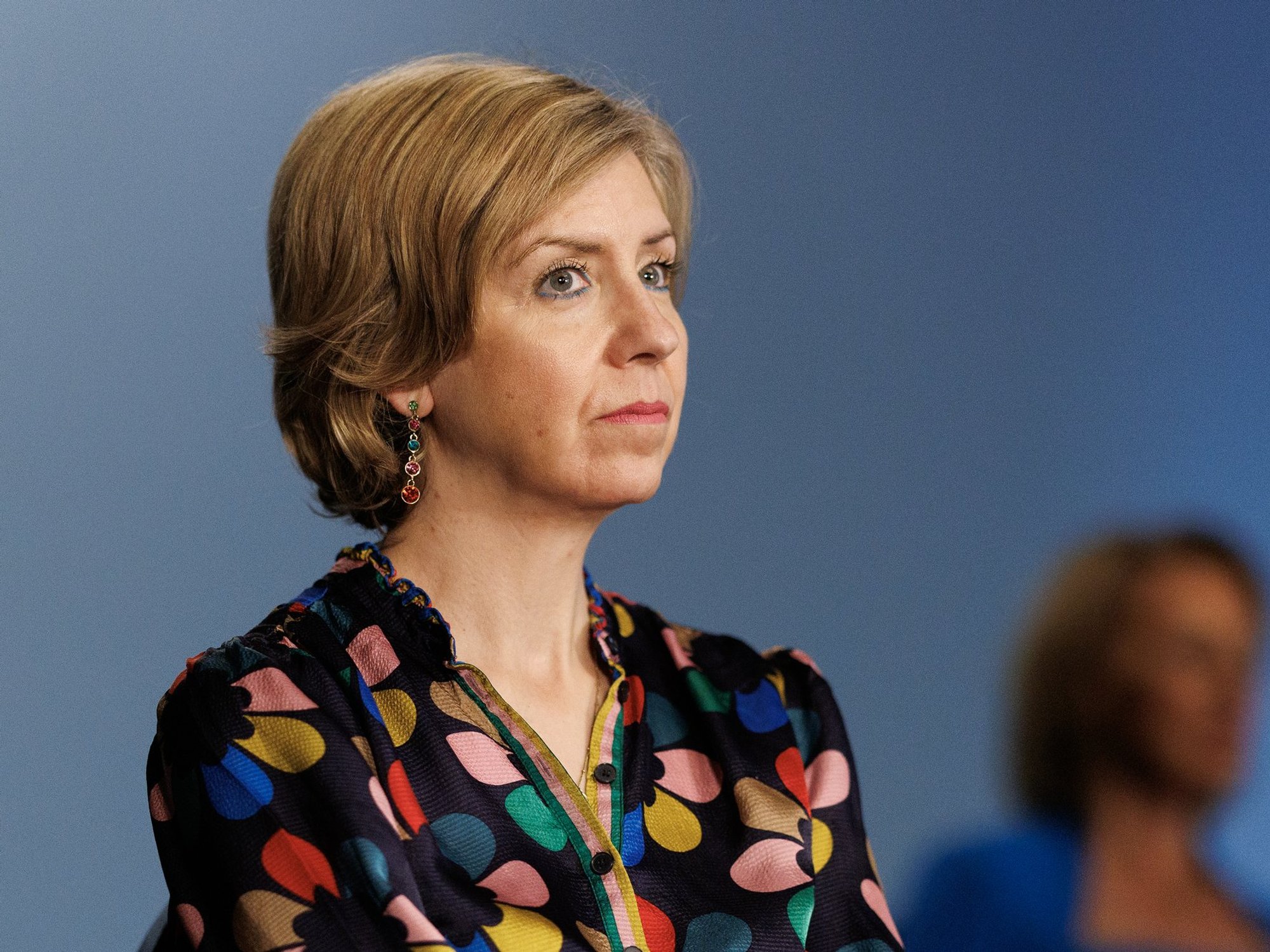
Lady Margravine issued the warning about the new definition
|WIKICOMMONS
While they were in opposition, Labour incorporated a definition of Islamophobia into its code of conduct for party members.
It stated: "Islamophobia is rooted in racism and is a type of racism that targets expressions of Muslimness or perceived Muslimness."
However, some critics raised questions about the wording, drawn up by the All-Party Parliamentary Group (APPG) on British Muslims.
They said the wording was too broad and could amount to a "blasphemy law", an accusation which Downing Street has strongly denied.
LATEST DEVELOPMENTS
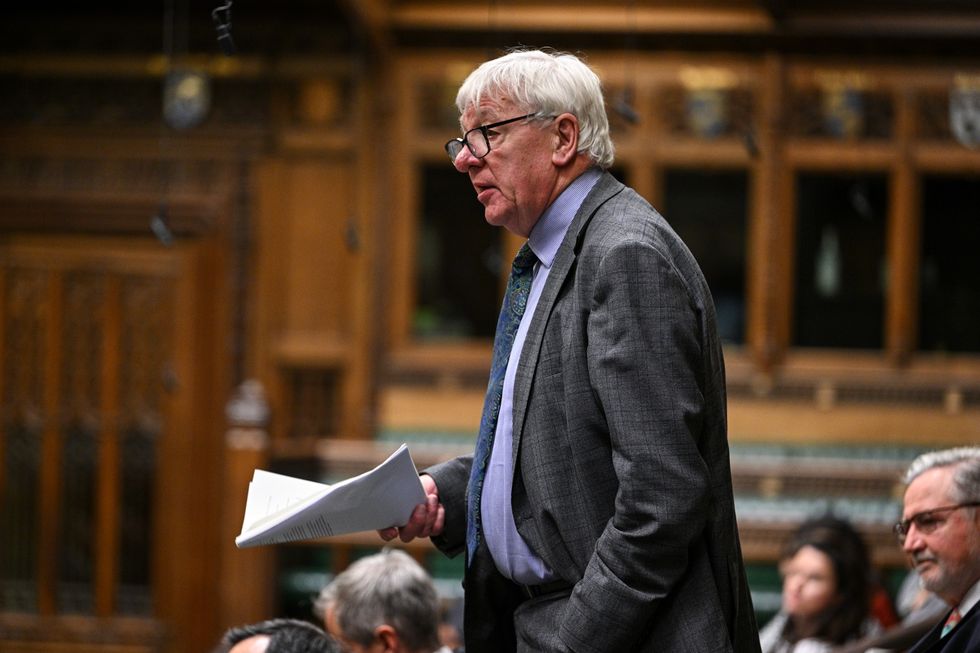
Graham Stringer asked if there would be a "blasphemy law" introduced
| HOUSE OF COMMONSAt Prime Minister’s Questions on Wednesday, Graham Stringer, the Labour MP for Blackley and Middleton South, raised the topic.
He said: "This country can be proud of its history of religious tolerance and religious freedom, the quid pro quo of that is the right to criticise religion.
"Can the Prime Minister assure this House that there will be no introduction or reintroduction of a blasphemy law, either by statute, by judicial overreach, or by a non-statutory definition of Islamophobia?"
The Prime Minister responded: "Yes, I can give him that assurance, and it’s important that I do so."
Later, in the same sitting, Independent MP for Leicester South Shockat Adam, told the Commons that no religion was beyond critique or scrutiny, but added: “Islamophobia is real.”
He said: "I would like to ask the Prime Minister that in opposition, the definition of Islamophobia was adopted (by the Labour Party). In Government, it has been dropped. Can I ask what’s changed?"
Sir Keir did not respond to whether the definition had been dropped.
He said: "Hatred in all its forms should be condemned by all of us in this House, and that includes anti-Muslim hatred as well, and we intend to act on it."
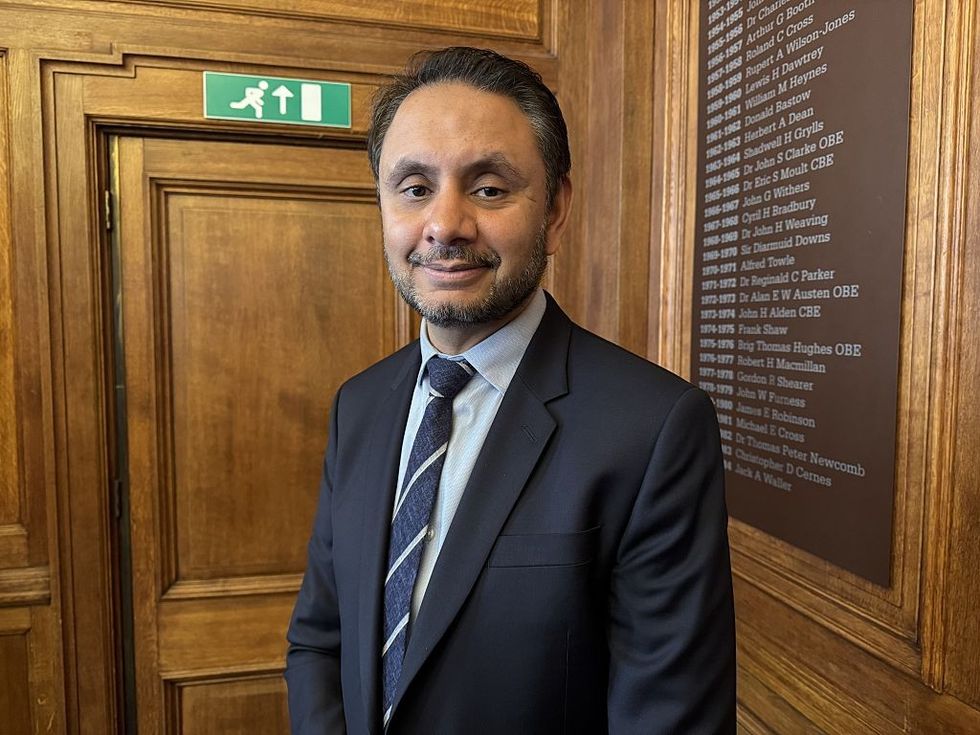
Independent MP for Leicester South Shockat Adam brought up the issue in PMQs
| GETTYThe EHRC has previously criticised Labour for failing to properly consult key stakeholders on the definition.
The watchdog said the definition failed to cover the "many complications arising from the existing law", describing it as "extremely narrow" .
While written advice was sent to the working group, by the time of the meeting, the group had "all but completed their work."
A spokesman for the Ministry of Housing, Communities and Local Government said: "This is nonsense. The independent working group listened to a broad range of views, and the call for evidence was published online and went out to everyone. We’ll continue to protect our vital right to freedom of speech."
More From GB News