

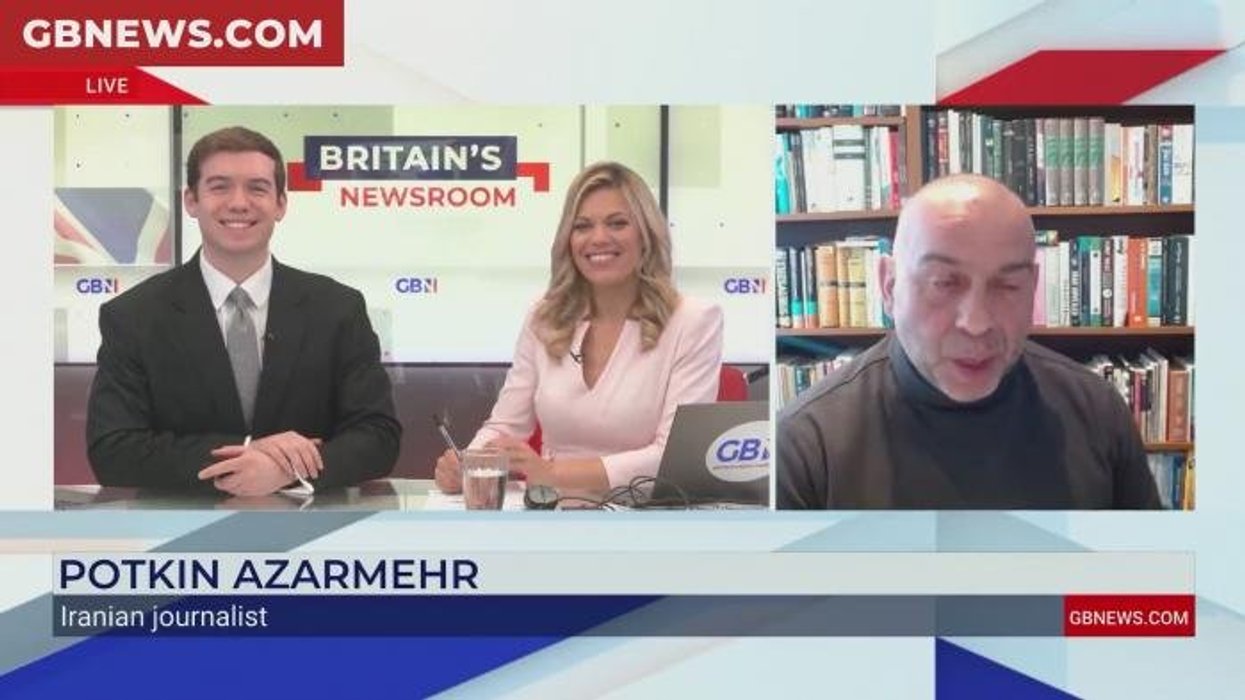




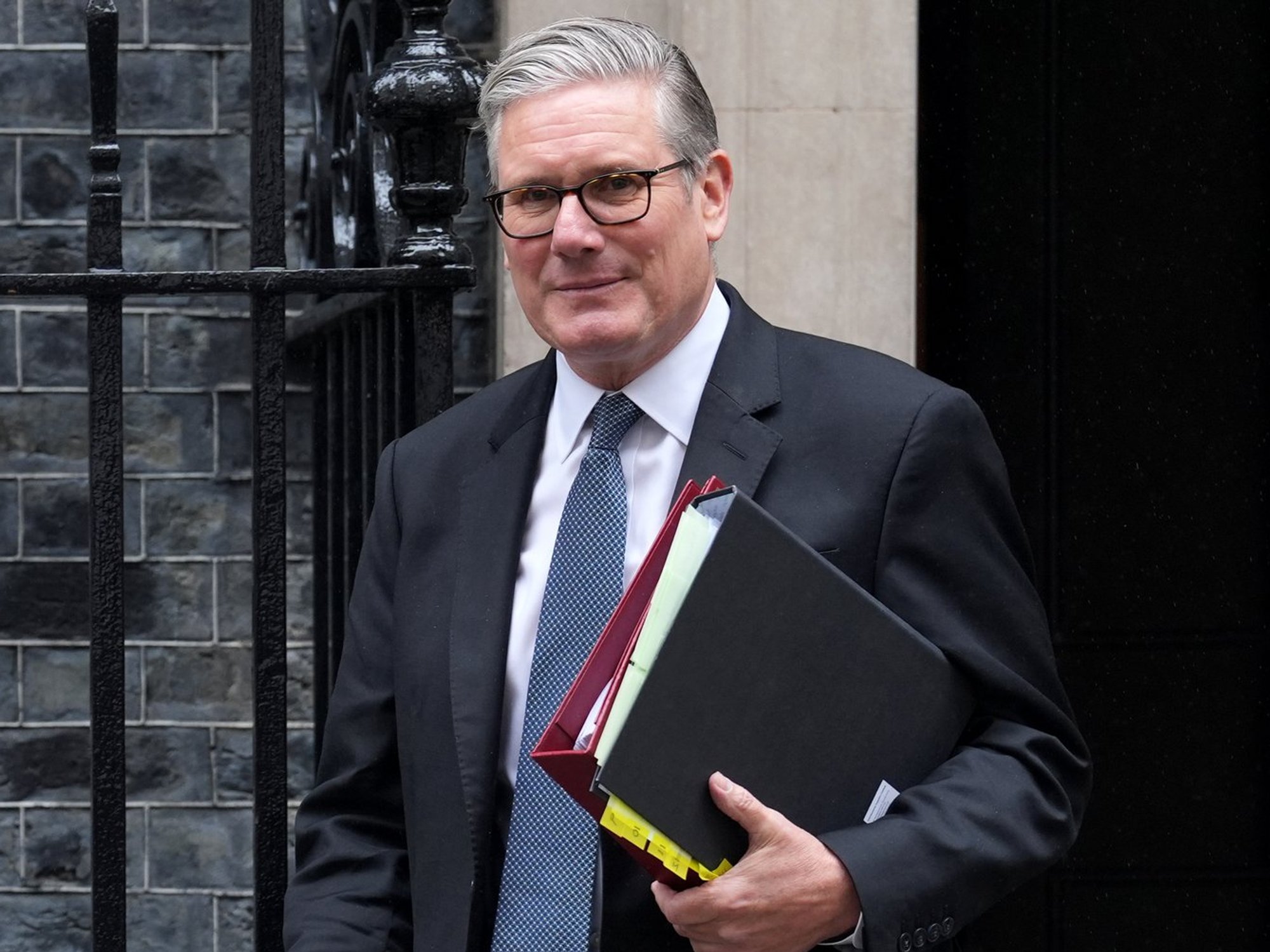
Iranian journalist Potkin Azarmehr has cast doubt on Sir Keir Starmer's approach to diplomatic engagement with Tehran, questioning the fundamental viability of any negotiations.
Speaking to GB News, Mr Azarmehr raised concerns about the current power structure in Iran, asking: "Does Keir Starmer realise that there isn't a central command in Iran at the moment? Who exactly is he going to negotiate with?"
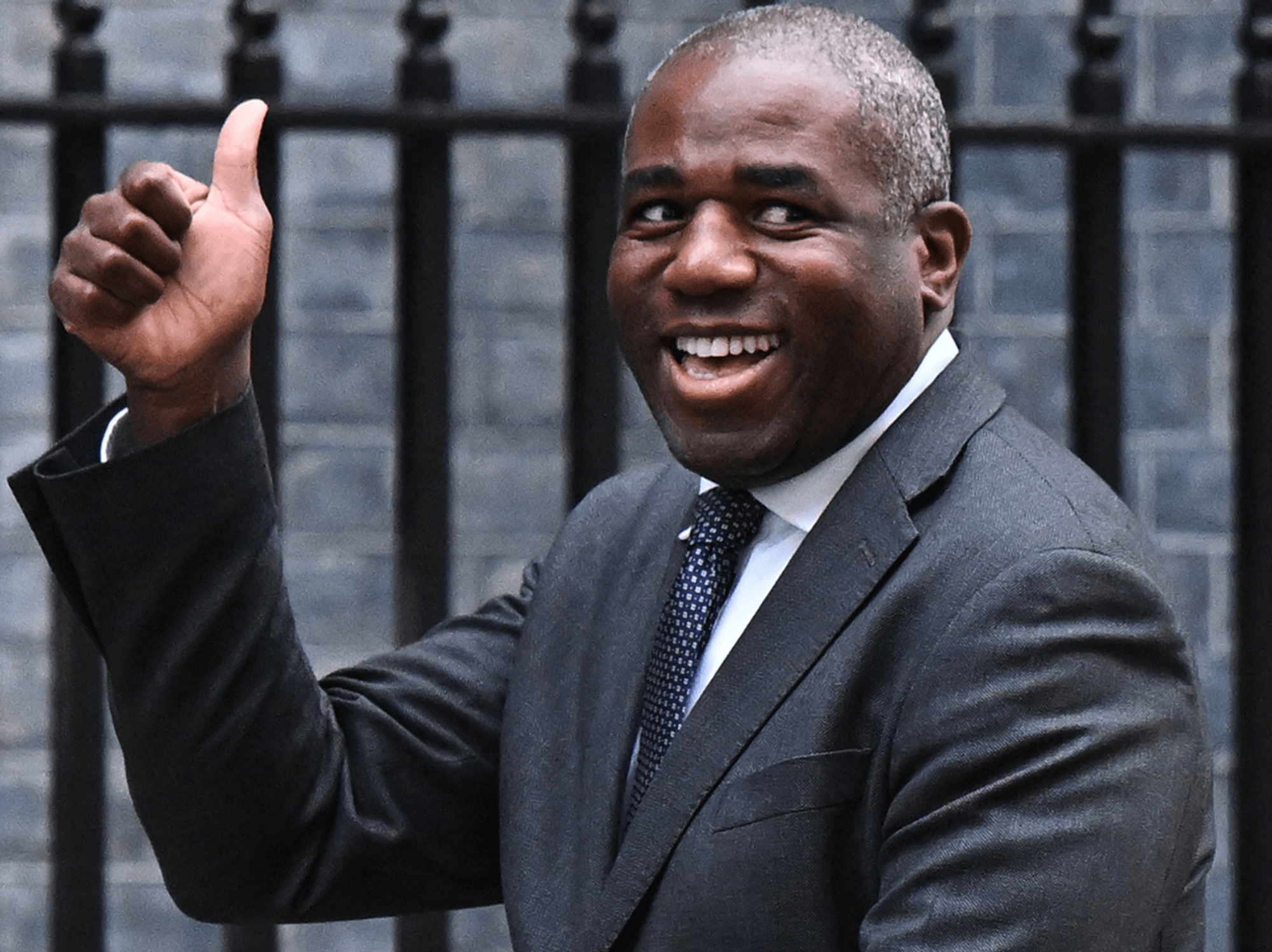
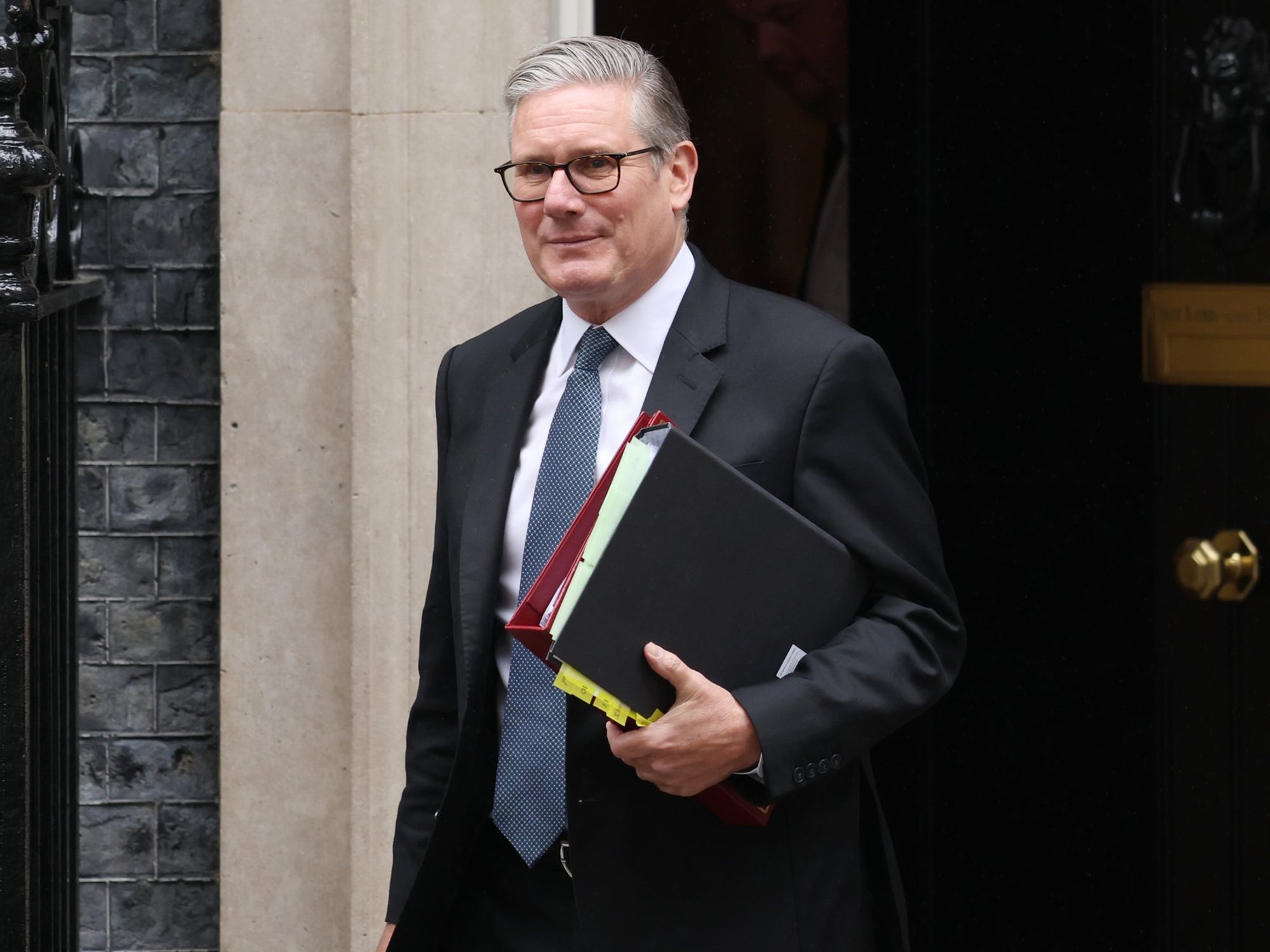
At a Downing Street press conference on Thursday, the Prime Minister made clear that the "long-standing British position" is that the "best way forward for the region and the world is a negotiated settlement with Iran", where they "give up their nuclear ambitions".
He said: "That’s why I took the decision that the UK would not join the initial strikes on Iran by the US and Israel.
TRENDING
Stories
Videos
Your Say
"That decision was deliberate, it was in the national interest and I stand by it."
Reacting to the remarks on GB News, Mr Azarmehr explained that Iranian authorities are currently operating through "parallel units" rather than a unified leadership structure.
He said: "For negotiating with another country, you need some sort of central figure or central body. That central command is now missing."
While acknowledging that negotiated settlements have their place, Mr Azarmehr expressed serious reservations about the Prime Minister's diplomatic capabilities based on past performance.
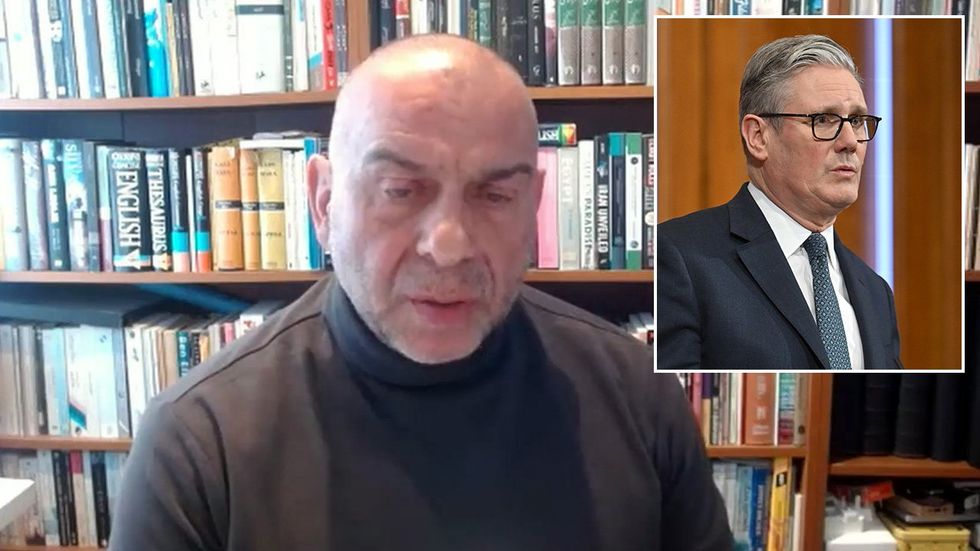
Iranian journalist Potkin Azarmehr has criticised Keir Starmer's calls for a negotiated settlement to end the war in the Middle East
|GB NEWS / PA
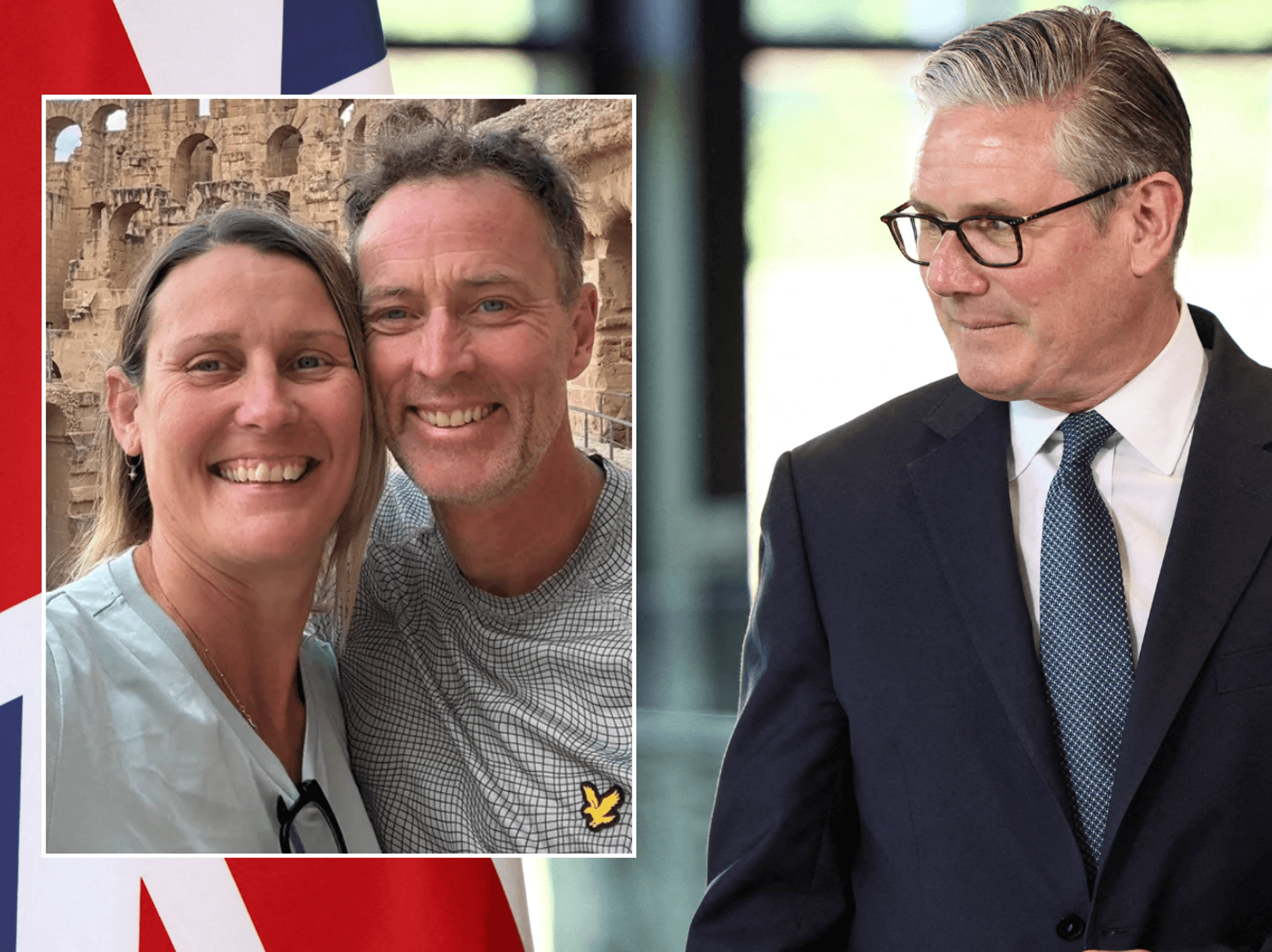
He pointed to the case of Craig and Lindsay Foreman, a British couple detained in Iran approximately a year ago who have since received a decade-long prison sentence.
"What exactly did Keir Starmer negotiate for them?" he asked.
The journalist also highlighted what he described as an imbalance in UK-Iran relations, noting that Tehran has established multiple soft power outlets across Britain, including several state television operations in London.
Meanwhile, the British Government has failed to secure the reopening of either the British Council or the BBC's Tehran office.
LATEST DEVELOPMENTS
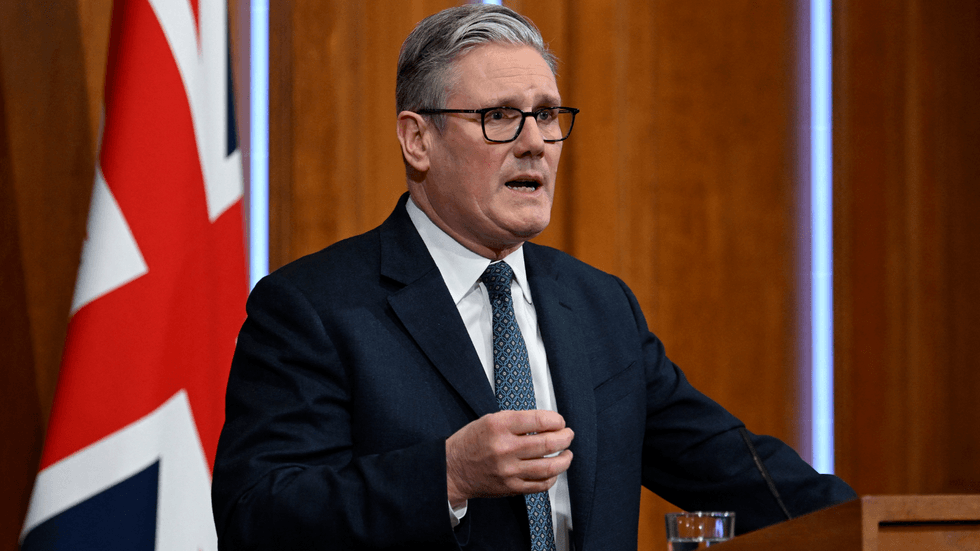 The Prime Minister said it was his 'strong view' that Washington and Tehran must pursue 'de-escalation' | GETTY
"So looking at his track record, would you trust him to reach a negotiated settlement? I wouldn't," Mr Azarmehr stated.
Mr Azarmehr spoke with certainty about public sentiment within Iran, asserting that an overwhelming majority of the population desires nothing short of regime change.
He noted a significant shift in attitudes following what he described as "the massacre in January," stating that even Iranians who had previously been staunchly opposed to foreign military action have changed their position.
"Even they started saying, look, there's nothing else that can be done. We cannot match the brutality of this regime. We don't have the power to take on the regime. We need foreign help," he explained.
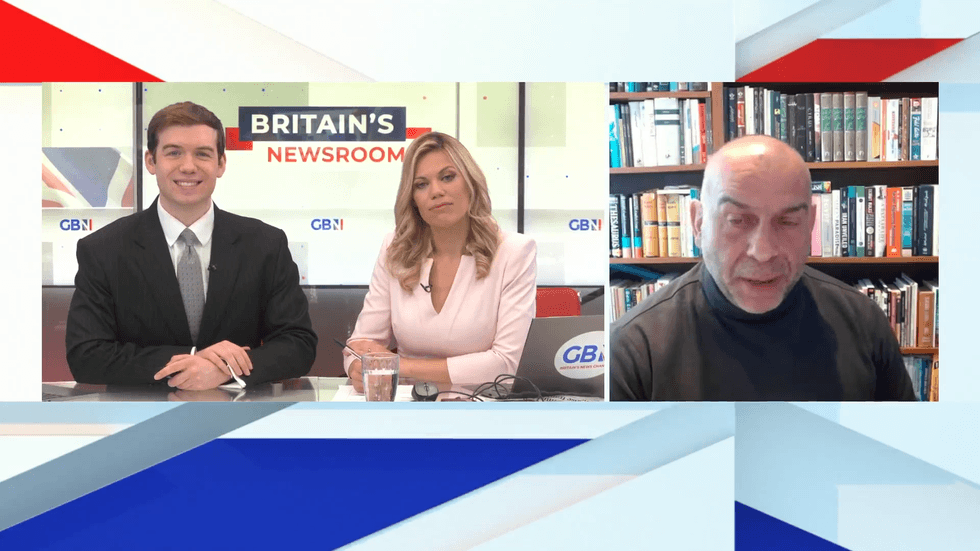
Mr Azarmehr told GB News he 'wouldn't trust' Keir Starmer to negotiate with Iran
|GB NEWS
The journalist emphasised that this represents a fundamental change in how ordinary Iranians view external assistance.
Mr Azarmehr confirmed that, to his knowledge, Iranian citizens remain supportive of ongoing military intervention against the regime.
"The vast majority of the Iranian people want nothing but regime change, and at the moment, until now, as far as I know, they're still happy with the military intervention to continue," he told GB News.
Looking ahead, the journalist suggested that the timing of any transition must be determined by those inside the country.
He expressed confidence that when Iranians judge the moment to be right, they will be positioned to overcome what remains of the current regime, with any alternative government emerging organically from within Iran itself.
More From GB News