









Labour finally brought an end to 1,000 years of British history on Wednesday after hereditary peers sat in the House of Lords for the final time.
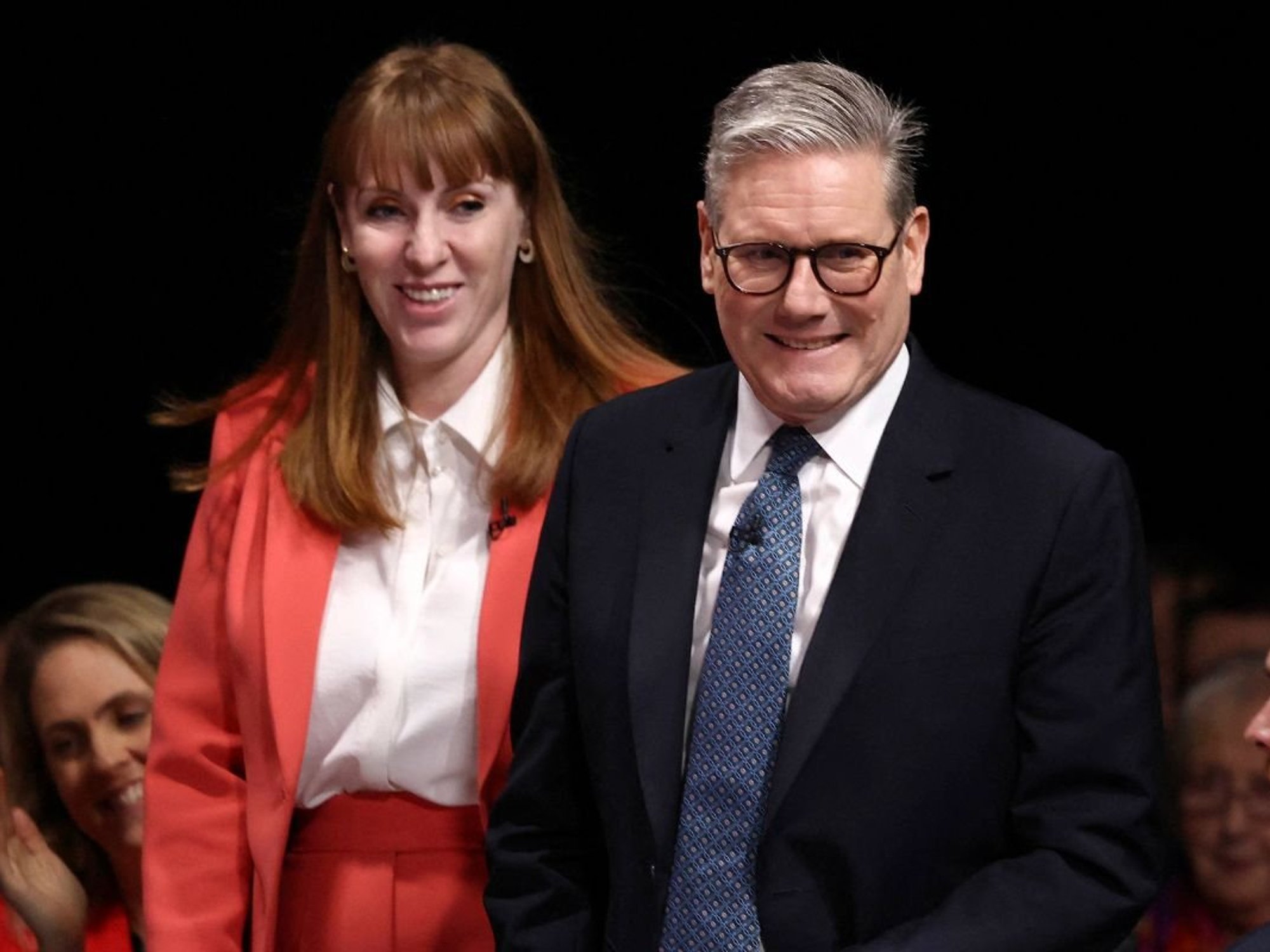
Sir Keir Starmer vowed to axe the peers during the 2024 election, with the House of Lords Act passing last month.
It came into effect on Wednesday as the current session of Parliament came to a close.
The historic day was marked with a farewell reception, where Lord Forsyth of Drumlean, the Lord Speaker, thanked the 92 peers for their service.
He told the gathering: "For close to a thousand years, hereditary peers and their families have helped to shape our institutions, defend our country, preserve our culture and strengthen that spirit of public service without which no nation can flourish.
"Hereditary peers have brought distinctive qualities to this House - an ethos of service, a long view and, not least, independence of mind.
"They have often shown a willingness to speak plainly, to resist passing fashions, and to act according to conscience rather than convenience."
Hereditary peers - who inherit their titles through their families - saw their numbers in the upper chamber slashed from more than 600 to just 92 under Tony Blair's sweeping reforms in 1999.

Sir Keir Starmer vowed to axe the peers during the 2024 election, with the House of Lords Act passing last month
| REUTERSHowever, 15 hereditaries - including Conservative peers and a small number of crossbenchers - have been granted permission to stay on in the chamber as life peers.
Ministers said they were excluded from the move to ensure the House of Lords "can continue to function effectively, and the experience of some departing hereditary peers is not lost".
The overhaul has come under fire from departing hereditary peers, with Lord Strathclyde branding it a "sad and miserable day".
He argued: "The hereditaries were only 10 per cent of the House.
LABOUR - READ THE LATEST:
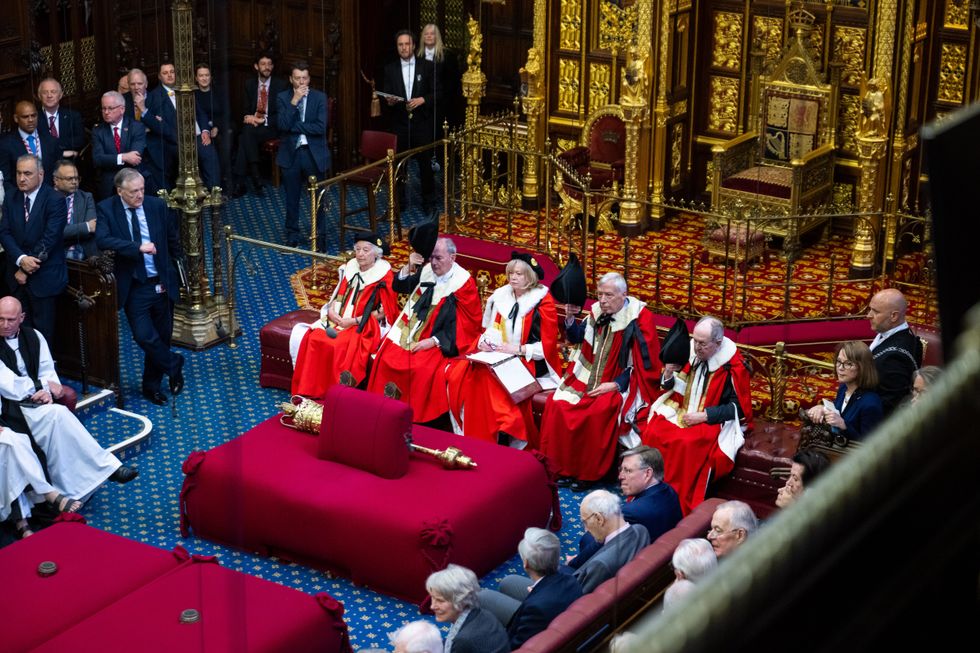
A small number of Conservative and crossbencher hereditary peers have been granted permission to stay on
|UK PARLIAMENT
"They did no harm and provided historical perspective, so this just feels wrong."
Meanwhile, Lord Salisbury - a retired Conservative peer - said he felt "quite sentimental" about the ancient tradition being brought to a close.
He said: "When I was negotiating with Tony Blair all those years ago, I was clear that if you simply remove the hereditaries, you leave a purely nominated chamber," he said.
"What you have is an extraordinary increase in the power of patronage of the prime minister, and that is a very powerful political tool."

The majority of hereditary peers were axed by Tony Blair under his sweeping reforms in 1999
|GETTY
Labour's 2024 manifesto launched a scathing attack on hereditary peers, labelling them "indefensible".
The document read: "Too many peers do not play a proper role in our democracy... And because appointments are for life, the second chamber of Parliament has become too big."
Sir Keir Starmer has since added 96 peers to the House of Lords.
Cabinet Office Minister Nick Thomas-Symonds, meanwhile, said hereditary peerages "are an archaic and undemocratic principle".
"I am proud that we have fulfilled a key manifesto pledge of this Government," he said just weeks ago.
"Our Parliament should always be a place where talents are recognised and merit counts. It should never be a gallery of old boys' networks, nor a place where titles, many of which were handed out centuries ago, hold power over the will of the people."
The vast majority of the House of Lords is comprised of life peers - with more than 800 able to sit in the upper chamber for the duration of their lives.
The Church of England's bishops and archbishops also have 26 places assigned to them.
Members of the Lords are appointed by the Monarch on the advice of the Prime Minister, often based on recommendations from the Independent House of Lords Appointments Commission.
Our Standards: The GB News Editorial Charter