









US President Donald Trump has taken aim at his NATO allies over what he regards as a lack of support for his military adventure in the Middle East.
European states have proved to be very reticent to commit their own forces to the US/Israeli onslaught on Iran, none more so than the UK, with Prime Minister Sir Keir Starmer saying “it’s not our war” and initially denying US forces use of their bases in the UK and Diego Garcia for anything other than “defensive purposes”.
After talks with NATO Secretary General Mark Rutte at the White House earlier this week, Trump again vented his ire, saying on his Truth Social media account that (in all capital letters) “NATO WASN’T THERE WHEN WE NEED THEM, AND THEY WON’T BE THERE IF WE NEED THEM AGAIN”.
On several occasions in the recent past, Trump has floated the idea of withdrawing the USA from NATO altogether, although this seems unlikely to happen.
Despite his criticism of the European lack of commitment in the past, the US needs NATO just as much as NATO needs the US, although Trump will never say it.
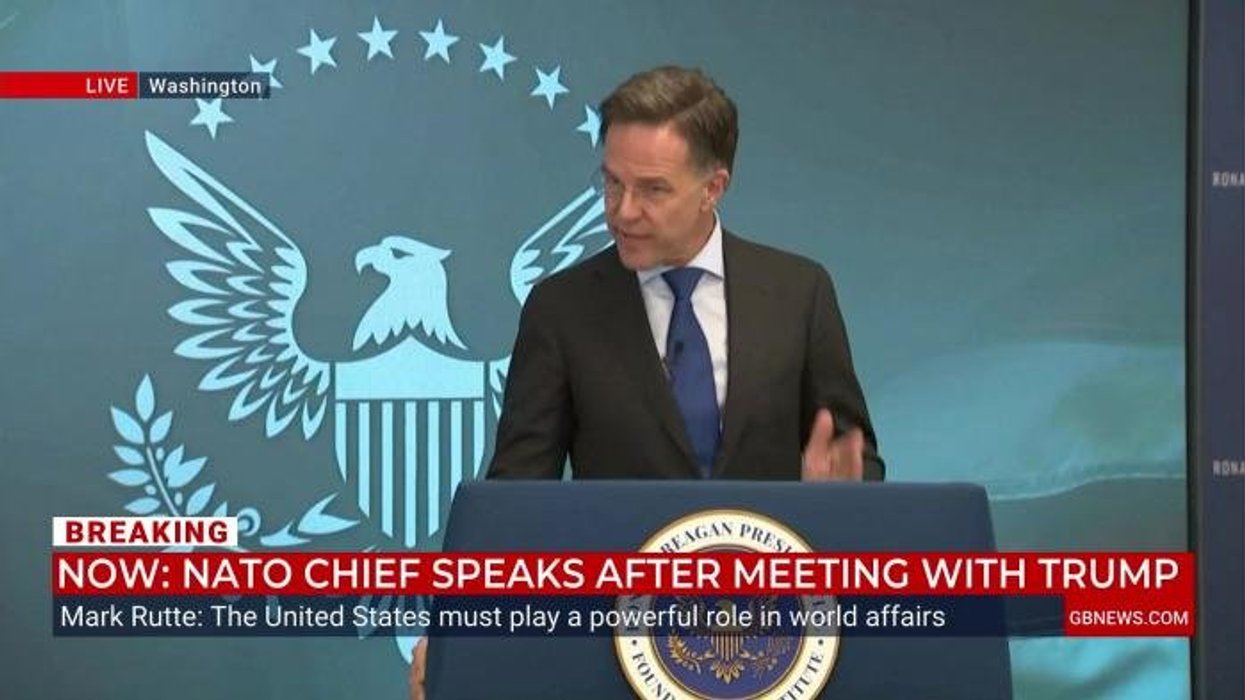
For his part, Nato Secretary General Rutte admitted that his talks with the President had been frank and open with clear disagreements.
While Trump obviously has deep misgivings about the lack of support for his Operation Epic Fury, it was pointed out to him that several European Nato allies had been helpful with overflights and logistics.
Europe’s reluctance to become fully involved is, I think, understandable. Nato is above all else a defensive alliance, and the US/Israeli operations against Iran are clearly not defensive in nature.
Nor did Trump consult with his allies or try to involve them in the planning, so I think they have a point. That said, it’s pretty clear that the transatlantic part of the Alliance has been dented and now needs to be repaired and trust restored.
That is going to be a slow process and will not happen overnight, and if the Iran war flares up again – which seems very likely given the lack of agreement on the basic ceasefire terms – and it will be tested again.
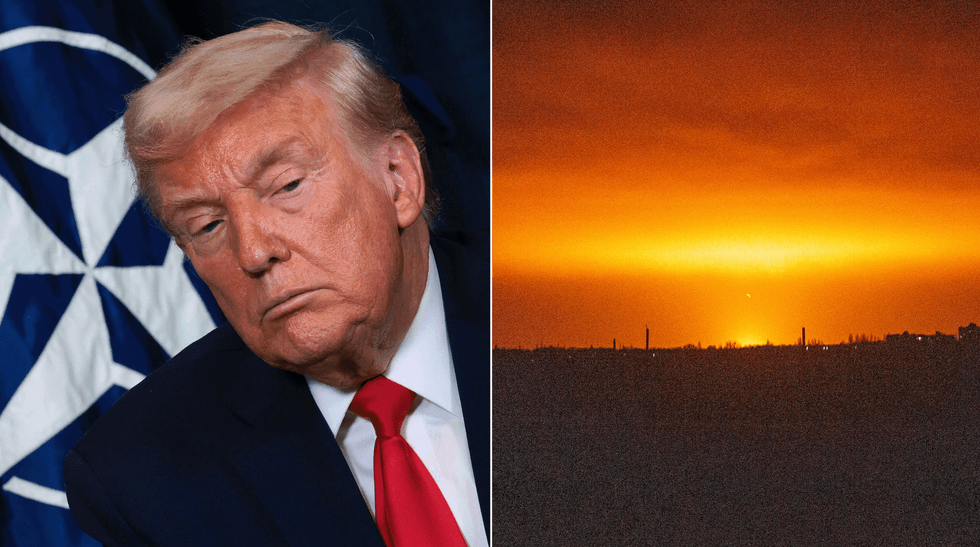
Donald Trump's plan to punish Nato is about to collide with an immovable object: revanchist Russia
|Getty Images
The process of reconciliation has already started. At the London Defence Conference today (Friday 10), British Defence Secretary John Healey, just back from the Middle East, said that the US retains a “very deep commitment to NATO” but that there is a “requirement of other Nato countries, particularly European ones, that they step up”.
But he accepts that there is a fundamental long-term change in the US relationship with the alliance. How this will all resolve itself remains to be seen, but Nato remains relevant to the US and Europe because revanchist Russia is the main threat to European security and multiple US interests both there and in the Atlantic.
Russian naval vessels have been sniffing around the UK’s undersea cables network, which carries everything from fuel and electricity to internet connections to Europe and North America, for ages.
Disrupting these would have a major impact. Nato may be under strain after recent events, but it’s nowhere near time to give up on it yet. There is too much at stake.