





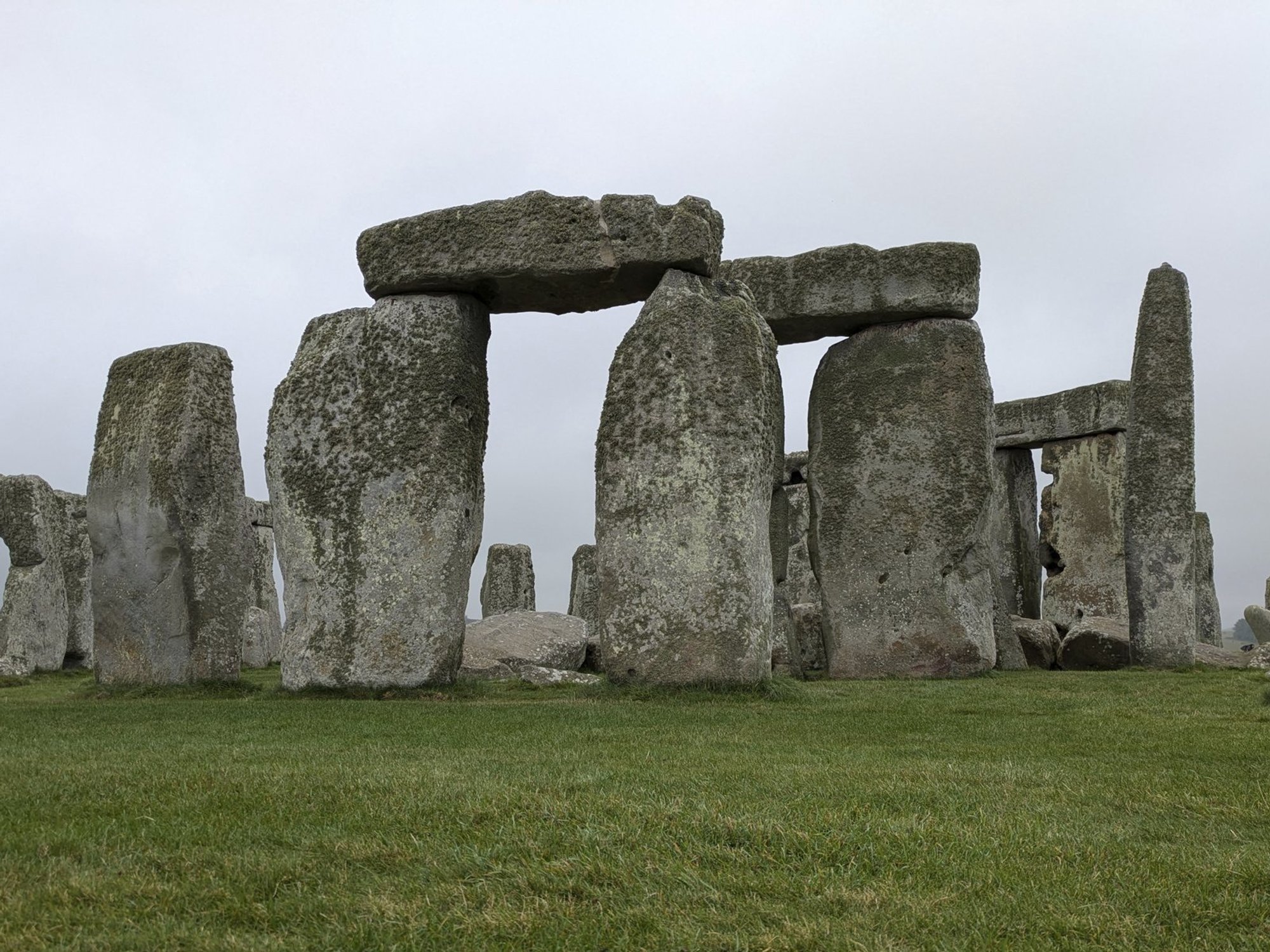




David Lammy has announced plans to change the centuries-old name of the High Court's Chancery Division.
The historic court will instead be known as the "Business and Property Division" following a restructuring of High Court divisions.
Officials justified the change on efficiency grounds, arguing it will "make it easier for court users to understand where to bring their cases, improving clarity and access to justice".
Critics have questioned whether experienced lawyers genuinely require such assistance in determining where to file claims and expressed dismay a name embedded in English cultural heritage could be discarded so readily.
The name carries profound literary weight in English culture.
Charles Dickens chose the Chancery Court as the atmospheric centrepiece of Bleak House, opening his novel with proceedings in Lincoln's Inn Hall shrouded in winter fog, where "at the very heart of the fog, sits the Lord High Chancellor in his High Court of Chancery".
Gilbert and Sullivan built an entire comic opera around the institution.
Iolanthe features Phyllis, an Arcadian shepherdess who, as a ward of the Chancery, needed the Lord Chancellor's consent to wed, complicated by his own romantic interest in her.
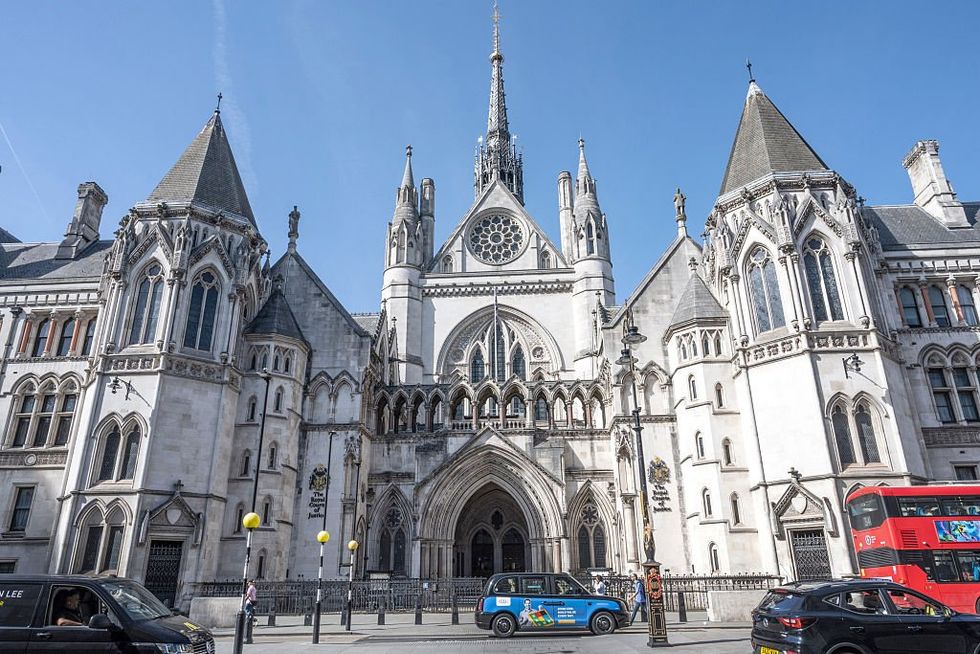
The historic court will instead be known as the 'Business and Property Division' following a restructuring of High Court divisions
|GETTY
Such works would have been fundamentally altered had their creators faced the prosaic "Business and Property Division" instead.
The chancery court traces its origins to the early 1300s, making it one of England's most ancient legal institutions.
Until the Reformation, the Lord Chancellor who presided over it was typically a member of the clergy.
The court emerged to address cases in which common-law judgements appeared excessively rigid.
LATEST DEVELOPMENTS
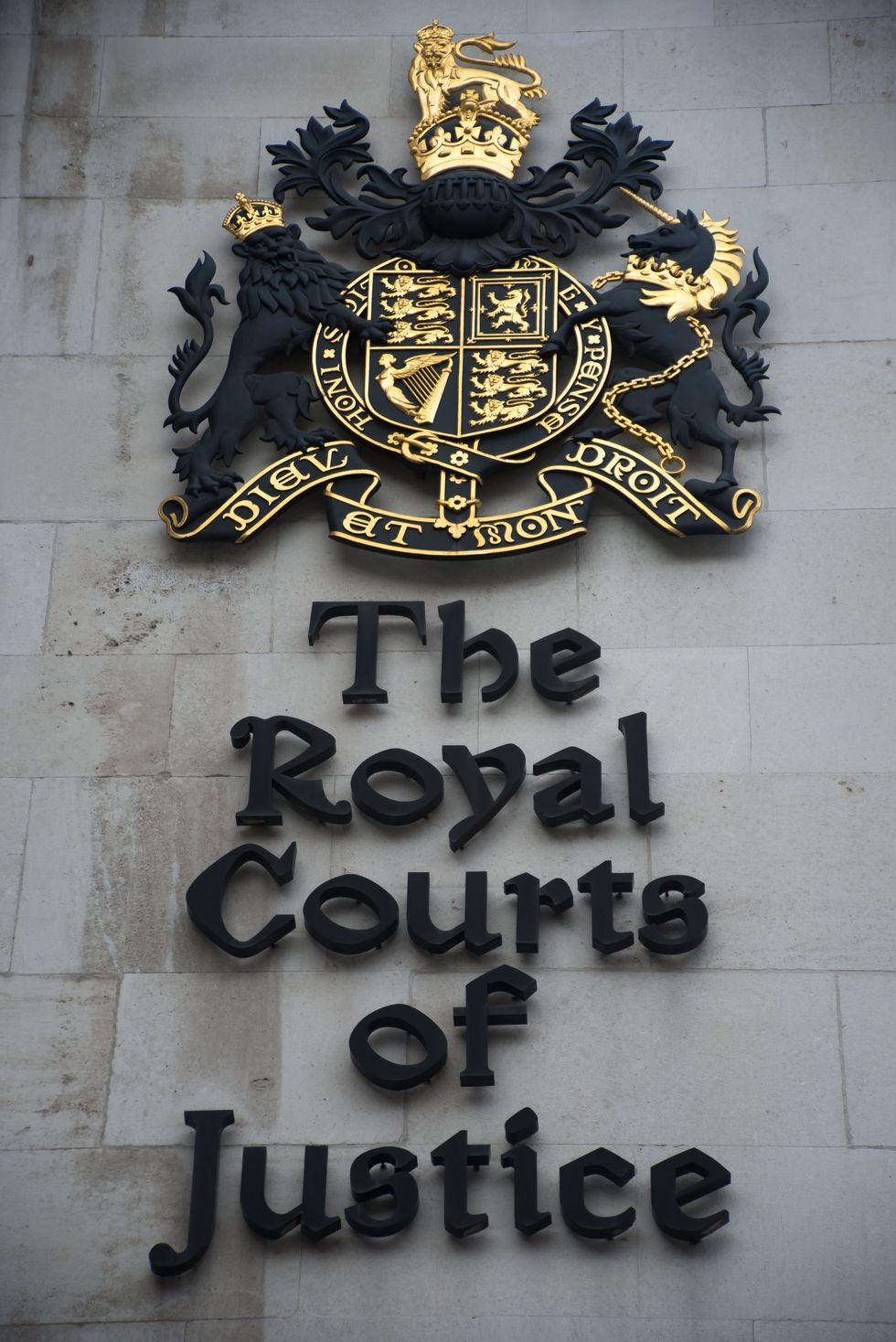
The court emerged to address cases in which common-law judgments appeared excessively rigid
|GETTY
Litigants seeking fairer outcomes would petition the Lord Chancellor, who would apply Christian principles to examine matters of conscience.
This would include whether the parties had dealt honestly, honoured their commitments, or exploited others' trust.
Mr Lammy is also currently pushing to scrap jury trials in England and Wales for crimes carrying a likely sentence of less than three years.
The most serious cases, such as murder, terrorism and rape, will retain juries.
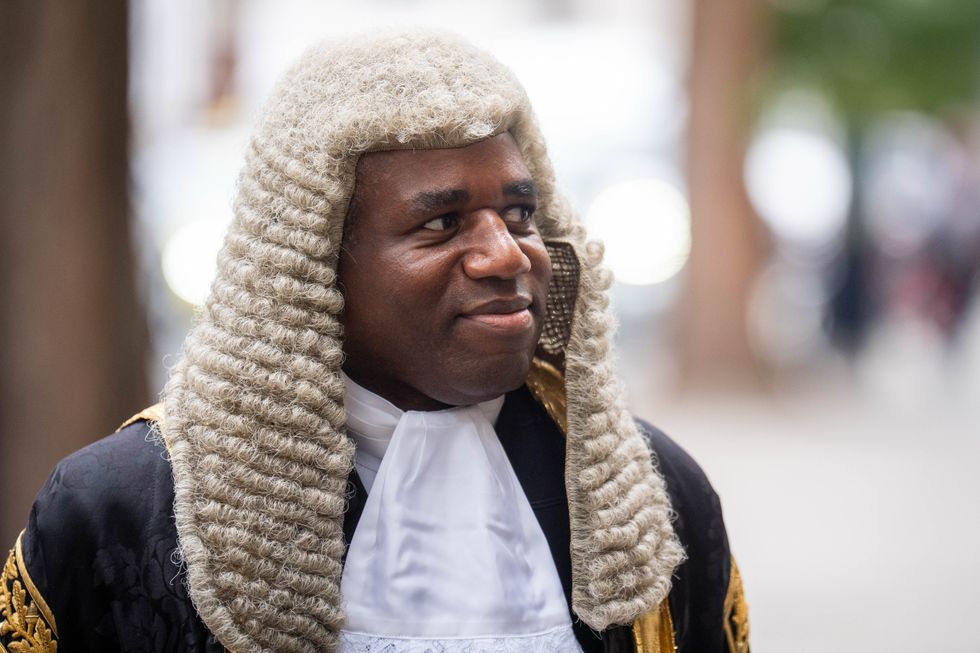
David Lammy has announced plans to change the centuries-old name of the High Court's Chancery Division
|PA
According to Government figures, the policy is designed to address a Crown Court backlog exceeding 70,000 cases and deliver justice about 20 per cent faster.
Critics, such as campaigners and opposition voices, argue the move risks eroding fundamental rights and disproportionately impacts everyday citizens.
Around 60 Labour MPs have signed a letter calling for the plans to be reconsidered.
Sir Keir Starmer is fully backing Mr Lammy against calls to dilute the reforms.
Our Standards: The GB News Editorial Charter