

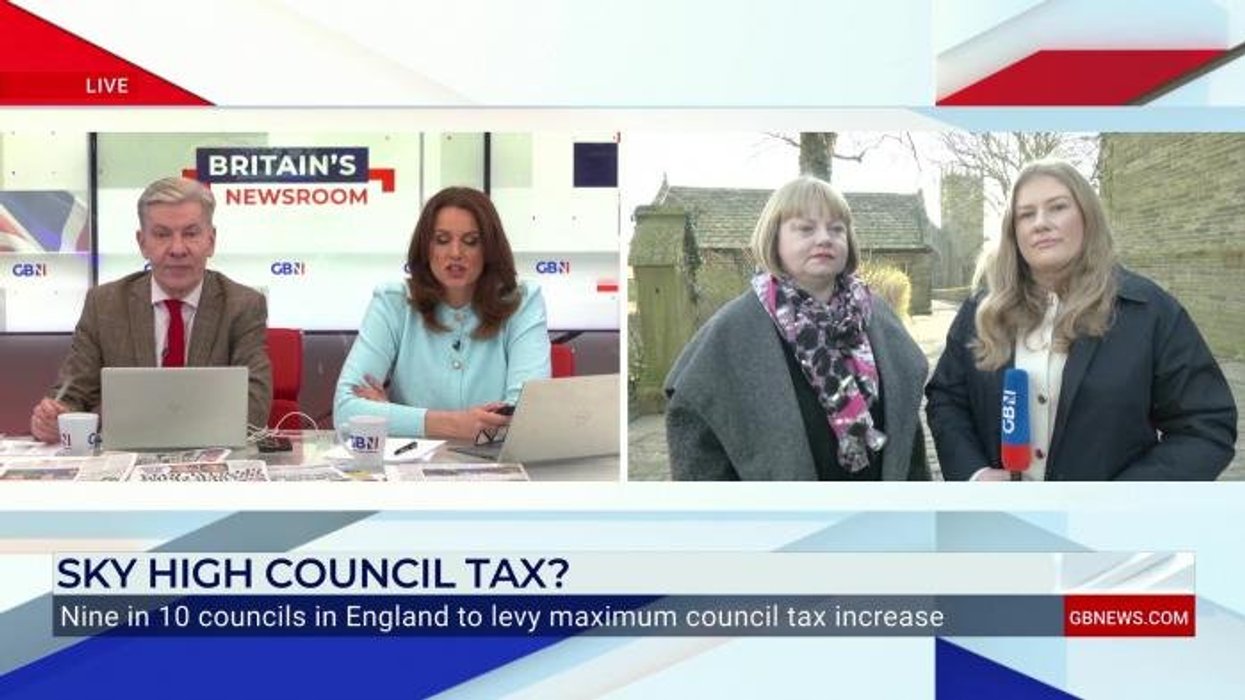





Labour's restructuring of council funding will force approximately two thirds of local authorities across England to increase council tax bills, according to new analysis.
The reforms, spearheaded by Angela Rayner during her tenure as Deputy Prime Minister, redirect resources away from central London and the home counties, instead putting them towards northern regions and outer London boroughs.
As a result, some 210 local authorities face funding reductions over the coming three years, even after accounting for inflation-level council tax rises. In contrast, just 105 councils will see their allocations increase.
On average, affected councils must contend with a six per cent decline in funding, leaving them to bridge the gap through higher local taxation or reduced services.
TRENDING
Stories
Videos
Your Say
However some councils are set to lose astonishing levels of funding.
Windsor & Maidenhead faces an 87 per cent reduction in funding over the next three years, whilst Surrey - home to more than 1.2 million residents - faces a 65 per cent cut, according to Conservative analysis of House of Commons Library data.
By contrast, Labour-controlled Worthing in West Sussex emerges as the greatest beneficiary, receiving a 61 per cent funding boost.
Meanwhile Enfield, Luton and Harlow similarly enjoy increases exceeding 50 per cent.
Ministers have already waived referendum requirements for six councils wishing to raise council tax beyond the standard five per cent threshold.
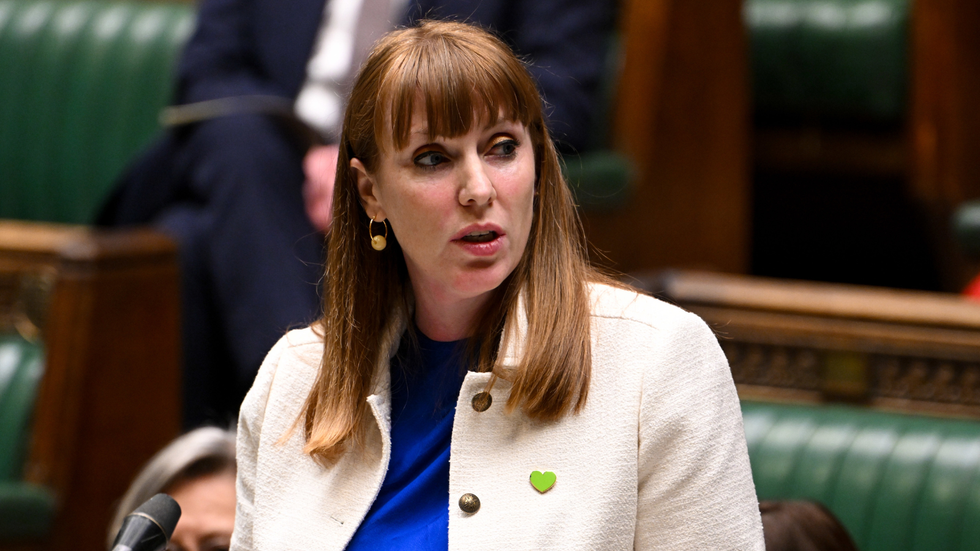
Angela Rayner's restructuring of council funding will force approximately two thirds of local authorities across England to increase council tax bills
| HOUSE OF COMMONSThese exemptions apply to Kensington & Chelsea, Hammersmith & Fulham, Wandsworth, Windsor & Maidenhead, Westminster and the City of London.
James Cleverly, the shadow local government secretary, condemned the approach: "Rather than increasing government funding, Labour are presiding over an unprecedented hike in council tax bills.
"The government is gaslighting taxpayers by claiming town halls will receive more cash."
He added: "To add insult to injury, Labour are robbing Peter to pay Paul, punishing councils which set low council tax and rewarding the inefficient Labour boroughs which haven't kept their finances in good order.
LATEST DEVELOPMENTS
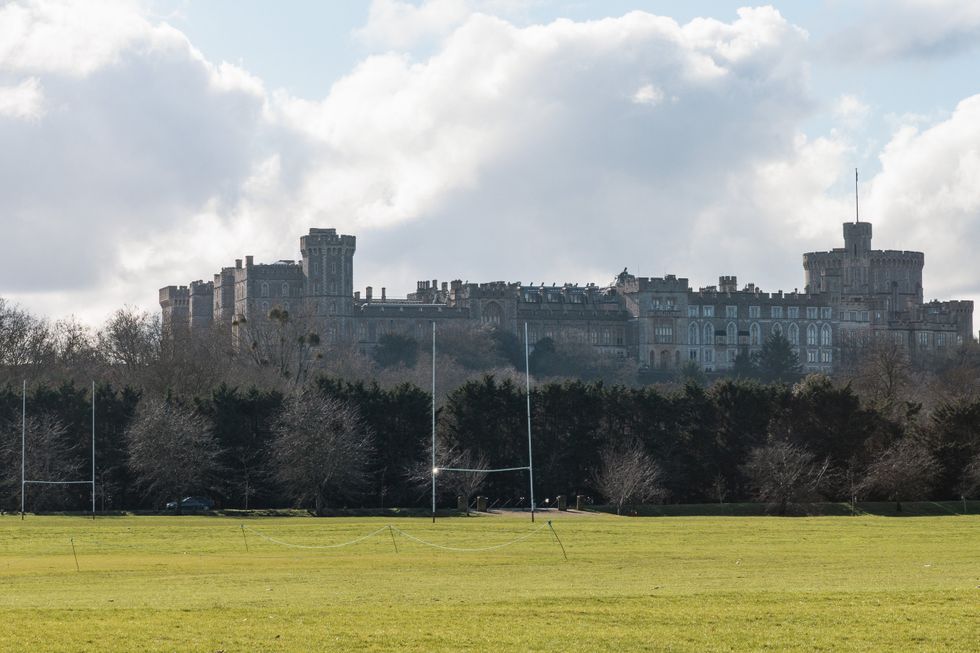
Windsor & Maidenhead faces an 87 per cent reduction in funding over the next three years
|GETTY
"This is fiddled funding, cooked up in Whitehall, but with town halls left to foot the blame."
Rural and county councils bear the heaviest burden from these changes.
Steven Broadbent, finance spokesman for the County Councils Network, questioned whether the Fair Funding Review lives up to its name.
He said: "Counties are most adversely impacted, and this is shown in our data: whilst nationally two thirds of local authorities will have to raise council tax so they don't face a real-terms cut in spending power, nine in ten county and rural unitary councils will have to use local taxation to prevent a cut."
Mr Broadbent warned that county leaders face "impossible choices on what services to reduce and an unhealthy reliance on emergency support", urging the government to reconsider its approach.
Government grant funding will cover merely 2p of every additional pound in costs that county and rural unitary councils face, compared with 42p for urban authorities.
Eight in 10 county councils have indicated they may reduce bin collections and recycling services, even while raising local taxes.
As many as 100 councils are anticipated to seek exceptional financial support, potentially enabling them to exceed the five per cent council tax cap.
A government spokesman defended the reforms as "fixing the broken funding system we inherited, making £78billion available to councils across the country" and eliminating "regional divides and postcode lotteries".
Our Standards: The GB News Editorial Charter
More From GB News