





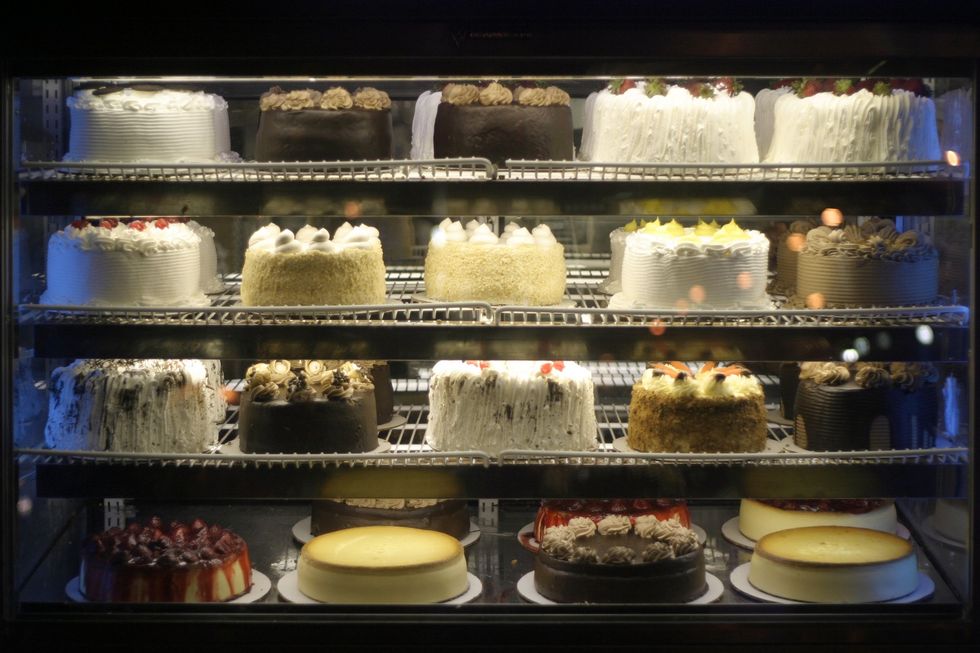
Oven chips and cakes could be forced into the bin rather than put on shop shelves under a potential post-Brexit food trade deal.
Discussions over the deal began last May as part of a sanitary and phytosanitary agreement - a bid to simplify trade for farmers and food producers while reducing bureaucratic burdens and export costs.
But industry bodies have now warned the deal would require the UK food sector to adopt more than 400 EU rule changes.
This alignment could render food already planted, harvested or frozen unsellable if it was produced using pesticides that Brussels has since prohibited.
TRENDING
Stories
Videos
Your Say
Karen Betts, the chief executive of the Food and Drink Federation, highlighted the lengthy production timelines that make this particularly problematic.
"If you look at potatoes going into oven chips or crisps, it's a three-year cycle from planting your potato to it appearing in an oven chip in a supermarket freezer," she said.
"So if your potato was grown using a pesticide that is not approved by the EU, then potentially, when it gets to supermarket sale in three years' time, it is not going to be allowed to be sold."
Baked goods face similar difficulties, with wheat potentially stored as grain for a year before being milled and kept for another year prior to becoming cake ingredients.
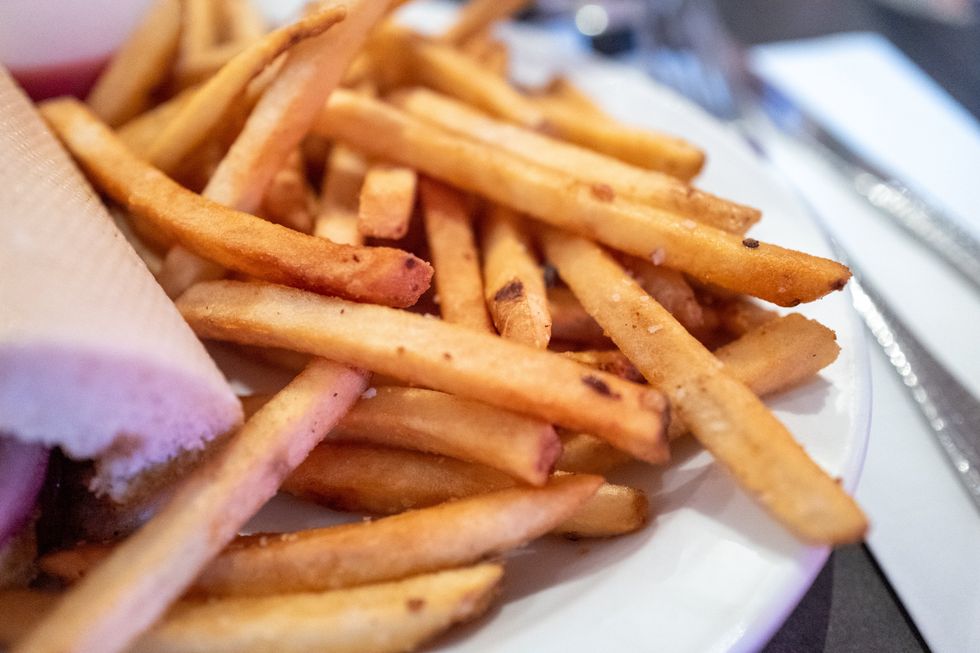
Oven chips could be binned as part of new EU regulations
|GETTY
"Businesses are going to have to change that supply chain because that pesticide is no longer approved," Ms Betts explained.
British food regulations stayed the same when the UK left the EU - but Brussels has continued updating its rules in the years since.
Ms Betts noted that closer alignment has revealed "more than 400 amendments that companies will have to comply with where EU law has changed while UK law has not".
Smaller enterprises which conduct little or no business with Europe are anticipated to bear the heaviest burden, having been less likely to monitor Brussels' evolving rule changes.
READ MORE ON BREXIT:
- 'Brainwashed by Brussels!' British children taught 'European Integration' as UK schools forced to fly EU flag under Labour's controversial Erasmus scheme
- Rejoining the EU will cost £22billion a year warns former Vote Leave chief
- ‘We have one chance to stop this!’ Brexiteers draw up battle plan to stop Keir Starmer’s EU reset betrayal
Ministers have asked for a grace period to allow good being made to pass through the new rules
|GETTY
Yet the concerns extend beyond modest operations.
Sources indicated that numerous major companies have also privately voiced significant worries about the forthcoming regulatory shifts.
Despite these challenges, Ms Betts maintained that moving closer to EU standards "is the right thing to do" from a strategic perspective.
The Food and Drink Federation is pressing ministers to establish transition periods allowing products already within supply chains to continue being sold.
"If we don't, we'll end up with loads of food waste and those oven chips being dumped when you know really they shouldn't be," she warned.
A Government spokesman stated: "Our food and drink deal will deliver billions for British industry; a smooth transition is critical to unlocking that growth."
Ministers expect negotiations to conclude by summer, with legislation subsequently introduced to incorporate EU rules into British law.
Our Standards: The GB News Editorial Charter