









Free speech campaigners are launching a legal challenge against the Government over plans to introduce an official definition of “anti-Muslim hostility”, warning it could become a “blasphemy law by the back door”.
Campaigners warn the outcome of the case could shape the future boundaries of free speech in Britain, particularly when it comes to discussion of religion, belief and cultural issues.
The challenge is being mounted by the Free Speech Union, which says the proposal risks silencing legitimate debate about religion and could lead to tens of thousands of complaints every year.
The group is also challenging the Government’s decision to appoint an “anti-Muslim hostility tsar” tasked with overseeing how the definition is applied.
TRENDING
Stories
Videos
Your Say
Critics fear the move could suppress free speech by encouraging organisations and institutions to punish people accused of offending Muslims - even when no law has been broken. They say existing legislation already protects people from discrimination.
The union’s director, Lord Young Toby Young, warned the policy represents a major threat to open debate.
“This is the most serious threat to free speech the Government has come up with so far - the only area in which it’s achieving any success,” he said.
“If we don’t win this fight, tens of thousands of people a year could lose their jobs at the say-so of a Labour-appointed ‘tsar’. It’s dystopian.”
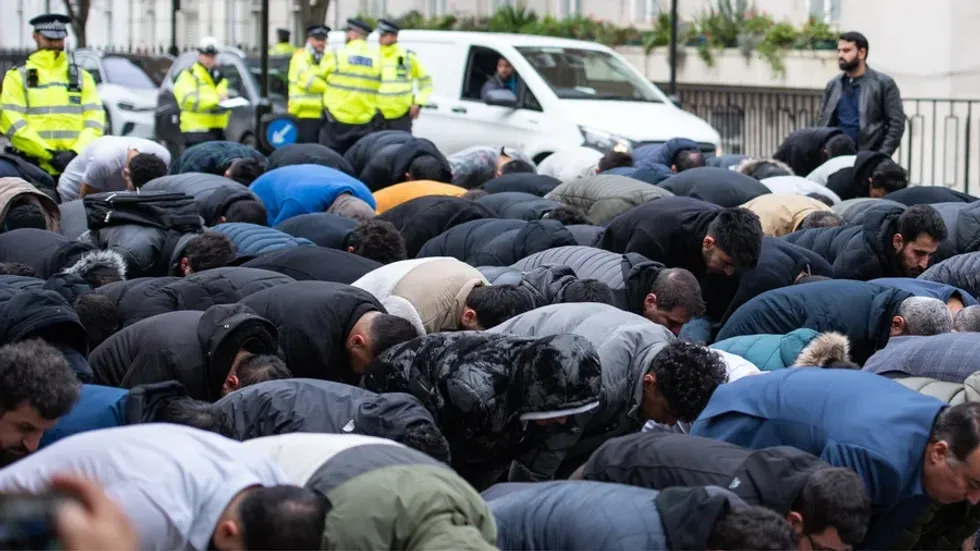
The Government formally unveiled its 'anti-Muslim hostility' definition on Monday
|GETTY
The Government has said the new definition - previously discussed under the label “Islamophobia” - is intended to help identify and respond to discrimination and hostility directed at Muslims.
But campaigners argue that the wording being proposed is too vague and subjective, and could be used to shut down criticism of religion or discussion of issues relating to Islam.
The Free Speech Union claims the definition includes unclear language such as “negative and prejudicial stereotyping of Muslims”, which it says lacks a precise legal meaning and could easily be misused.
The organisation argues that once the definition is adopted by government departments, councils, universities and other institutions, it could lead to people being put through disciplinary processes and losing their jobs, even though it has no formal legal status.
Campaigners point to the rapid growth in police recording of "non-crime hate incidents" - cases where speech is logged despite no criminal offence being committed.
LATEST DEVELOPMENTS:
Under current guidance, police can record incidents if someone perceives words or behaviour to be motivated by hostility linked to a protected characteristic.
Free speech advocates say the system has already led to hundreds of thousands of reports being logged over lawful comments.
The Free Speech Union fears the new definition could lead to a surge in complaints.
It has been estimated the new plan could result in around 20,000 reports of “anti-Muslim hostility” each year - a huge increase compared with the current number of recorded anti-Muslim hate crimes, which stands at roughly 4,000 a year.
Campaigners say the risk is that organisations will adopt the definition in order to demonstrate they are tackling discrimination - even if doing so means disciplining staff or investigating people over lawful speech.
The group argues that in a democratic society no religion should be protected from criticism or debate.
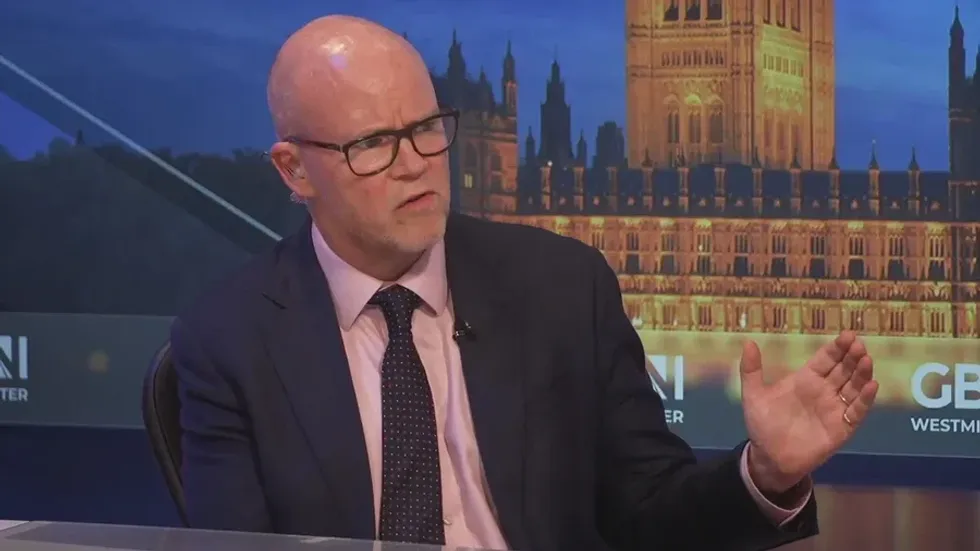
Lord Young Toby Young warned the policy represents a major threat to open debate
|GB NEWS
Supporters of the legal challenge say the proposal risks elevating one faith above others and could undermine long-standing protections for free expression.
The case being prepared by the Free Speech Union rests on two main legal arguments.
First, it says the proposed definition is irrational and incoherent because it relies on ambiguous and legally vague concepts.
Campaigners say this lack of clarity means it could be interpreted in widely different ways and “weaponised” against individuals.
Second, the group argues that the Government’s plan conflicts with existing legislation.
Under a constitutional principle ministers are not allowed to introduce new regulatory systems that effectively duplicate or replace areas already governed by law passed by Parliament.
In this case, the union argues that the body responsible for protecting people from discrimination - including Muslims - is the Equality and Human Rights Commission.
The watchdog already enforces equality legislation and investigates unlawful discrimination under the Equality Act 2010.
Campaigners say introducing a separate “anti-Muslim hatred tsar” risks creating a parallel system that cuts across the powers Parliament has already granted to the equality watchdog.
They argue this could make the proposal constitutionally unlawful.
The row has also revived a wider debate about blasphemy laws in the country.
Parliament abolished the England's historic blasphemy offences in 2008 after centuries on the statute book.
But critics of the new definition warn that the proposal could effectively reintroduce similar restrictions in practice - even if not formally written into criminal law.
Supporters of the Government’s approach argue that Muslims face significant levels of abuse and discrimination and that clearer guidance could help tackle prejudice.
The legal challenge is expected to be pursued through a judicial review, which could force the Communities Secretary, Steve Reed, to defend the policy in court.
The Free Speech Union has launched a crowdfunding campaign to help fund the case.
A Government spokesman said it would respond to the legal action in “due course”.
He added: “We are tackling Anti-Muslim hostility with a new non-statutory definition to make clear what is unacceptable prejudice and hatred targeted against Muslims whilst protecting the fundamental right to freedom of speech.”
More From GB News