







Seriously ill loved ones no longer must suffer from a lack of effective medicine, thanks to the recent UK-US trade deal.
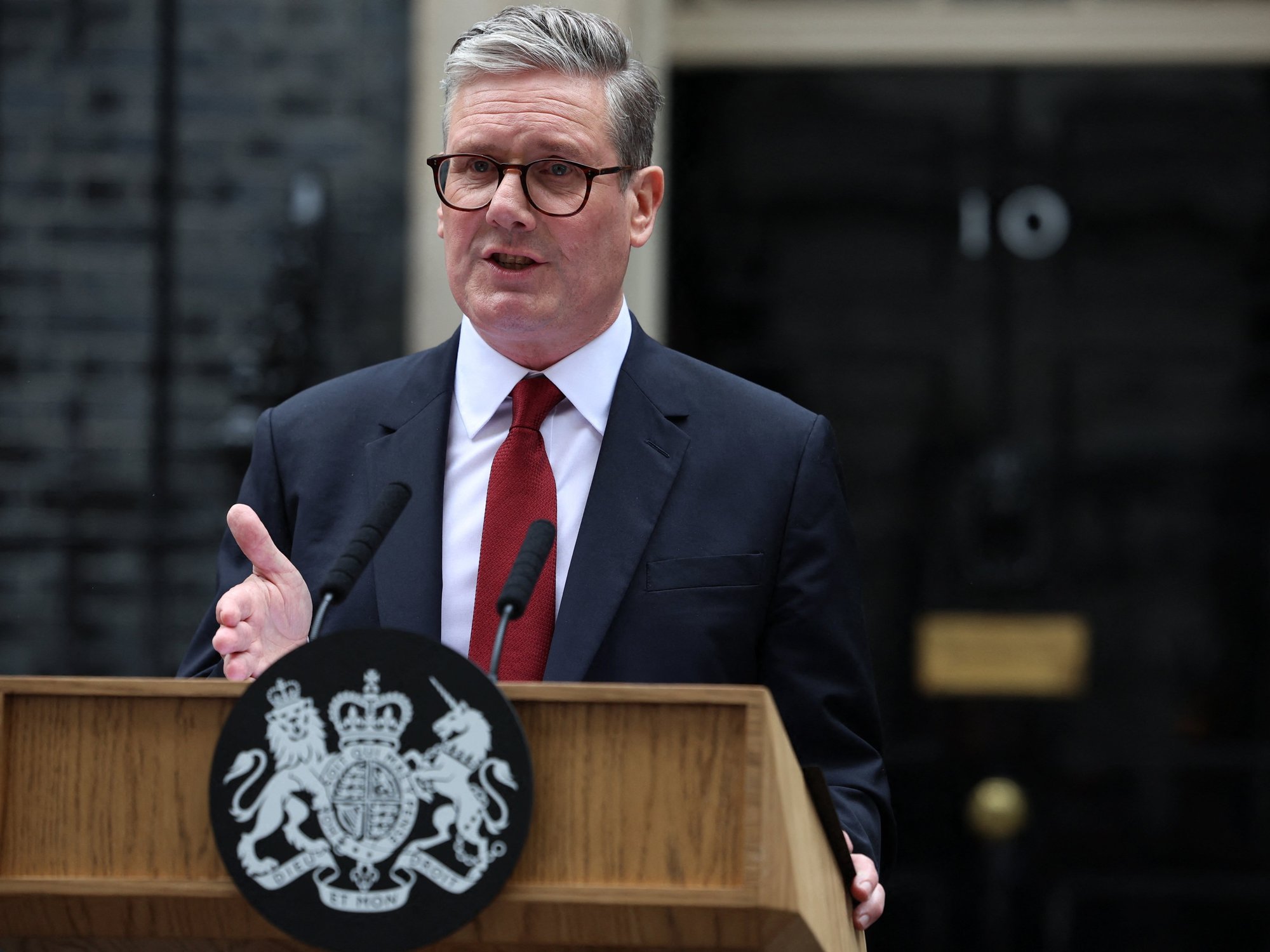
The deal, announced by Keir Starmer and Donald Trump, makes improved health options more likely. Under the terms, “wonder drugs” previously unavailable in Britain could be prescribed to patients on the NHS - if the NHS is willing to embrace a wider range of treatments.
Today, patients in Britain are often unable to access critical treatments available elsewhere. The UK suffers from a shortage of the vital digestive drug Creon. This has left cancer patients and others with severe conditions in a devastating situation. Meanwhile, Creon remains widely available in the US. The new trade deal could bridge that gap, offering new hope for those in need.
This isn’t about occasional supply shortages. In the US, patients have access to cutting-edge cancer treatments that UK regulatory hurdles deny to British citizens.
Likewise, those with multiple sclerosis in the US benefit from a wider array of treatments, while in the UK, such options are frequently limited to the wealthier few. The approval process for innovative treatments in UK clinical trials remains slow and complex, hindering access to life-changing care.
If a drug is approved for use in America, why should it not also be available in Britain?
It’s not just a regulatory problem.
Britain and other countries effectively ration expensive medicines due to their high costs. Scientific advances have driven pharmaceutical innovation, but progress comes with a steep price tag.
To determine which treatments are available on the NHS, medicines are approved based on a balance of cost and clinical effectiveness. At the same time, the NHS has used its considerable purchasing power to recoup the costs from the drug companies.
However, this approach has an unintended consequence: it often blocks British patients from accessing cutting-edge American treatments. UK regulators, cautious about approving costly new drugs with unproven efficacy, have little incentive to fast-track these innovations, leaving patients at a disadvantage.
From the US perspective, Britain appears eager to benefit from American-developed drugs — but only after American consumers have borne the costs.
Far from weakening the NHS, granting British doctors and patients access to US-developed treatments would ensure more people receive better, timely care.
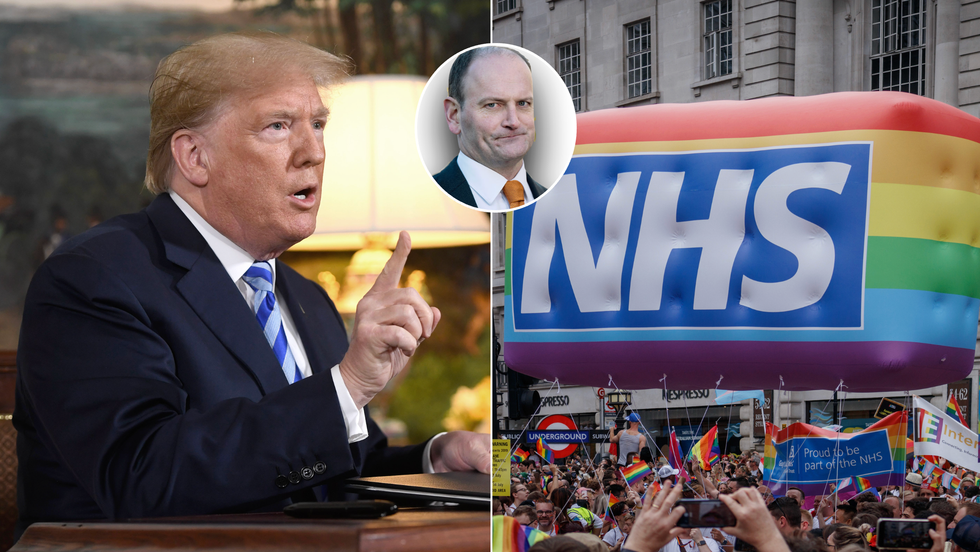
The UK-US trade deal could unleash the NHS - but a woke barrier stands in the way - Douglas Carswell
|Getty Images
We don’t need to raise taxes or slash essential services to provide better care.
The NHS could fund cutting-edge treatments simply by embracing reform and cutting waste. Missed outpatient appointments cost hundreds of millions annually. Some hospitals pay £1.50 for a tablet that costs just 2p elsewhere. Medical errors drain up to £2.5billion a year, as a former health secretary noted.
NHS prioritises woke staff over treatments for patients. It employs 800 diversity and inclusion officers, costing an estimated £40million annually.
Then there’s the outright fraud. Look at Alec Gandy, a former senior manager at Dudley Integrated Health and Care NHS Trust, who admitted to defrauding the NHS of £123,000 for personal gain.
Gandy is far from an isolated case. Cracking down on abuse of the system will provide real chances to redirect resources to where they’re needed most — Britons in need.
The NHS was built to ensure everyone has access to healthcare, but that does not mean it is beyond reform. Plugging the leaks, whether it’s overpriced tablets, missed appointments, or outright fraud, would free up billions to improve services.
That could mean more drugs like Creon or Ozempic on chemist shelves, shorter wait times for operations, or even partnerships with private clinics or overseas hospitals when it makes sense. The goal should be to make the NHS work better so patients get the care they need, when they need it.
If we stop pouring money into things that don’t work, we can afford to provide what does. Thanks to this trade deal, we might just see Britons getting treatments that anyone in America can already access.
Douglas Carswell co-founded the Vote Leave Campaign and served as a Member of Parliament from 2005 to 2017. He is the President of the Mississippi Center for Public Policy.
More From GB News