







GB News readers will recognise a growing concern among parents that activist organisations increasingly see schools as a captive audience through which to advance ideological causes.
We cannot allow this trend to continue. That is why I was disappointed, though not surprised, to see that the organisation “Schools of Sanctuary” is once again preparing to promote its ideological agenda in classrooms under the banner of Refugee Week.
This is not the first time Schools of Sanctuary has attracted controversy. Only weeks ago, it emerged that materials promoted through its programme, which hundreds of schools have signed up to, included children’s books and classroom resources containing overtly pro-illegal migration messaging aimed at very young pupils.
One book, targeted at children as young as five, depicted a flotilla of small boats filled with cartoon animals, including lions and giraffes. Small boat crossings are an illegal and dangerous practice. It should not be normalised or softened in materials presented to young children. It has to stop.
Freedom of Information requests have shown ministers have met with Schools of Sanctuary as the organisation comes cap in hand seeking further taxpayer funding “to expand its reach in schools and colleges”.
Is that really what British taxpayers want their money spent on at a time when school budgets are under severe pressure, and headteachers are being forced into difficult decisions about staffing and provision? Parents expect funding to be directed towards raising standards and supporting children, not expanding the reach of campaign groups into classrooms.
Sadly, Schools of Sanctuary is not an isolated incident. Across the country there are organisations masquerading as worthy do-gooders while promoting their own agendas in schools.
In Sheffield, schools have signed up to lesson plans where teenage pupils are told that black people can be racially prejudiced towards white people but that this is not racism because that can be exhibited only by those who hold cultural power, such as white people over black people.
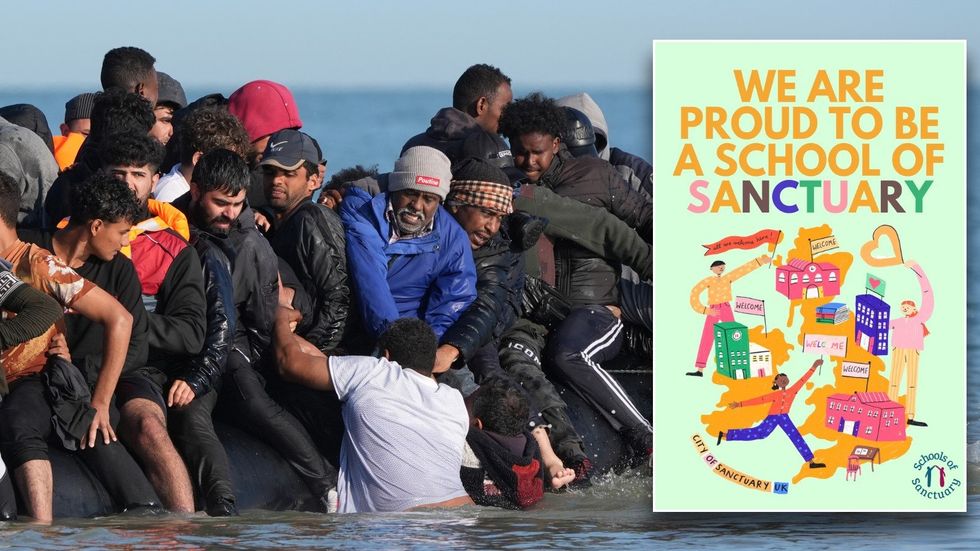
Across the country, there are organisations masquerading as worthy do-gooders while promoting their own agendas in schools, writes Laura Trott MP
|SOS/PA
Children as young as seven are also being taught that white people are likely to be privileged because of the colour of their skin.
Teaching children about white privilege or inherent racial guilt is wrong. Teaching that it is impossible for a black person to be racist towards a white person is wrong. More fundamentally, it risks shaping how children see one another at a formative age.
We should be careful about what we are embedding in young minds. We should remember what unites us, not ingrain labels and tribal identities from an early age. When children are taught to see the world primarily through labels, it encourages division where there should be common ground.
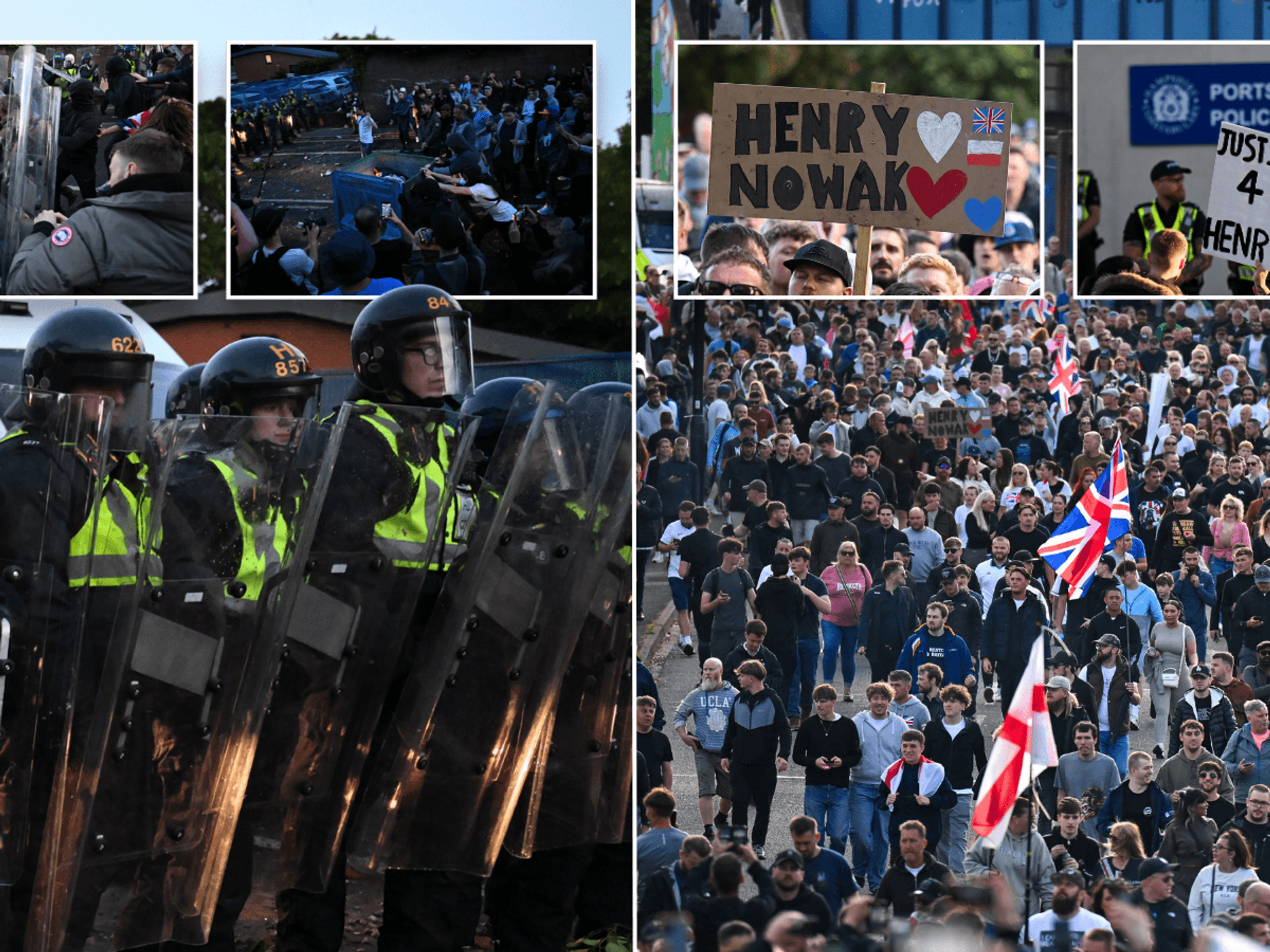
In the wake of the horrendous death of Henry Nowak, Kemi Badenoch was right to argue that we must reject narratives that divide people by race and instead focus on our shared humanity. Labelling children and encouraging them to interpret the world through rigid identity groups risks fostering resentment rather than understanding.
Schools should be places of learning, not places of indoctrination. That is why I am working with Amanda Spielman to examine what more can be done to prevent third-party organisations from introducing political agendas into classrooms through lesson plans, assemblies and teaching materials.
I have also written to Bridget Phillipson, calling on her to set out what action she will take to ensure that the Schools of Sanctuary materials brought to light are removed from classrooms, and that schools are not drawn into participation in politically charged campaigns, including under the guise of events such as Refugee Week.
Under the leadership of Kemi Badenoch, we will continue to challenge the creeping politicisation of education and insist on a clear boundary between teaching and campaigning.
We should not be fighting this battle repeatedly, yet too often we find ourselves doing so because campaign groups continue to see schools as a route to shape political attitudes rather than educate children.