

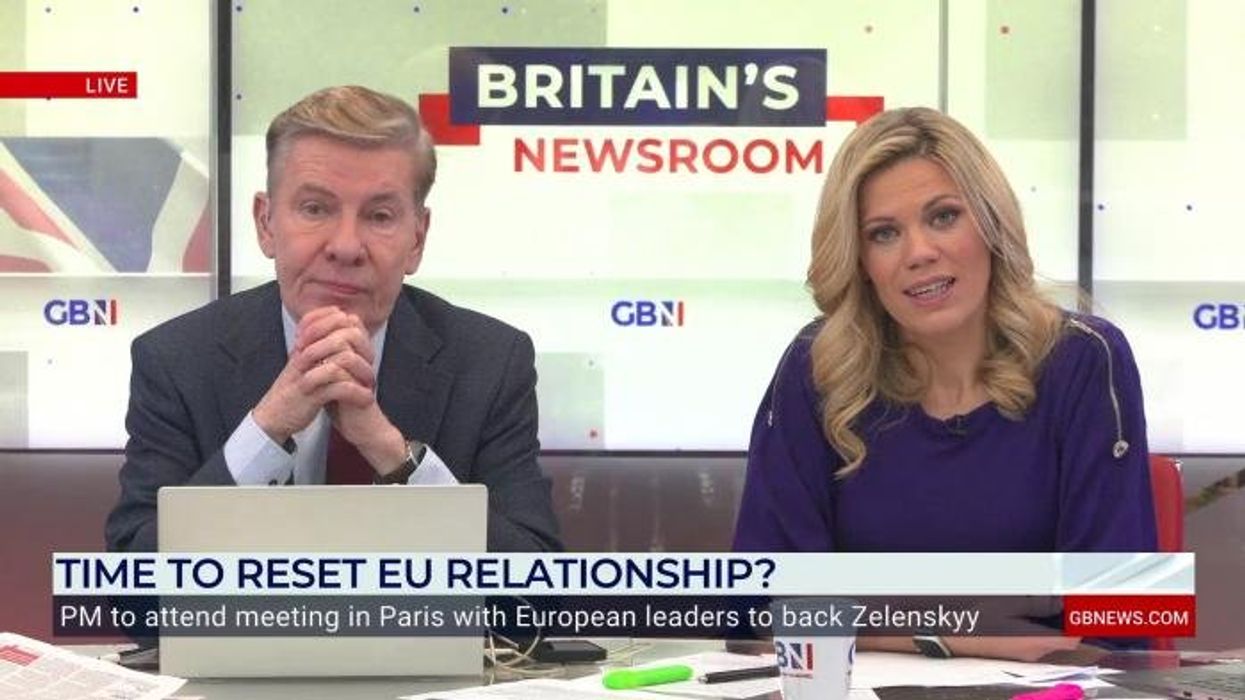




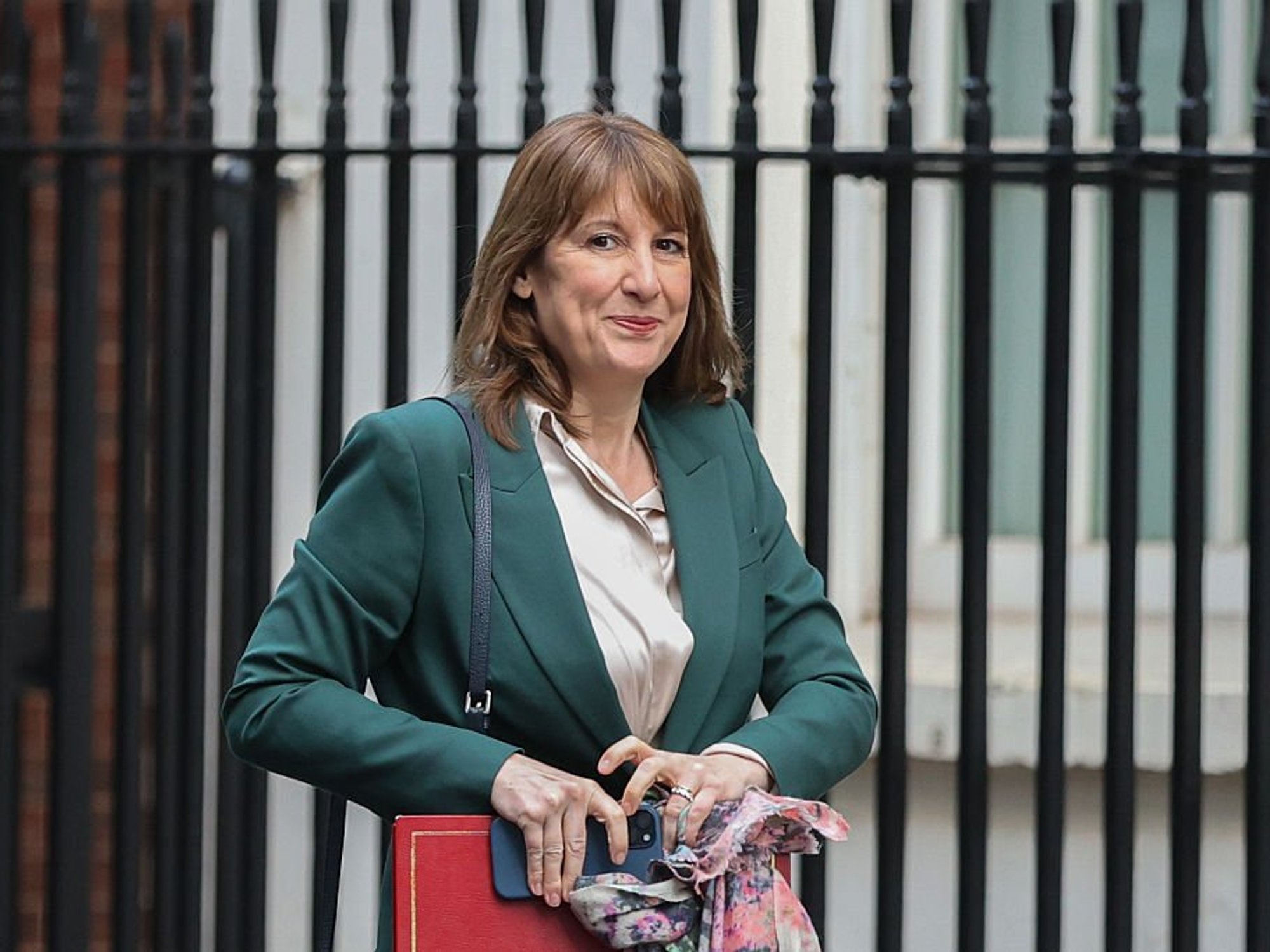

Another “reset” with the European Union may sound reassuring, but Labour’s plan to pursue so-called “dynamic alignment” is not a fresh start. It is a retreat — and a familiar one at that.
Dynamic alignment means the UK would keep its domestic rules in step with evolving EU regulations, particularly in areas such as agri-food, animal welfare and product standards.
The cost is obvious: Britain would once again become a rule-taker, following decisions made elsewhere without a vote, a voice or democratic accountability. That is not pragmatism; it is the quiet surrender of control.
This matters because it cuts directly across a promise Labour made at the last election: that Brexit would be respected. Voters were told there would be no return to EU rule-taking. Dynamic alignment does exactly that in all but name.
Labour has been here before. In 2004, it promised a referendum on the proposed EU Constitution. That vote never happened. After French and Dutch voters rejected the Constitution, its substance was repackaged into the Lisbon Treaty — a major shift of power from national governments to EU institutions.
Once again, the British people were denied a say. That breach of trust lingered and helped fuel the sense that promises on Europe were easily broken, paving the way to the 2016 referendum.
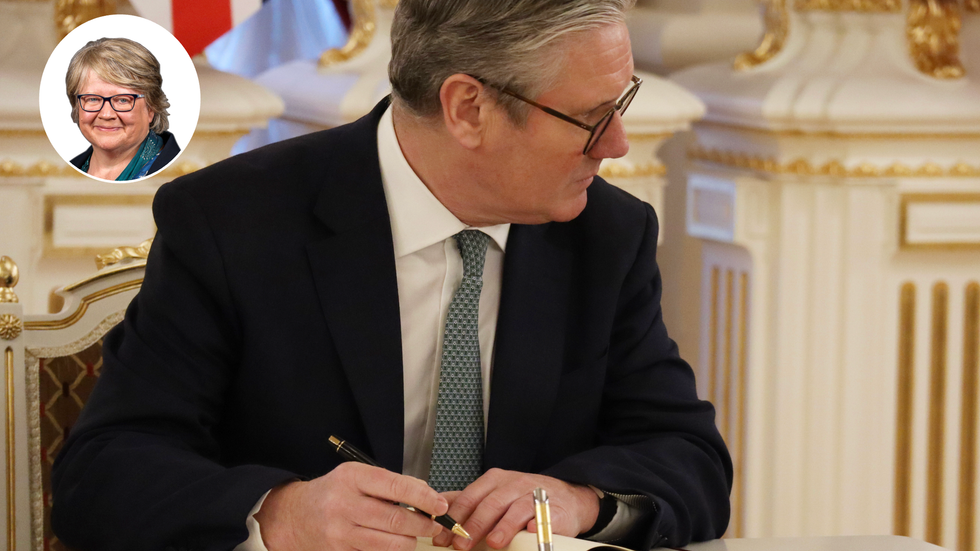
I saw firsthand what was gained by leaving the EU. As a Defra minister, I regularly attended the European Council, negotiating on agriculture, animal welfare and regulation.
The work was detailed and often difficult, but the UK had influence. We fought for science-based decision-making on pesticides, protected high animal welfare standards and secured outcomes that worked for British farmers.
Supporters argue this is simply practical — a way to reduce border friction and boost growth. But the case is overstated. Trade between the UK and the EU has grown since we left, despite dire predictions.
Yes, there have been border difficulties, particularly for food exports. But these are not an inevitable consequence of regulatory independence.
The UK adopted a pragmatic, open approach to checks; many delays stemmed from how controls were implemented on the EU side. If cooperation is the aim, these operational problems can be fixed without surrendering sovereignty. As we enter 2026, the review of the Trade and Cooperation Agreement should be about making the agreement work better — not changing who makes our laws.
Keir Starmer once said “take back control” should be turned from a slogan into a solution. Dynamic alignment does the exact opposite. Rules would be set in Brussels, and disputes would ultimately fall under the European Court of Justice.
The UK would comply, not negotiate. That is not taking back control; it is handing it away.
Trust in politics is hard won and easily lost. Many voters who backed Brexit lent Labour their votes on the understanding that the decision would be honoured. If Labour now retreats on Europe, it risks driving those voters away for good. This is not a reset. It is a step backwards.
More From GB News