

Keir Starmer is only safe because he's British. In America he'd be facing catastrophic consequences - Lee Cohen



US columnist Lee Cohen explains exactly what would happen to Sir Keir Starmer if he was a politician in America
Don't Miss


Most Read


Trending on GB News
Britain bequeathed my country democracy, and yet, as a dear American friend of Britain, I am deeply concerned about the fragility of yours under the current government.
Imagine Keir Starmer in the Oval Office instead of 10 Downing Street. A man endlessly praised by London elites as principled, competent, and morally upright. Yet the record tells a very different story: economic catastrophe, deception, lies, denial and broken promises woven into almost every move.
In America, he would be facing the full fury of Congress, relentless media scrutiny, and the real prospect of impeachment. In Britain? He skates by with polite rebukes and sympathetic puff pieces.
The pièce de résistance is the 2025 Budget. Starmer’s Chancellor, Rachel Reeves, warned of a £26billion “black hole” in public finances. Ministers hammered home the narrative: tighten your belts, citizens—catastrophe looms. Except the Office for Budget Responsibility reported a £4.2billion surplus. The crisis was largely invented. And Starmer, the careful manipulator, let ministers continue to terrorise the public with fiscal hysteria, all to justify massive tax hikes.
In Washington, a president doing the same would provoke Congressional hearings, subpoenas, media carnage—and impeachment inquiries. Starmer’s actions, legal under Britain’s oversight, are the closest analogue we have to a president abusing office for political ends: deliberately misleading citizens while wearing a cloak of moral authority.
The Budget itself was a masterpiece of fiscal sleight-of-hand. A massive £40billion in tax rises — the largest since Attlee’s day — were unveiled with the solemnity of a funeral cortege. National Insurance on employers, solemnly pledged not to rise for “working people,” duly soared. The Office for Budget Responsibility, normally a calm authority, revealed that crucial public-sector pay deal costs were withheld before the election, allowing Labour to campaign on the fiction that no difficult choices loomed.
In the US, these omissions would have triggered accusations of perjury before Congressional Budget committees and likely fuelled formal investigations. Here, they merit a mere footnote.
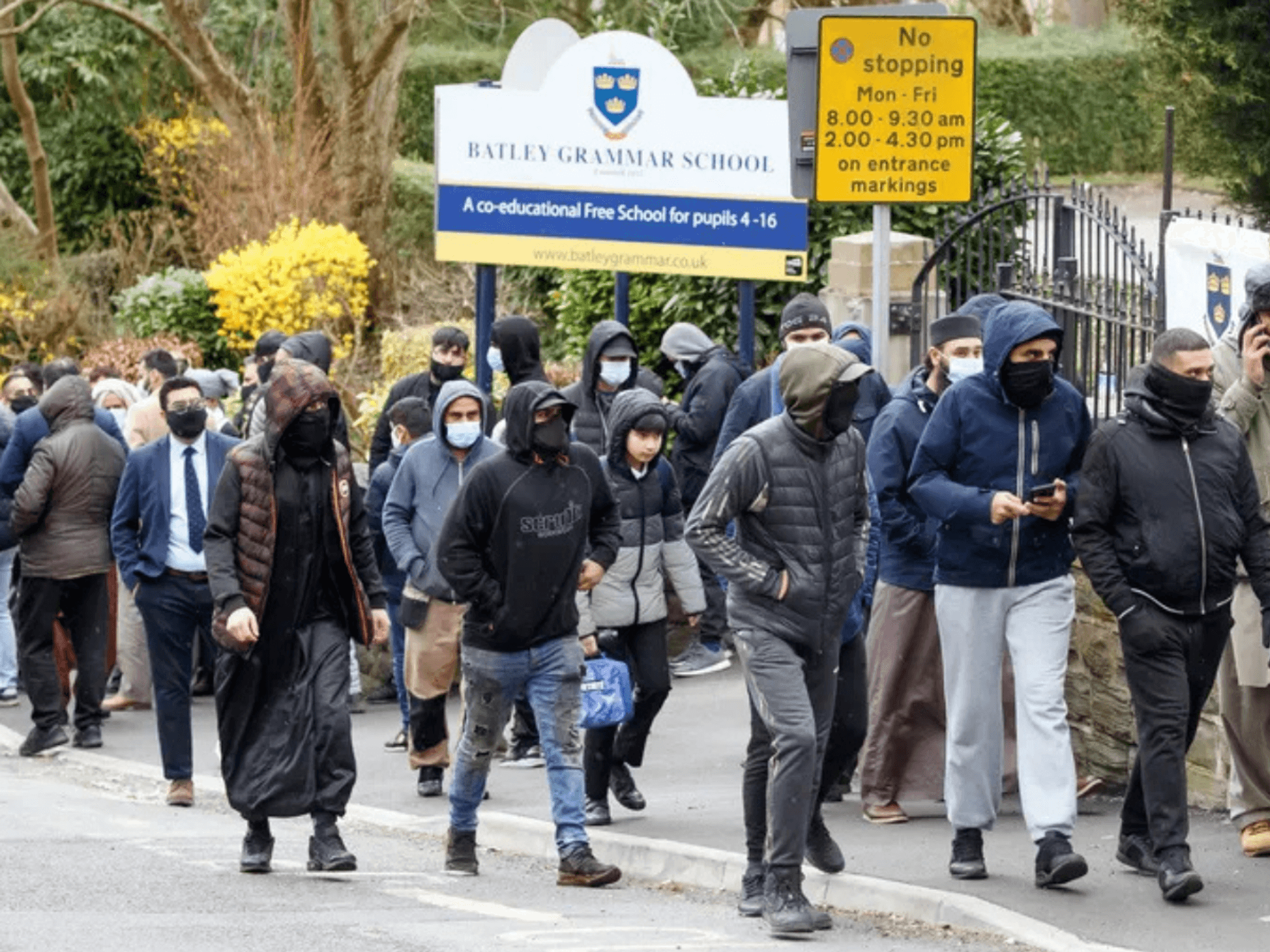
Yet Starmer is no stranger to more serious crises beyond fiscal legerdemain. His government’s appalling approach to law enforcement —“two-tier policing”, applying different standards in handling riots and protests based on political or demographic considerations— is a serious charge undermining trust in Britain’s institutions and drawing attention from figures outside politics, reflecting broader social fractures.
Starmer’s hardening stance on immigration also fuels controversy. A 2025 speech warning about unchecked immigration fracturing British identity drew comparisons to Britain’s darkest political moments. If a US president spoke similarly, it would provoke intense congressional backlash, perhaps even impeachment proceedings for stoking division.
Internally, Starmer’s grip on his party is far from certain. His push to maintain strict welfare caps and controls sparked internal Labour rebellions. The tension reached breaking point with reports of plotted leadership challenges amid falling popularity and public discontent over economic policies. Were an American president facing such party revolt amid economic crises, congressional committees would be aggressively probing and media hunting for signs of malfeasance.
A key difference, however, lies in the political structure. Unlike the US, the UK has no mechanism for impeachment. Parliamentary oversight, while robust in theory, is often less confrontational and dramatic, leaving many of these serious actions without immediate political consequences.
Additionally, Starmer’s government has been accused of manipulating parliamentary procedures to blunt accountability. Select committees sometimes schedule hearings to clash with elite political gatherings like Chevening weekends, reducing public scrutiny. The Speaker of the House has reportedly prohibited the word “misleading” in official debates concerning government narratives, a shockingly mild response to what would be considered serious ethical breaches in Washington.
The broader lesson is that if Keir Starmer held the US presidency, his record of misleading the public on finances, fostering internal party strife, fostering divisive rhetoric, complicity in policing controversies, and questionable foreign policy moves would have triggered fierce Congressional investigations, relentless media scrutiny, and very likely impeachment inquiries.
Instead, in Britain, these significant issues largely result in polite editorials, occasional political jabs, and behind-the-scenes party manoeuvring.
The disparities underline how fragile political accountability can be when oversight systems differ so drastically and when cultural norms allow leaders significant latitude in bending truth and controlling narratives.
One need not imagine Starmer in the Oval Office to recogniSe the dangers to democratic transparency and trust. Simply observe the unfolding events, the withheld budget spreadsheets, the fractured party, and the muted parliamentary responses.
When a government can reshape reality for political convenience with little accountability, the democracy is at risk. And that concern is why, in addition to its own citizens, many of us Britophiles abroad watch closely—and worry.