




The Government announced today that it will consult on proposals for an Australian-style ban on social media for all children under 16, affecting apps such as TikTok, Snapchat and Instagram.
It will bring forward a swift three-month consultation on further measures to keep children safe online. This will include the option of banning social media for under-16s and raising the digital age of consent to stop companies using children’s data without their or their parents’ consent.
The consultation will also include a range of other options, such as whether there should be curfews, overnight breaks to prevent excessive use, or limits to stop doom-scrolling.
This is the latest move in a long-standing power struggle between the over-mighty state and the family, and it is important to remember that the protection of children is always the censor’s excuse. Social media is not fundamentally evil; it is fundamentally good.
TRENDING
Stories
Videos
Your Say
When I look at my children’s lives, if they want to speak to each other, they can do so instantly. It is far easier than when I was their age assuming I ever was young when you had to write or ring up, bother parents and often not even get through, sometimes having to go via the operator. Communication was far more complicated.
Of course, the ease with which young people now communicate brings risks with it, but there have always been risks in childhood. In the 19th century, people sent hate valentines, so difficult and unkind communications are nothing new. It is part of life, and it is something parents can manage.
Under these Government plans, technology companies could also be forced to block or limit addictive features such as streaks, which encourage users to log on every day, and infinite scrolling.
But once again, this can easily be dealt with by parents. I can and do set the hours during which my children can use their phones and tablets. I can set time limits for individual apps as well as overall usage.
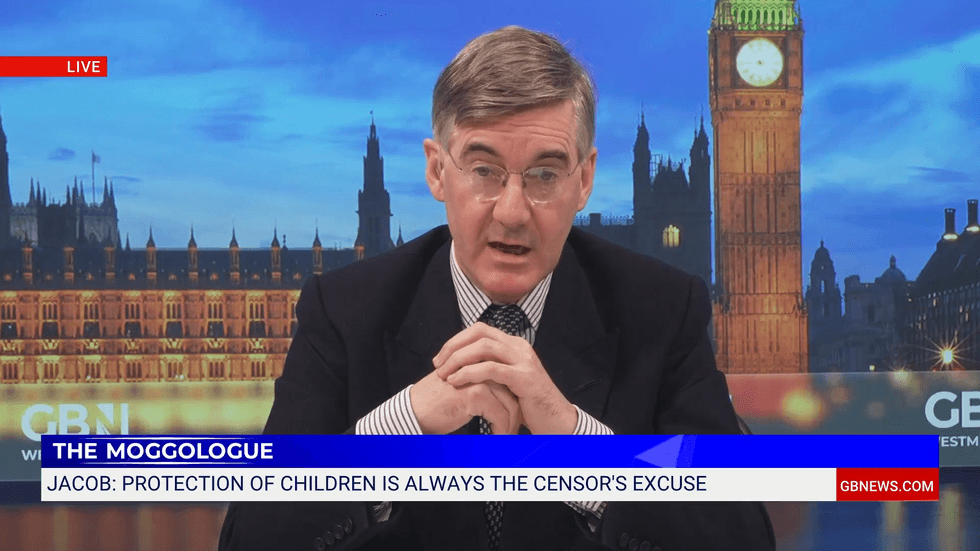
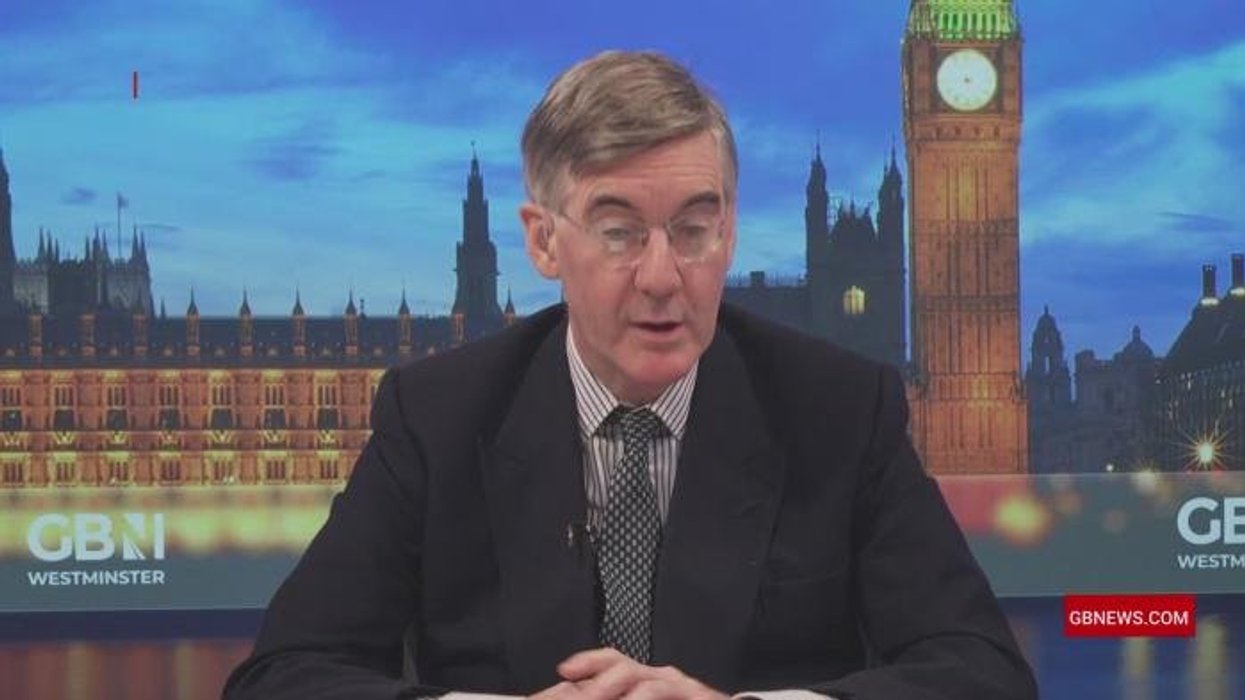
Jacob Rees-Mogg said that he does not agree with the social media ban
|GB NEWS
On some occasions, my children have even asked for less time because they want to focus on revising for exams and remove distractions.
On a day-to-day basis, I can adjust the limits. I have just extended Sixtus’s time so he could let the nanny watch GB News: State of the Nation before I came out important things like that.
Parents generally know what is in their children’s best interests. During the holidays, they may want a little more time, or to speak to friends later in the evening, and that is fine.
It is a discussion, not a totalitarian regime though I wish I were the Victorian paterfamilias, I have never managed that. I can place limits on age-related content to stop them accessing material that is genuinely grim.
LATEST DEVELOPMENTS
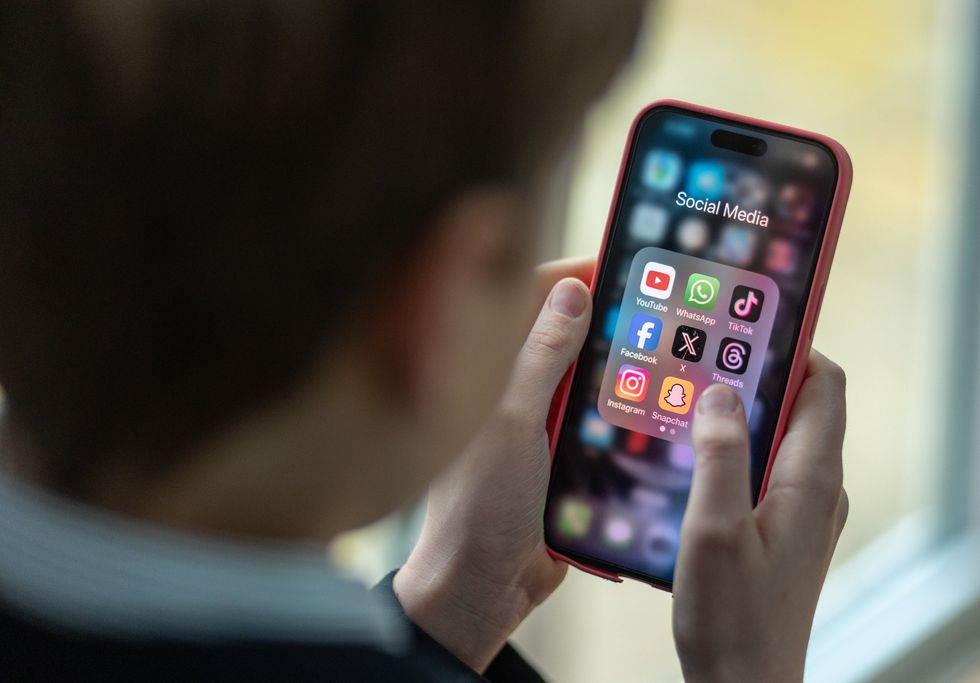
Labour is planning to ban social media for under 16s
| GETTYBut children grow up. They want more independence, more freedom, more liberty. That is a conversation for parents, not the state. Children grow up at different rates, and what may be suitable for one 15-year-old may be unsuitable for another.
This is not something the state can deal with on an individual basis. You cannot simply ban modern technology and then suddenly thrust children into it at 16 regardless.
The Academy of Medical Royal Colleges has written to ministers warning that mobile phone use among children has become a public health emergency, with screen time and harmful online contact having dangerous effects on wellbeing.
This may be true for some children of course it is but overall it sounds as overblown as the claims of a climate emergency made by hysterical local councils.
In reality, this is a subtle way of giving the state more control and that is bad news for all of us.
It is bad for parents because it strips them of responsibility, and it is bad for children because it prevents them developing naturally in a home environment.
It seems we no longer want children to grow up at all. Instead, we wrap them in cotton wool to stop them taking any risks.
But childhood is a period of growing up, when proportionate risks must be taken. As a father of six, I believe social media is a matter for parents, not the state.
More From GB News