







Labour has been urged to rethink its car tax rules for popular vehicles, after thousands of drivers get unfairly penalised despite barely using their cars.
Speaking to GB News, Mark Roper, Managing Director of classic car insurance firm Hagerty UK, said while there is broad support for environmental policies and maintaining the state of UK roads, current tax rules fail to recognise how older cars are actually used.
"We understand it takes money to keep the roads in good condition," he said. "And we also understand the Government is motivated to get people into lower-emitting vehicles, we're absolutely on board with all of that."
However, Mr Roper warned that the current system does not distinguish between modern, high-mileage vehicles and older cars that are driven only occasionally.
TRENDING
Stories
Videos
Your Say
"It feels unfair to us that those cars are being treated the same as modern everyday cars, creating high mileage on the road," he said.
Under current rules, vehicles over 40 years old are exempt from Vehicle Excise Duty, with the threshold rolling forward each year.
Hagerty argued that cars aged between 20 and 40 years, often described as "modern classics," are being overlooked.
Mr Roper said: "These are cars that have already had their carbon journey. They've been recycled through different ownerships, and mean people don't have to go out and buy a new car.
"They're not used for the school commute or the trip to work, they're used for enjoyment, a drive into the countryside or to the pub on a Sunday."
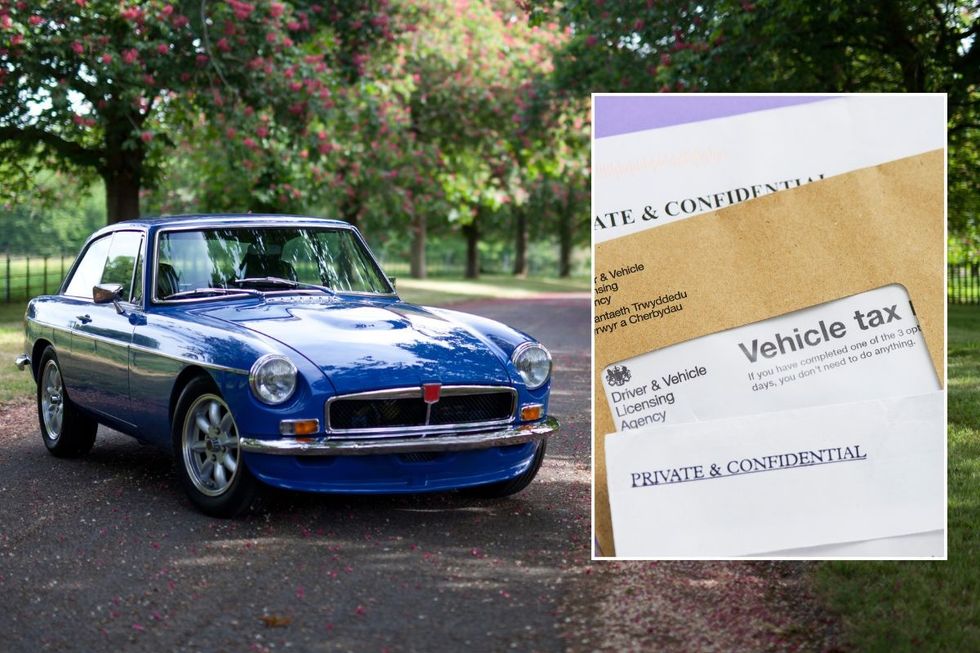 Classic cars will remain exempt from VED if they are older than 40 years, as well as MOT checks | GETTY
The insurer has now backed calls for a 50 per cent reduction in VED for cars aged between 20 and 39 years, arguing that lower usage should be reflected in taxation.
"If the purpose of VED is road upkeep and reducing emissions, then driving less achieves both of those objectives," Mr Roper said. "Older cars tend to do exactly that."
The comments come as motorists continue to face rising costs, with fuel duty pressures and wider affordability concerns hitting households across the UK.
The Hagerty boss stressed that the issue is not just about enthusiasts with high-value vehicles, but also ordinary drivers.
LATEST DEVELOPMENTS
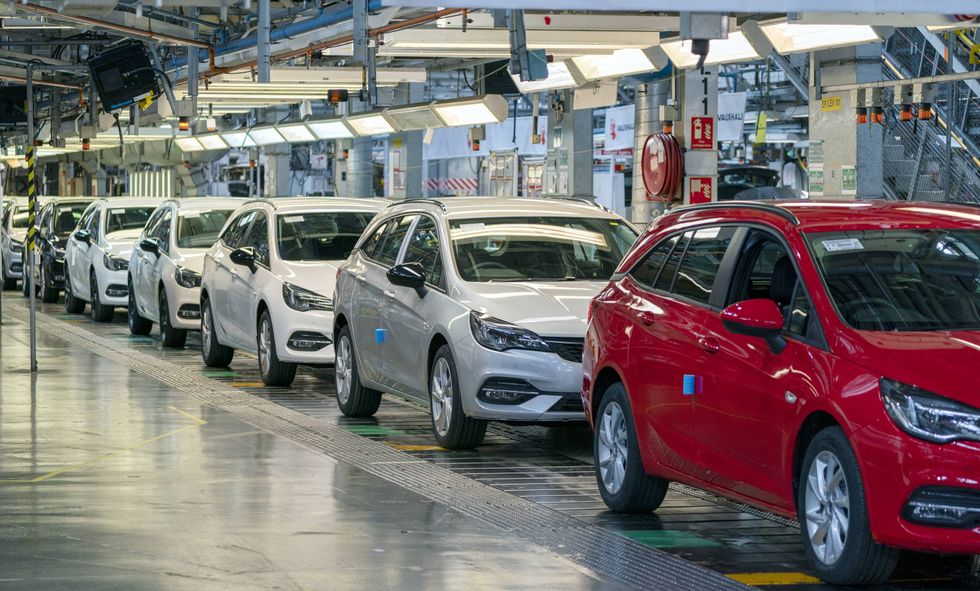 The ZEV mandate requires all new petrol and diesel car sales to be electric by 2030 | PA
He explained that a lot of older vehicles are not high-end sports cars, but rather family cars owned by lower-income families that are "suffering most with the cost of living".
Despite backing greener policies such as the Government's push toward EVs through the Zero Emission Vehicle mandate, he rejected the idea that classic cars are inherently at odds with environmental goals.
"We're not beholden to everything being exactly as it was in the past," he said, pointing to a growing trend of converting classic cars to electric power.
He also dismissed concerns that classic vehicles could eventually disappear from UK roads altogether.
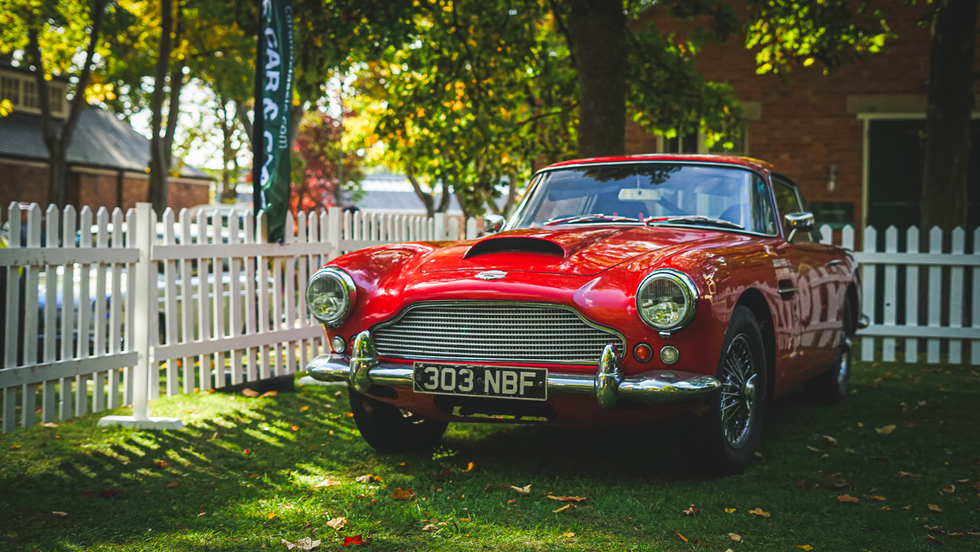 Historic vehicles do not have to pay car tax if they were built more than 40 years ago | CAR AND CLASSIC
"I don't think we'll be seeing traditional and classic cars coming off our roads anytime soon," he said. "We insure cars from the early 1900s right through to modern classics."
Instead, Mr Roper argued that these vehicles represent an important part of British heritage, likening them to antiques and collectables.
Ultimately, Hagerty has called on ministers to recognise that older vehicles have already "paid their dues" environmentally and economically.
"They've been around a long time, their carbon has been amortised over decades, and they're driven infrequently," he said. "A reduction in vehicle excise duty is a fair way to reflect that."