






The questions over the Prime Minister's approach to British veterans during his time as a senior barrister escalated yesterday, when it was reported that Sir Keir had worked pro bono on a human rights case against British Iraq veterans.
No10 responded by saying the Prime Minister did not represent the claimants. In this case, he represented intervenors, including the Law Society of England and Wales. The role of an intervenor is to assist the court on points of law, not to advocate for either side.
They also stressed that Sir Keir was not involved in the later European Court rulings that expanded investigations into British troops. The Prime Minister was not involved in the subsequent case heard in the European Court of Human Rights.
Sir Keir did not directly represent the claimants, but he did work on related cases and wrote publicly about the legal arguments.
TRENDING
Stories
Videos
Your Say
Today, it's been revealed that in 2008, in a book on the Iraq War, which was edited by the much-disgraced Phil Shiner, Sir Keir wrote that the European Convention on Human Rights law was far more effective than United Nations law.
He said that the way international law had developed suggested "a deliberate effort by the USA and the UK to change international law for their own ends".
He also wrote that multinational forces operating under UN authority were usually immune from legal processes, and argued that European human rights law was much better developed and far more effective in holding Governments to account.
Thus, he collaborated in the book by Shiner that worked to undermine the position of the British Government.
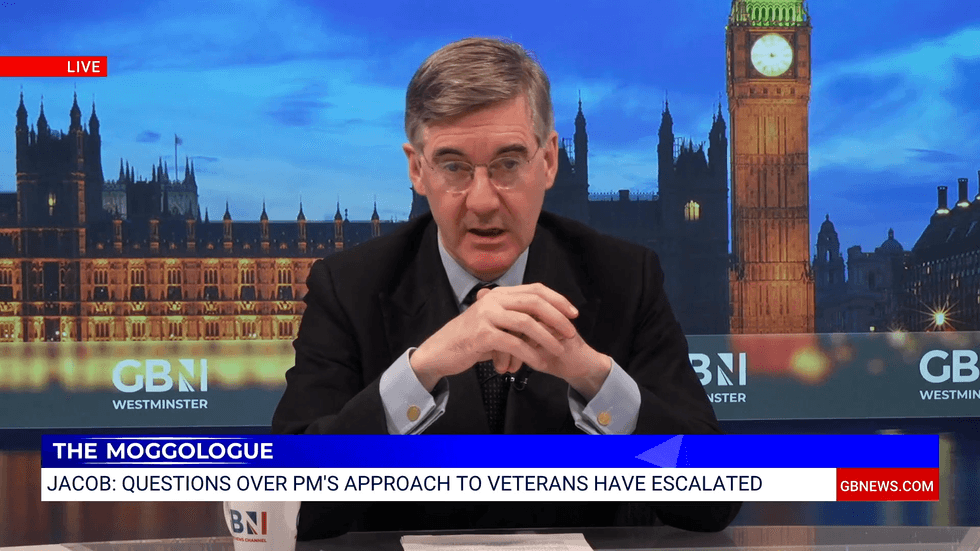
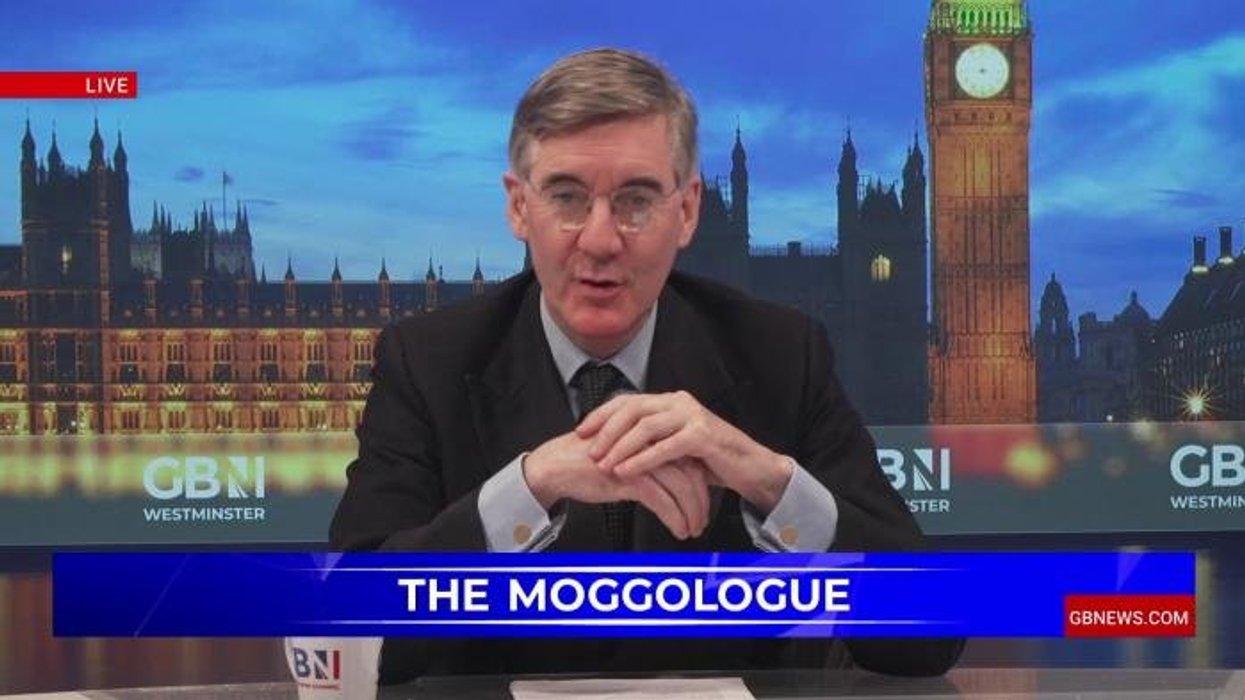
Jacob Rees Mogg shared his views on Keir Starmer's approach to veterans
|GB NEWS
Today's revelations, following No10's firm denials, raised more questions than they answer.
No10's statement focuses on technical distinctions—intervenor versus claimant, rather than what Sir Keir may have been arguing for and what he appeared to believe at the time. Some senior human rights lawyers are saying that describing this role as neutral is misleading.
Intervenors are invited to advance legal arguments and are not detached observers.
So the issue is no longer whether Sir Keir was technically entitled to do this work.
LATEST DEVELOPMENTS
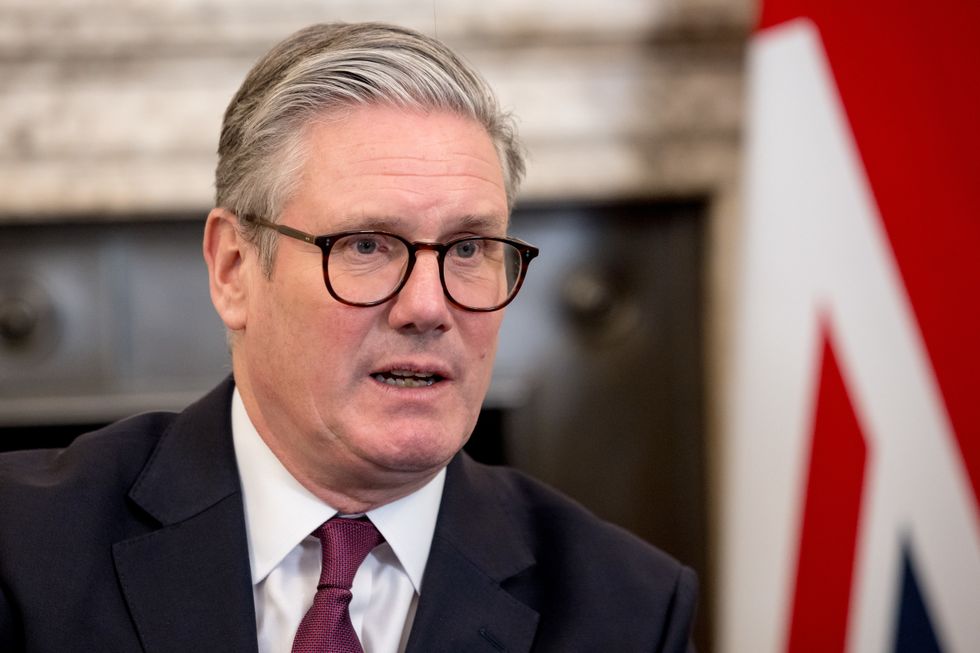
'The Prime Minister's insistence on neutrality matches his words, actions, and involvements'
| PAThe issue is what it says about the Prime Minister's judgment and alignment, whether the Prime Minister's insistence on neutrality matches his words, actions, and involvements.
It is not the normal defence of lawyers—which is the cab-rank rule that lawyers must take any client—because that rule naturally and obviously does not apply to pro bono, that is to say, voluntary work. By issuing an aggressive and categorical denial, No10 has shifted the focus.
This is no longer about Sir Keir's historic work. It's about credibility and consistency, on whether the Prime Minister's account can be trusted, especially given his responsibility as Prime Minister for the well-being of the armed forces.
The denials have raised more questions, not shut them down.
And these questions will continue to come until the Prime Minister is more transparent.
More From GB News