

With no off-ramp on the table, Iran's mullahs must choose between two devastating scenarios - Ariella Noveck
GB



Both dramatic escalation and restraint present existential risks, writes the journalist and co-founder of non-profit ShieldGiving
Don't Miss


Most Read


Trending on GB News
The current operation against Iran marks one of the most consequential demonstrations of American power in years — and a clear reassertion of strength on the world stage.
After a period in which adversaries tested limits and probed for hesitation, this campaign signals something unmistakable: red lines matter again.
The United States is no longer content to absorb incremental aggression. The objective has been focused and strategic. This is not a regime-change war. It is not an open-ended occupation.
The mission is to degrade Iran’s military capabilities, disrupt its operational planning, and restore deterrence that had eroded over time.
For years, Tehran expanded its reach through proxy militias, precision missile development, drone proliferation, and maritime harassment, calculating that Washington would avoid direct consequences. That calculus has now changed.
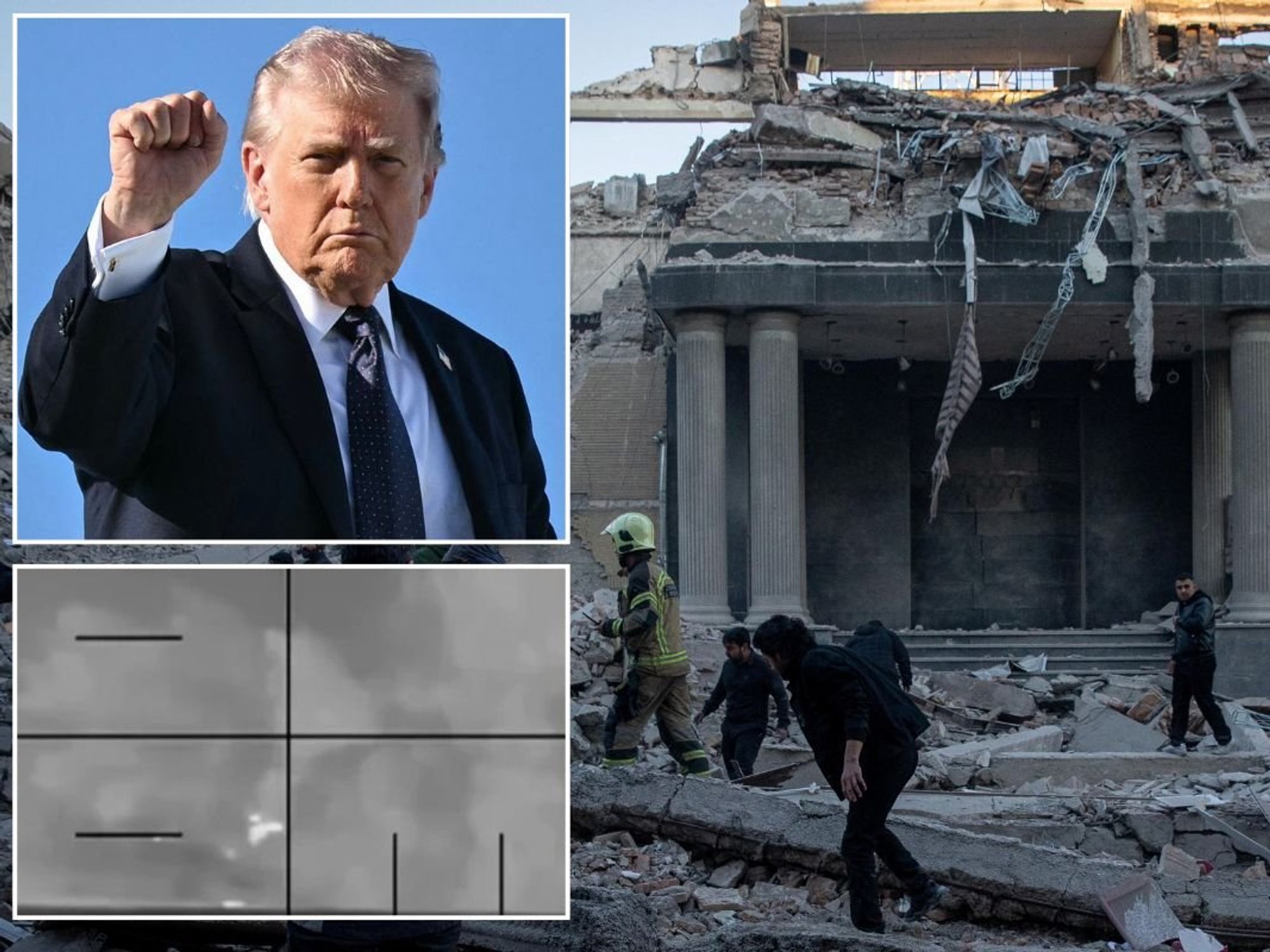
The strikes reinforce what President Donald Trump consistently articulated: peace is preserved through strength. When the United States demonstrates capability and resolve, adversaries reassess risk. Deterrence is not about rhetoric; it is about credibility backed by action.
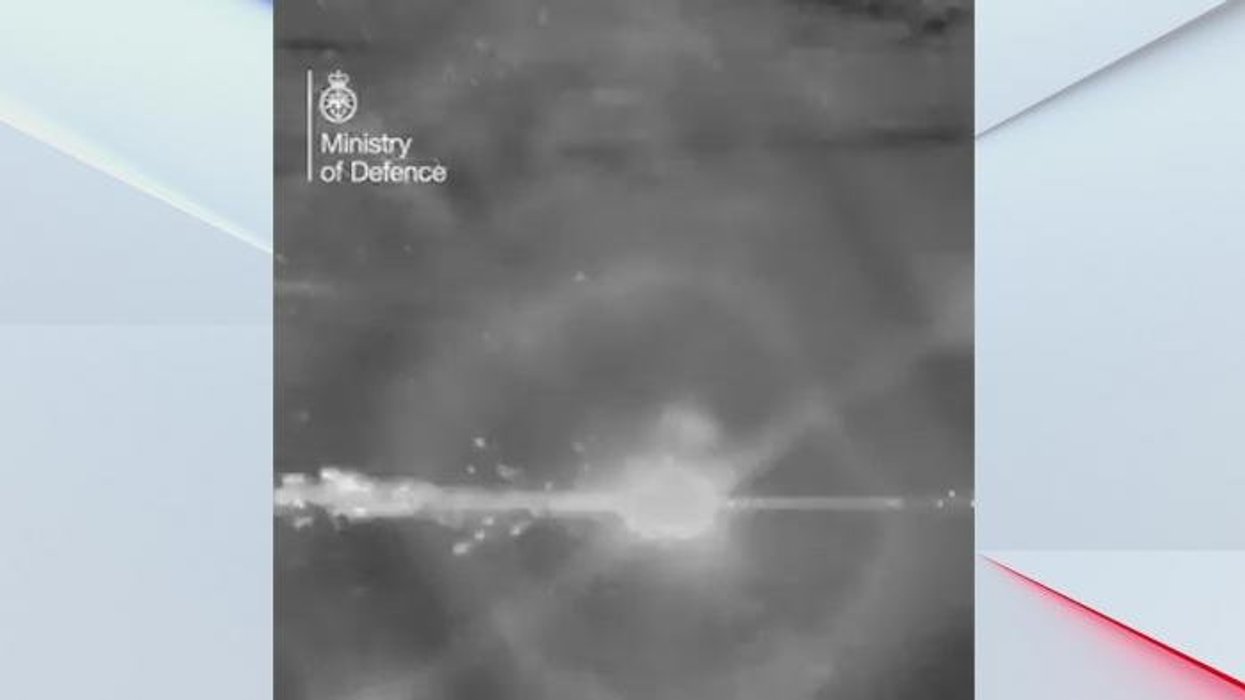
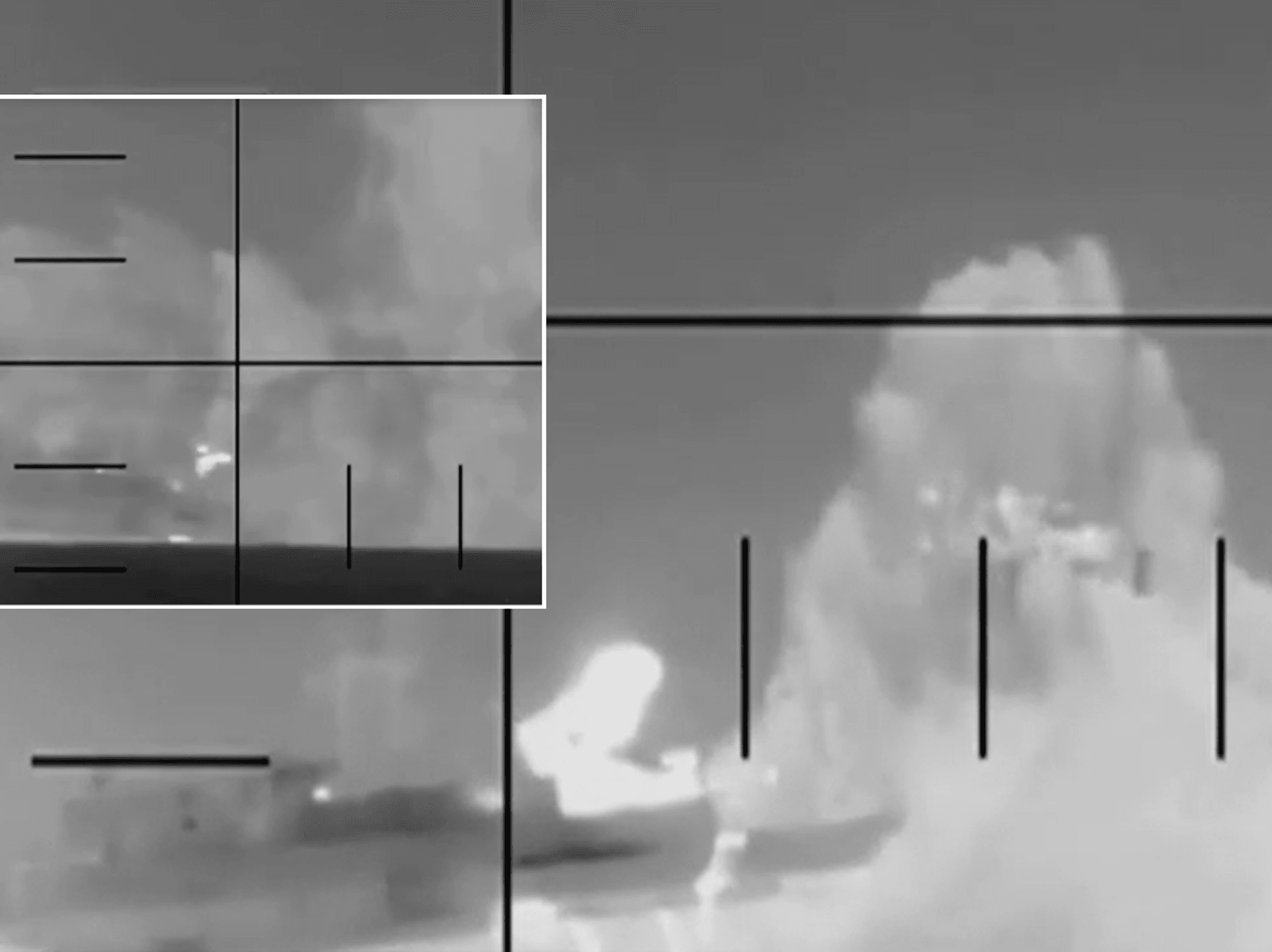
Operationally, early indications suggest a meaningful impact. Command-and-control nodes, weapons storage facilities, and force projection infrastructure have been targeted with precision.
The tempo and coordination reflect deep intelligence preparation and overwhelming technical superiority. This was not symbolic messaging — it was strategic disruption.
Equally significant is the state of the alliance between the United States and Israel. The partnership has rarely looked more synchronised or operationally aligned. Intelligence sharing, defensive coordination, and shared strategic clarity have translated into tangible results.
The two democracies are acting not merely as partners but as a unified front confronting a destabilising threat. This matters beyond the region.
Iran’s activities — from missile proliferation to proxy warfare — are not isolated regional irritants; they represent a broader challenge to global security, energy stability, and freedom of navigation.
A coordinated American-Israeli posture sends a message not just to Tehran, but to every actor watching: aggression carries consequences, and democratic allies stand together.
Still, tactical success does not eliminate risk. Iran retains substantial missile and drone capabilities, many of them mobile or dispersed. Its proxy network across Lebanon, Syria, Iraq, and Yemen was built precisely to provide asymmetric options.
Tehran’s leadership now faces a calculation rooted in regime survival. A dramatic escalation could satisfy hardliners but invite overwhelming retaliation. Restraint risks appearing weak.
Historically, Iran has favoured indirect, deniable responses — cyber operations, maritime disruptions, or calibrated proxy activity — designed to avoid triggering full-scale confrontation. That pattern may repeat. The coming weeks will test whether deterrence holds.
For the United States and its allies, sustainability is key. Deterrence is not a single strike; it is a sustained posture. Credible follow-through, disciplined escalation control, and strategic clarity will determine whether this moment reshapes regional behaviour or merely pauses it.
Ultimately, this operation represents more than military action. It is a reassertion of American leadership, reinforced by an unshakable alliance with Israel.
It restores leverage, clarifies boundaries, and signals that incremental aggression will no longer be met with incremental response.
The board has shifted. Now strategy must consolidate the gains — from a position of unmistakable American strength.