






When I worked for the Dutch intelligence service, one rule mattered above all: ignore the noise and focus on what’s actually happening on the ground.
That matters now more than ever because if you’re only listening to the mainstream media or social media, you’re missing the real story.
The “ceasefire” with Iran is already fraying. Iran has fired missiles into the UAE, Kuwait, Qatar, Saudi Arabia and Israel. Israel’s operation against Hezbollah in Lebanon, dubbed “The Decapitation”, continues, and drones are still being shot down across the region. Meanwhile, the US is quietly preparing for what comes next.
There’s been a lot of focus on President Trump’s social media posts, but the real signal isn’t what he says but what the US is doing, and it’s very clear.
Washington is not preparing for a full-scale invasion. There’s no Iraq-style regime change coming.
Instead, the objective is tightly defined: 1) Destroy Iran's Ballistic Missile and Drone Capabilities; 2) Destroy the Iranian Navy, and 3) Destroy Iran's defence industrial base so that it cannot reconstitute the ability to project power outside its borders.
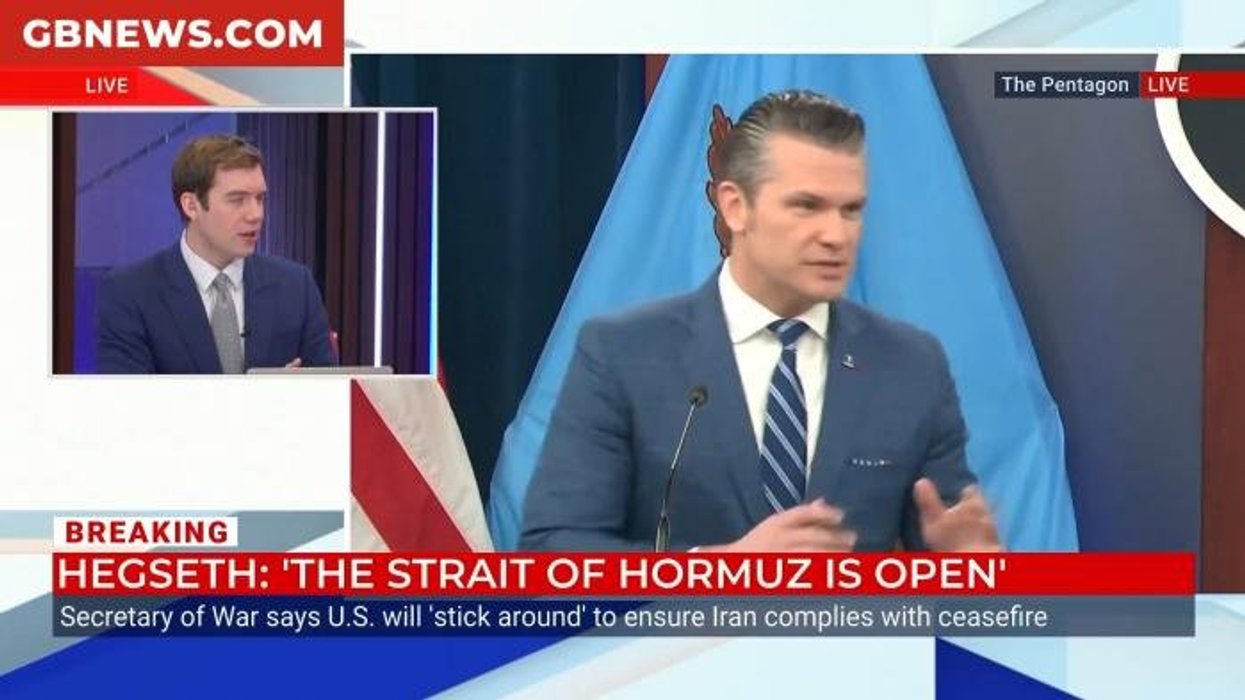
Everything else is secondary, and that includes reopening the Straits of Hormuz. Iran’s Supreme Leader, Mojtaba Khamenei, has reportedly demanded blood money for his country’s casualties and said that Iranian management of the Straits was entering a “new phase”.
I say reportedly because the view in intelligence circles is that Khamenei is actually in a coma and close to death, with his statements being written by others.
From President Trump’s perspective, keeping the Straits closed creates leverage. It squeezes China, which relies on the route for over a third of its oil.
Even though some Chinese ships are getting through, the disruption alone carries a significant cost, whereas the US gets less than five per cent of its oil via the same waterway.
Meanwhile, the US is quietly surging additional firepower into the region. From bases in the UK, increasing numbers of ground-support aircraft are heading to the Middle East.
Within a day of the ceasefire announcement, around 20 A-10 attack aircraft were deployed, alongside multiple AC-130J gunships.
The number of heavy bombers is growing as well. Currently, up to 23 B-1 Bombers and B-52 Bombers are operating from RAF Fairford.
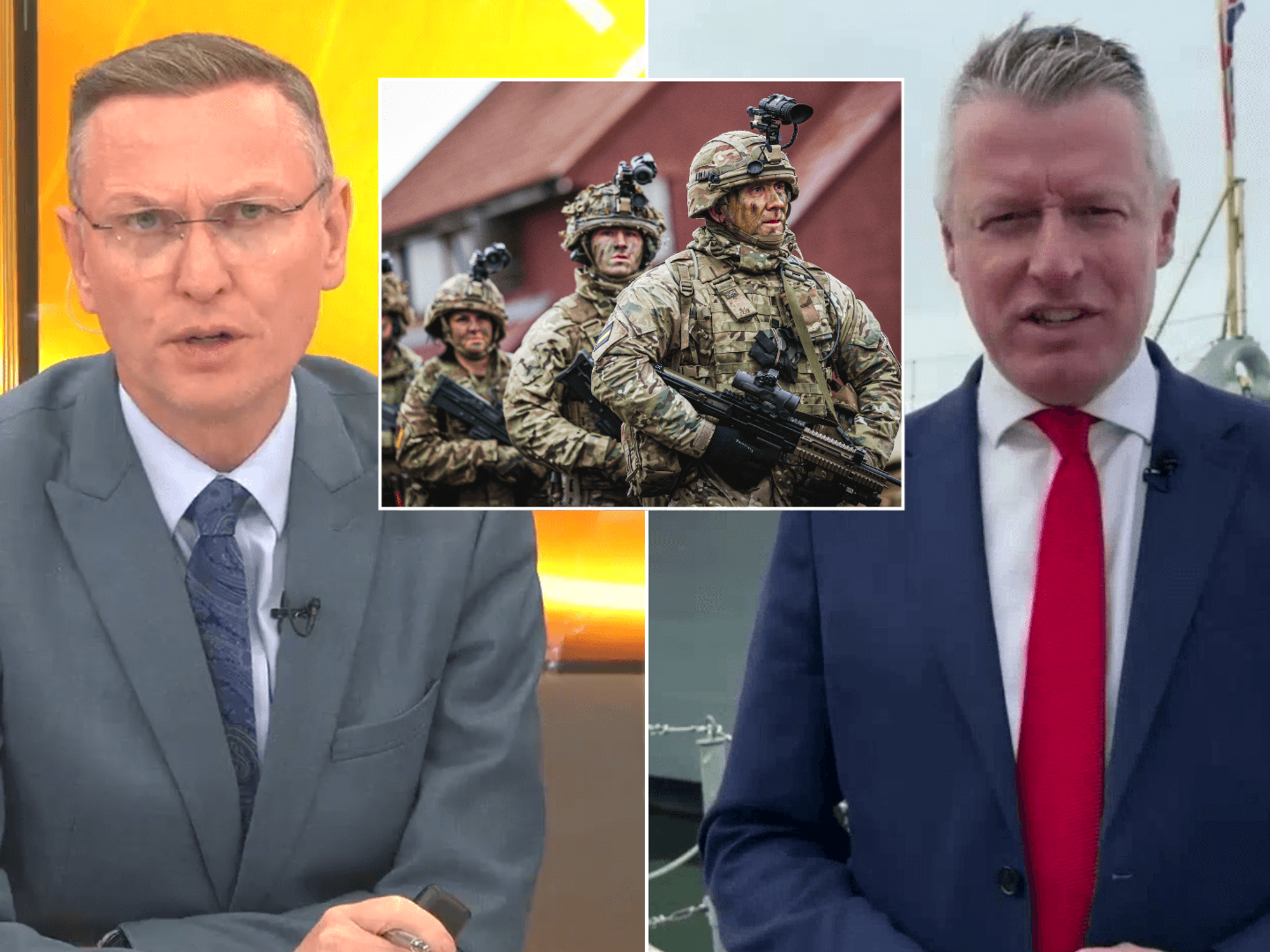
 I worked for the intelligence service. The Iran war isn’t over, and here’s why - Ronald Sandee |
 Getty Images
The HIMARS component from an artillery brigade in the US is being deployed to the Middle East while Marine units are on their way to the CENTCOM Area of Responsibility (AOR) from the Pacific.
This points to continued planning for limited ground operations. The ceasefire looks less like an end to the conflict and more like an opportunity to reinforce, regroup, and give crews a brief respite.
We all expect targeted, limited operations to begin immediately if the ceasefire collapses or is deliberately sabotaged.
And that’s why the UK and European response have been so miscalculating and damaging.
When Iran effectively shut down the Strait of Hormuz, choking off the global supply of oil, gas and critical supplies, Starmer’s instinct was to keep Britain at arm’s length, insisting this was “not our war” and limiting US use of UK military bases. That position only shifted once Iran attacked UK bases in Cyprus and elsewhere, as was always likely to happen.
But the closure of the Strait of Hormuz is the UK’s problem if energy stops flowing. No action means no oil. No LNG. No leverage. The same goes for France and multiple other EU countries.
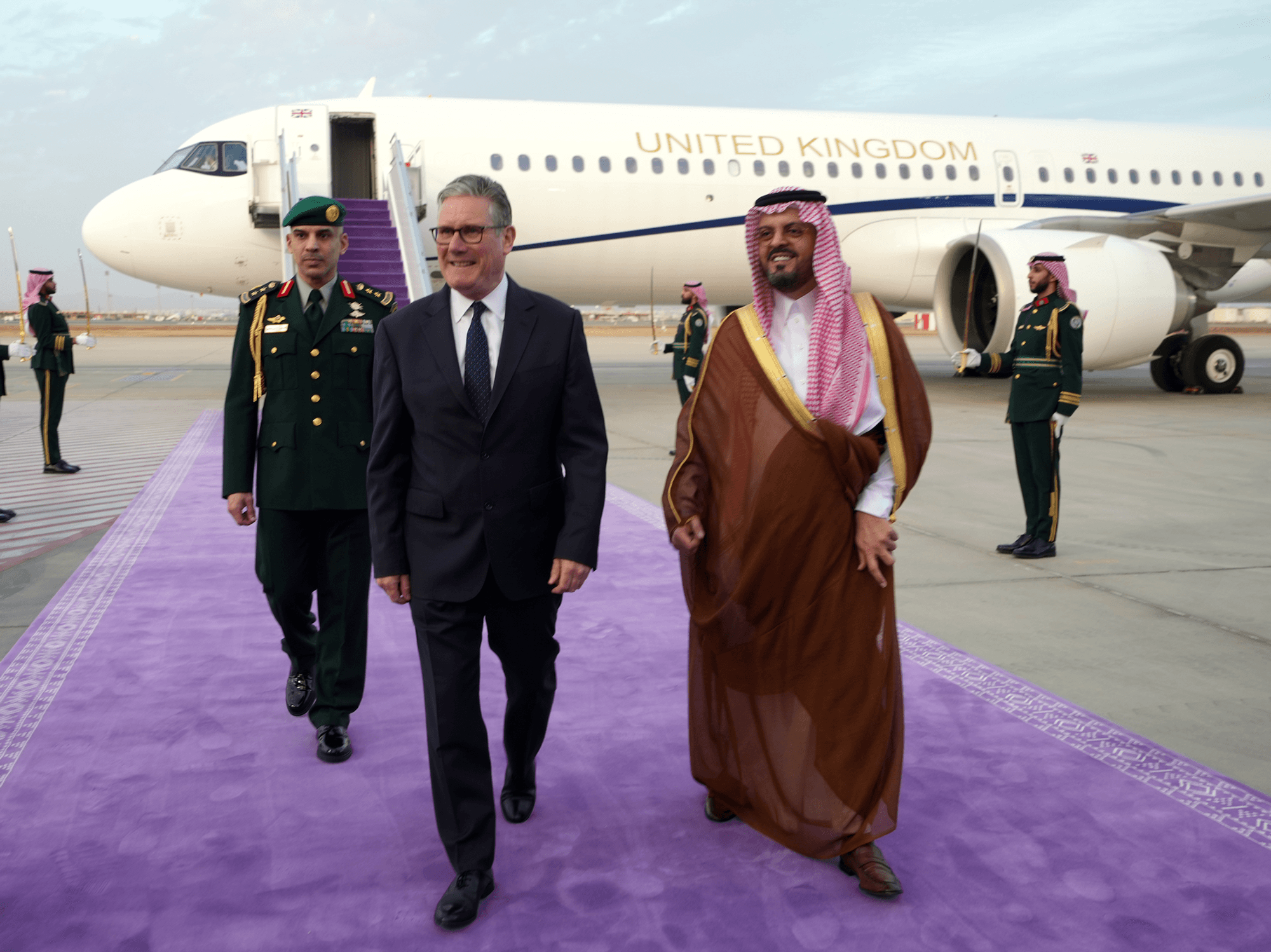
Starmer may have rushed to the Middle East to claim credit for a ceasefire he didn’t broker, didn’t see coming, and played no role in shaping, but he returns home to a weaker country that is increasingly isolated and ignored.
The truth is that the Gulf is moving on without the UK, and this should come as no surprise after the UAE publicly rebuked Labour for not tackling Islamists in British Universities.
Iran has been materially weakened, but its regional architecture remains intact. Hezbollah in Lebanon and the Houthis in Yemen continue to operate, and the US decision to force negotiations between Israel and Lebanon underscores the extent of Tehran’s enduring influence.
This is why the next phase is likely to see a more coordinated Gulf response, with key states closing ranks against Iran. The real test is whether Saudi Arabia accepts that its January escalation in Yemen backfired, strengthening not just the Houthis, but also giving space to groups like the Muslim Brotherhood and Al-Qaeda.
Expect the Gulf Cooperation Council, the political and economic alliance of Gulf states, to step up and take an active role as the region looks for a clearer, more united strategy.
The Gulf states are likely already accelerating efforts to diversify their international partnerships. There are early signs of deeper engagement with China and other regional actors, reflecting a broader shift towards strategic autonomy.
Britain is being frozen out of the Gulf on Starmer’s watch, and that loss of influence could be permanent.
Our Standards: The GB News Editorial Charter