





It was one of the most troubling images I’d seen. Two Metropolitan Police officers were manning the barriers at a protest in central London organised by the Black Lives Matter (BLM) movement in the wake of the George Floyd killing. Only these officers were not focused on their duties. Instead, both had dropped to one knee – a deliberate gesture designed to show they were on the side of the protestors. The officers had become part of the demonstration they were there to police.
Anyone who believed that the thin blue line existed to uphold the law impartially – and particularly when policing high-profile political demonstrations – might, at that moment, have been disabused of such a notion.
Or perhaps that happened a few days later when police officers in Bristol purposely refused to intervene while BLM protestors vandalised a statue of Edward Colston and tossed it into a river.
Or maybe on the numerous occasions that officers had been filmed, in uniform, dancing and prancing at Pride parades. Or when a Deputy Chief Constable released a video to mark “International Pronouns Day”. Or when any number of citizens were arrested for saying and doing things – reading from the Bible in public, for example – which were deemed to have offended against modern progressive ideology.
Such spectacles provided confirmation that, as well as being occasional defenders of law and order, police officers were now also political activists – and specifically for the most modish causes. Nowhere was this more evident than in the arena of racial politics, where the stance of the police was often scarcely different to that of some of Britain’s most radical race activist groups.
As it was for the police, so it was for most of the public sector, where a new “lanyard class” of middle-class white liberal managers, armed with university degrees and guilt complexes, now ruled the roost, peddling hardline progressive dogma and professing to bring harmony and unity while increasingly doing the very opposite.
As someone who has worked in an emergency service for nearly 30 years, I have seen this phenomenon up close. A well-intentioned and justified desire to eliminate prejudice began to mutate into something very different – namely, a relentless political crusade which encouraged workers to see themselves as members of either a privileged or oppressed class, bombarded them with lectures promoting the new religion of “Diversity, Equality and Inclusion”, and made career progression contingent upon being able to preach that particular gospel on demand.
And it was all buttressed by the Equality Act 2010, which – read Part 11 of the Act if you don’t believe this – made it perfectly legal for certain workers to be treated more favourably on account of their “protected characteristics” (of which race is one).
For the police, the road to this new politicised world began with the appalling murder of Stephen Lawrence and the subsequent Macpherson Report, which branded the force institutionally racist, and for which senior officers seem to have spent most of the years since desperately trying to atone. This has led them to some pretty dark places. It is, for example, the current position of the National Police Chiefs’ Council, as set out in its “race action plan”, that its desired goal of “racial equity” means “responding to individuals and communities according to their specific needs” and that “it does not mean treating everyone the same or being ‘colour blind’.” So much for equality before the law!
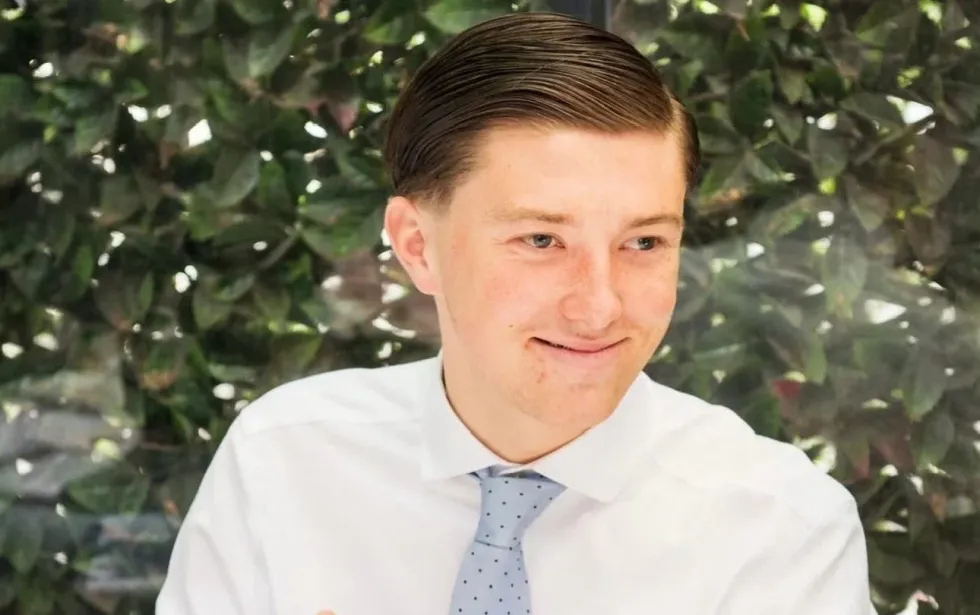
Henry Nowak was stabbed nine times by Vickrum Digwa who then claimed to officers that Henry had racially abused and assaulted him
|The same document also resolves to bring about “an end to racial disparities” in policing outcomes, including “the likelihood of people being criminalised by the police” – seemingly without concern for the differing rates of criminality among certain groups. The whole thing reads as if it has been penned by the most militant BLM activist.
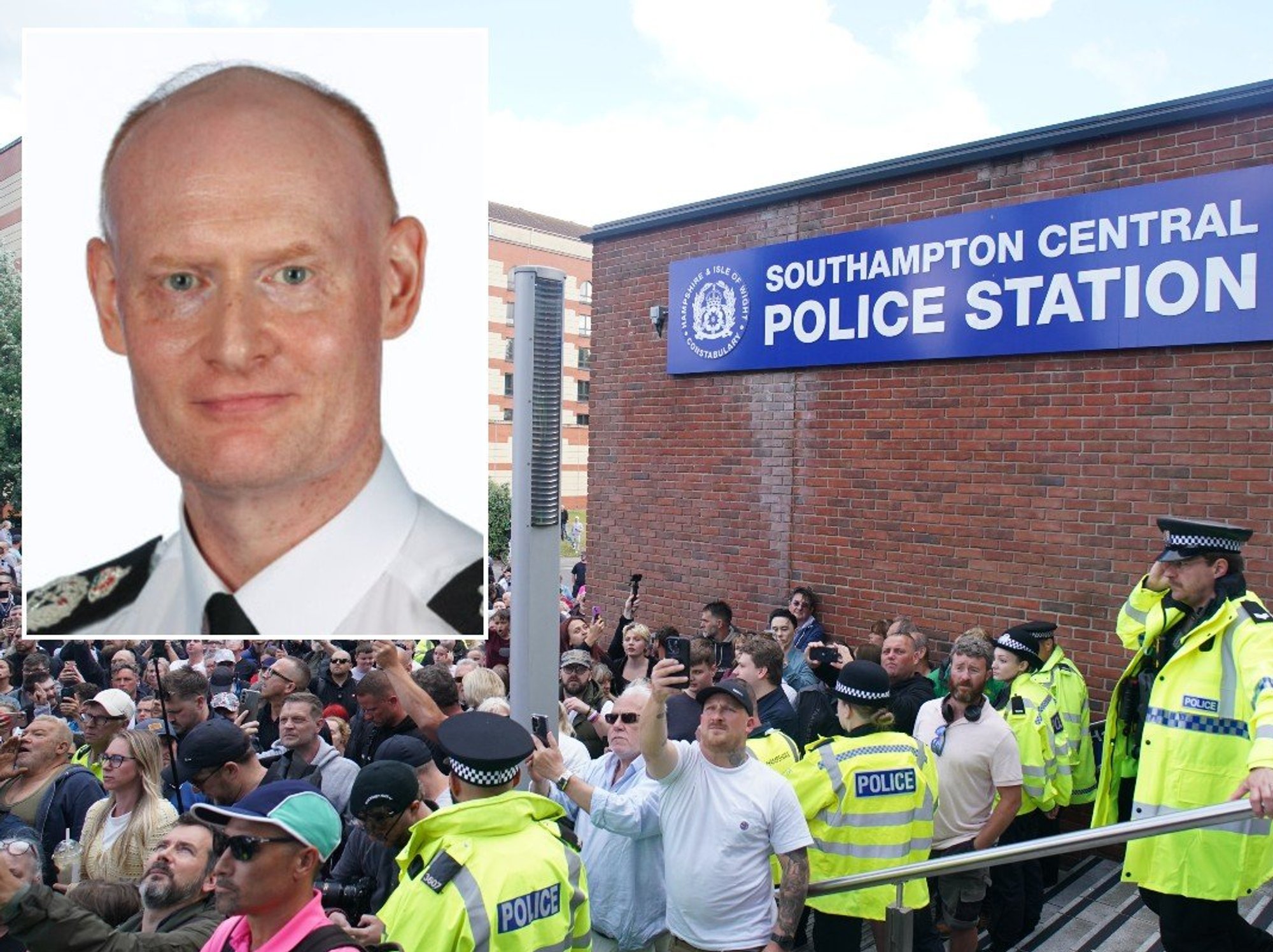
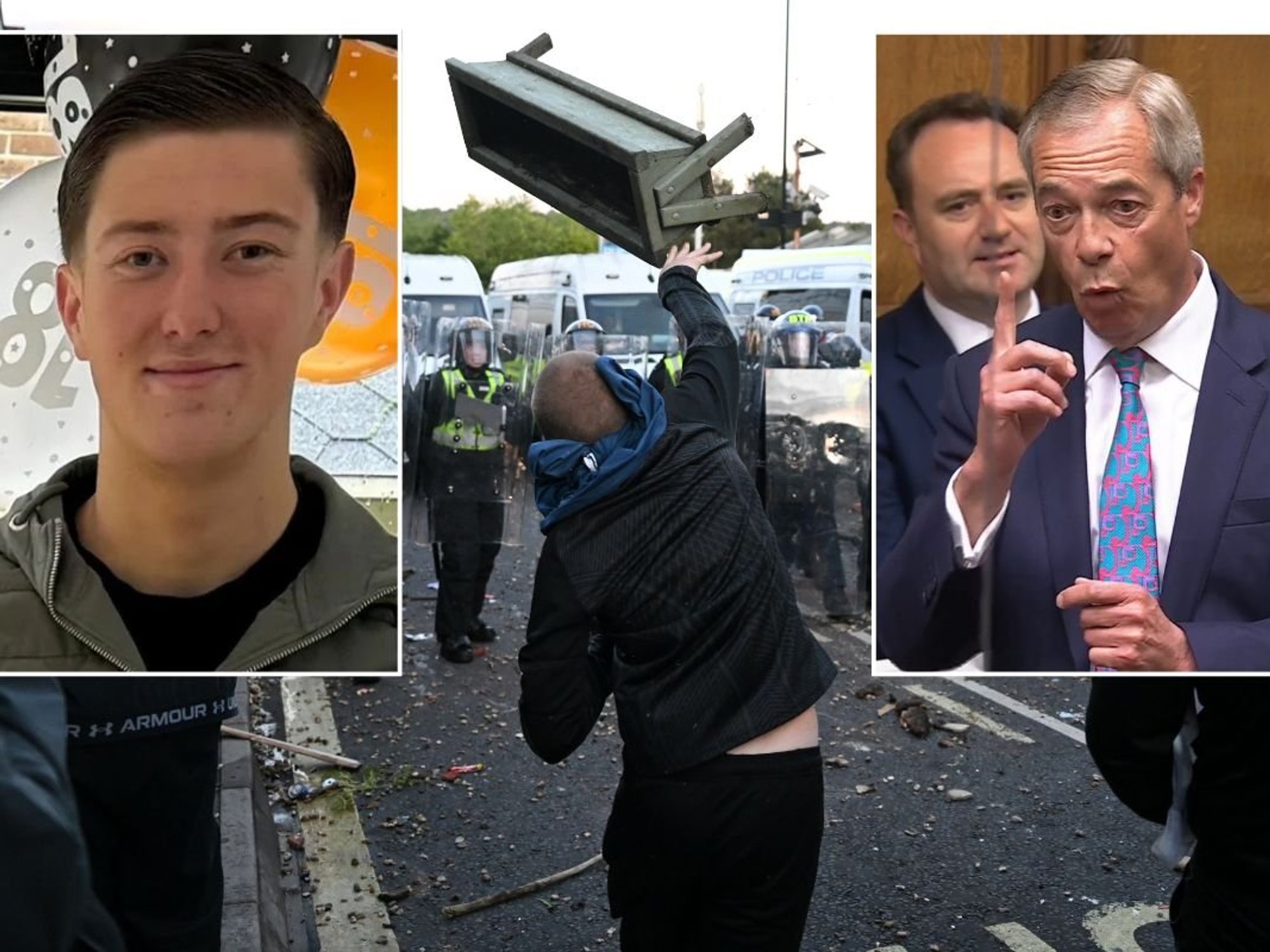
You can probably guess where I’m going with all this. It was against this whole backdrop of incessant race-based teaching and propaganda that police officers arrived at Belmont Road, Southampton, last December, having been mobilised to an altercation. Henry Nowak was bleeding out on a driveway. The man who had stabbed him nine times, Vickrum Digwa, claimed to officers that Henry had racially abused and assaulted him. A prostrate Henry, gasping for air, told the officers several times that he couldn’t breathe. He also said he’d been stabbed.
But that didn’t matter. For the key accusation had already been made. The other man had alleged racism. That was enough for all the necessary warning lights and alarms to go off in the minds of the officers and for their intensive conditioning to kick in. Doubtless Digwa made the allegation in the full knowledge that that would be its effect.
Henry’s protests were ignored. He was placed in handcuffs and shortly thereafter departed this world. As the father of a boy, like Henry, in his first year at university in an ordinary English city, I cannot begin to explain how moved – and angered – I was when viewing footage of the incident.
I don’t know if the officers were motivated specifically by anti-white bias. But I think it highly likely their inexcusable actions were in some way influenced by the ethnicity of the perpetrator and his claim of having been racially abused and assaulted.
In light of everything that police officers have been force-fed in the way of DEI dogma over the past quarter of a century, it is hard to see how it could have been otherwise. In fact, such is the intense focus on racial bias training in the constabulary concerned – Hampshire and Isle of Wight – a number of its officers have reported feeling “controlled and pressured” by it. The same constabulary has publicly declared that “Being anti-racist, ethical and inclusive is top of our agenda.” You might have thought that preventing and detecting crime was the main priority for any police force. You’d be wrong.
It doesn’t take a lot, in this context, to see how police officers feel obliged to walk on eggshells when dealing with minority communities, or why they look the other way when, for example, evidence emerges that groups of Pakistani Muslim men were systematically raping young white girls in towns across England. Get it wrong, and bang goes the career. So best keep schtum.
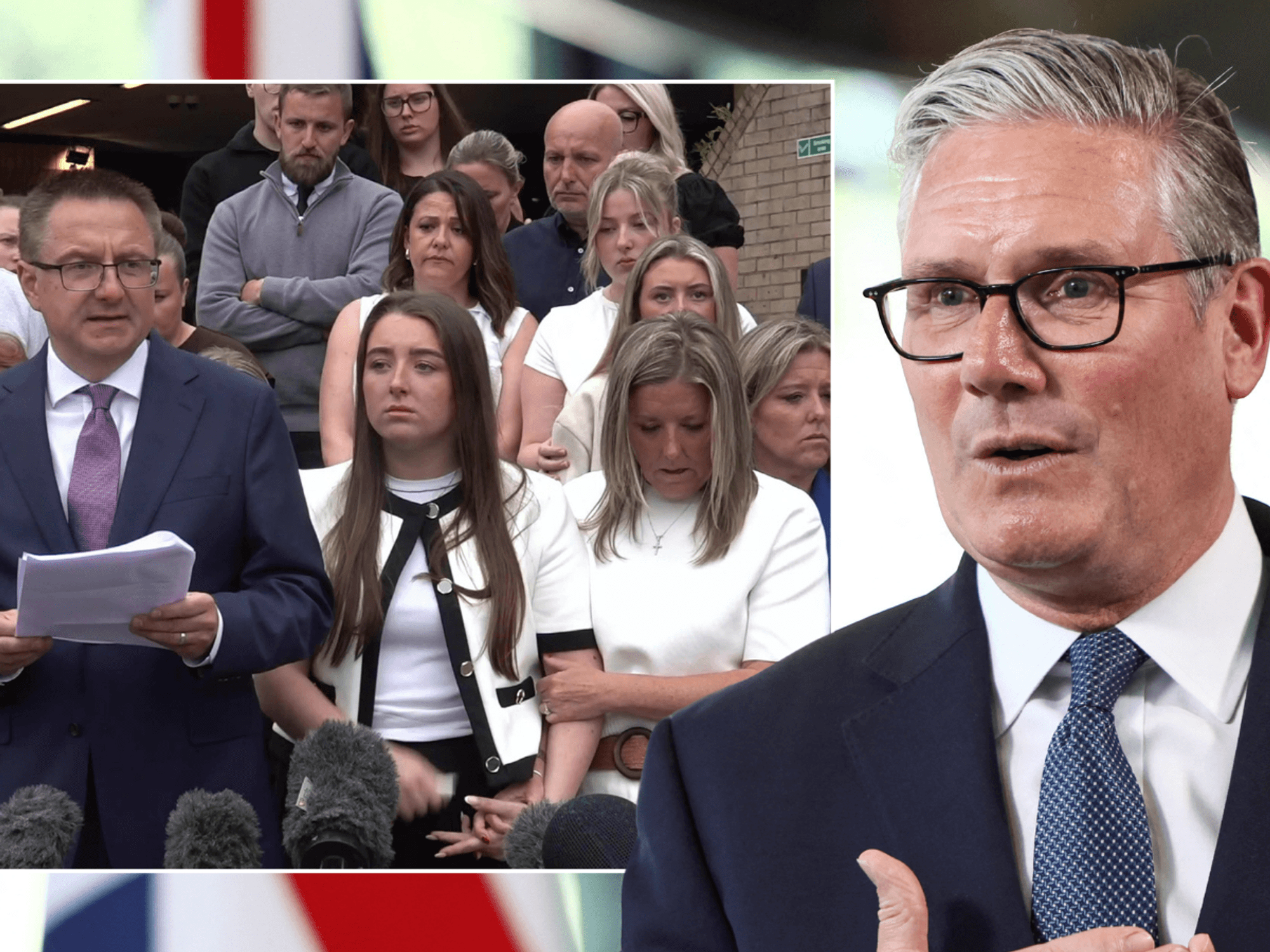
The reaction of the progressive elites to Henry Nowak’s murder is also highly instructive. When George Floyd was murdered, politicians and celebrities aplenty lined up to express their indignation and support the protests that swept the US and Britain. The “rage against the machine” was, apparently, justified back then. But now all we get are appeals not to “politicise” the murder of a young man or to “stir up tensions”.
These elites are playing with fire. The public can see their two-tier approach, and they don’t like it. People recognise, too, that there has been a massive oversteer in the anti-racism crusade, and that it is leading to its own serious injustices and inconsistencies.
When even Jack Straw, Home Secretary when the Macpherson Report was published, argues that police anti-racism guidelines have gone too far, we are obliged to listen.
Ultimately, this isn’t just about the tragic last moments of a university student on a street in Southampton. It is about everything that goes with it, in particular, the stark divergence in priorities between a ruling class and a large chunk of the populace that increasingly feels as though the state machine is biased against it.
For that reason, I sense that the Henry Nowak murder will, in years to come, just like the Southport massacre, be seen as a pivotal moment causing a decisive shift in the public mood. I suspect that our politicians sense it, too. Which perhaps explains why they are so desperate to quell the growing public backlash.
I fear they are too late. The anger and discord are here to stay.