




When the Free Speech Union argued that the Government's official definition of Islamophobia - now repackaged as "anti-Muslim hostility" - would amount to an Islamic blasphemy law via the back door, some called us hysterical.
Given the non-statutory nature of the definition, the Free Speech Union knew that public bodies and well-meaning organisations would go further still, adopting their own bespoke definitions and guidance.
In the three months since the definition was announced, we have been proved right, repeatedly.
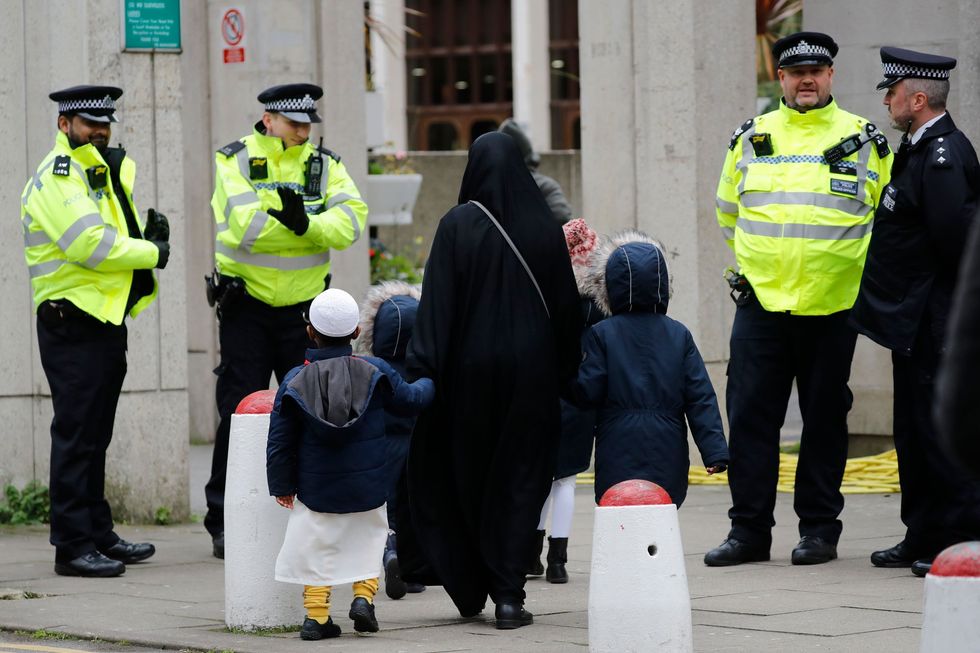
South Wales Police is zealously enforcing its own Islamic blasphemy law, with chiefs instructing officers to record instances of "hostility" towards Muslims.
Officers have been told they must log anything that goes beyond "legitimate" discussion of Islam.
But what constitutes "legitimate" discussion of Islam in a country that abolished blasphemy laws 18 years ago?
In a free society, no single religion can command greater legal protection than another. Nor is it illegal to criticise, challenge, debate, or mock any religion.
It is plain to see that this subjective guidance hands officers of South Wales Police the power to decide what constitutes acceptable speech about Islam — which will inevitably have a chilling effect on freedom of expression.
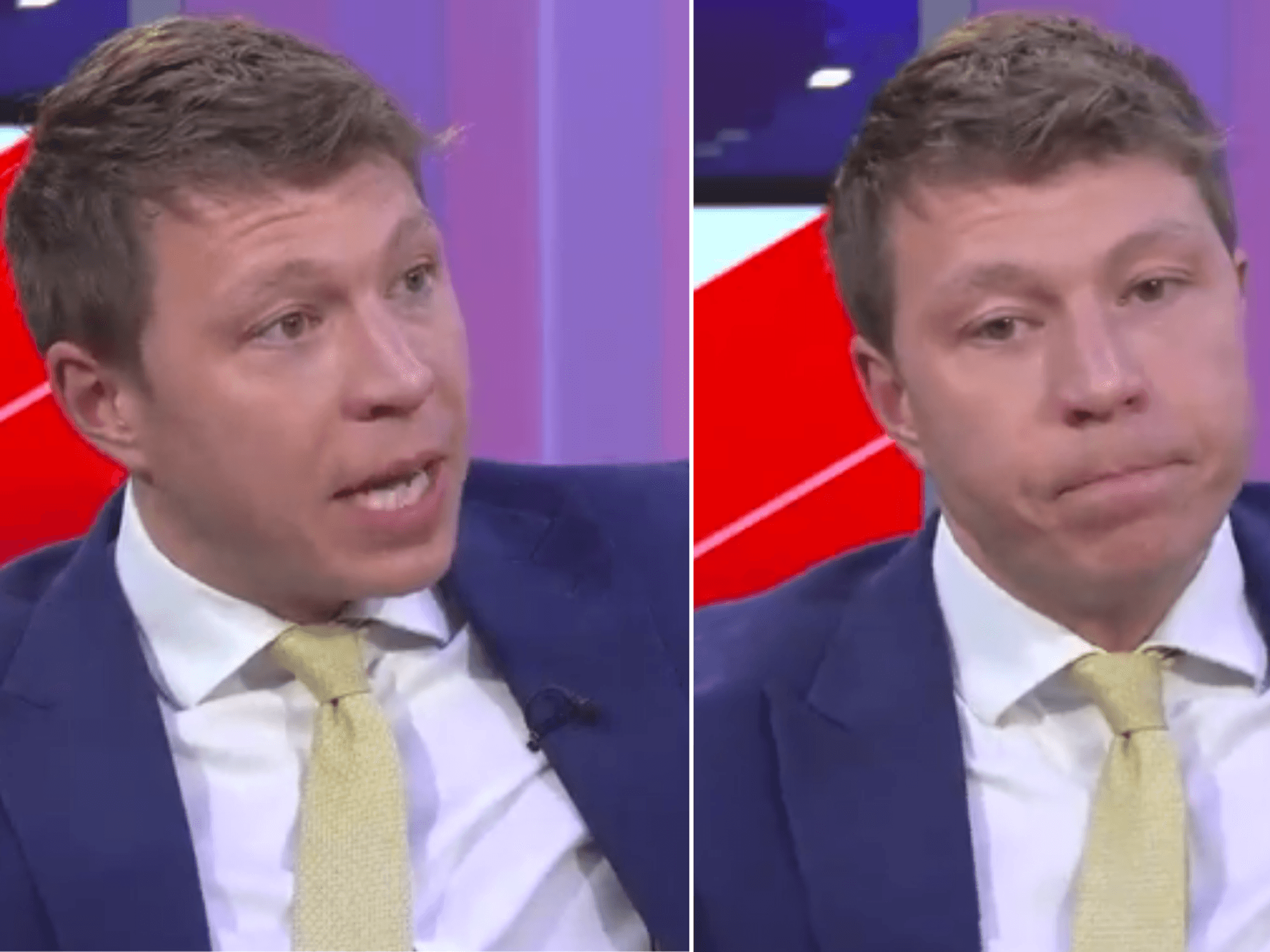
What constitutes 'legitimate' discussion of Islam in a country that abolished blasphemy laws 18 years ago? asks Max Thompson
|GETTY
This is a gold-plated, beefed-up definition of Islamophobia.
Should an officer decide that someone has crossed the line of what they deem acceptable speech about Islam and Muslims, the police will, in all likelihood, create a record of an anti-social behaviour incident - the successor to the Orwellian non-crime hate incidents (NCHIs) - which could then be disclosed in an enhanced DBS check and prevent someone from getting a job.
This comes at the very moment we might have expected the police to focus on recording actual crime, rather than the hurt feelings and playground disputes that constituted the non-crime hate incident regime.
The Free Speech Union has written to South Wales Police demanding that it withdraw guidance which will have a chilling effect on free speech.
Should it fail to do so, it has been warned that legal action by way of judicial review will follow.
In a letter to the force, lawyers at the Free Speech Union wrote: "The memo issued by South Wales Police gives rise to an unjustified chilling effect on lawful expression and belief.
"Individuals are deterred from expressing religious, philosophical or political views, or from manifesting their beliefs, by the knowledge that doing so may result in police categorisation and recording as an instance of hostility, notwithstanding the absence of any criminal conduct."
South Wales Police's interpretation adds an extra phrase to the Government's definition that will have a chilling effect on free speech and adversely affect people's employment prospects.
As a result of this policy, individuals may be unable to predict whether their lawful speech or beliefs will be recorded by the police, or how any resulting record may be used, retained, or relied upon.
If an officer decides that someone has crossed the line of what they deem "legitimate" debate around Islam and Muslims, the police will in all likelihood resort to logging this down as an anti-social behaviour incident.
This could then be disclosed in an enhanced DBS check and prevent someone from getting a job.
We will inevitably see women who call the burka a tool of oppression logged for anti-social behaviour incidents, alongside those who criticise halal food or public prayer events.
Most concerning of all, the policy will suppress those who wish to speak out on sensitive topics - the grooming gangs scandal, Islamist extremism - including holders of public office and media figures, for fear of acquiring a black mark on their record.
Last week, The Telegraph revealed the story of a woman who was sacked from her role as chair of Bradford Police Scrutiny Panel after insisting that West Yorkshire Police address the "elephant in the room" of Islamist extremism at an emergency meeting held in the wake of the terrorist attack on a synagogue in Manchester.
This zealous enforcement of bespoke blasphemy laws by police forces across the country is a threat to free speech and will hinder the return to common-sense policing.
South Wales Police is not alone in taking such action. We must fight back against the return of Britain's blasphemy laws.