




When I was Defence Secretary, Britain sent gunboats to Venezuela for a simple reason: Nicolás Maduro is a dictator who stole an election and was threatening a neighbouring democracy.
That neighbour, Guyana, happens to be a Commonwealth country. And when dictators start rattling sabres at smaller states, the correct response is not handwringing but deterrence.
Maduro’s regime was already illegitimate. His election theft was blatant, his grip on power enforced through intimidation, repression, and corruption.
The territorial threat to Guyana’s Essequibo region wasn’t a historical misunderstanding dusted off by accident – it was a deliberate attempt to manufacture nationalist legitimacy while his country imploded. In those circumstances, Britain acted.
We sent naval assets not to provoke conflict, but to prevent one. It worked.
That episode matters now because it exposes a persistent illusion in Western foreign policy: that dictators can be managed with process rather than power. They cannot. They respond to clarity, strength, and consequences. Remove those, and aggression follows as night follows day.
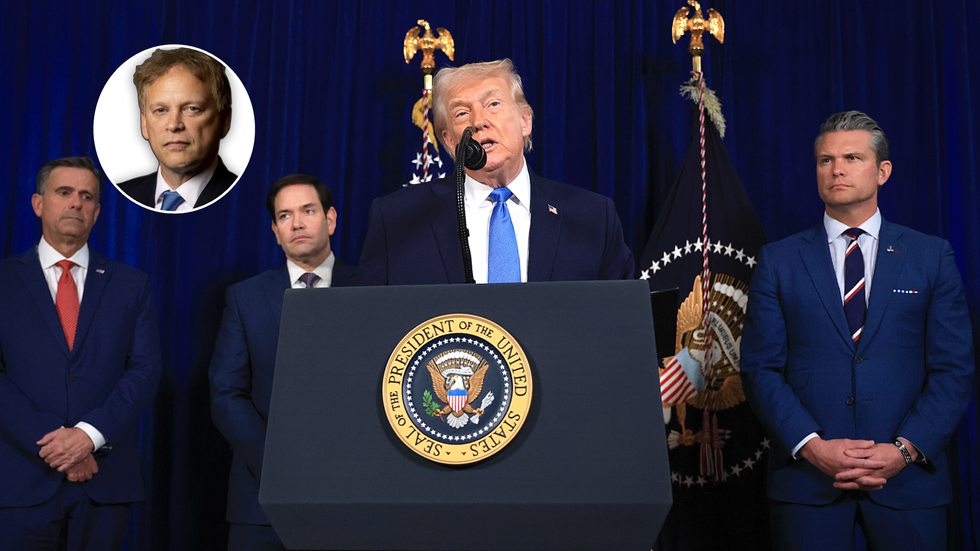
I sent a gunboat to Venezuela. Donald Trump is about to face his most torturous test yet - Grant Shapps
|Getty Images
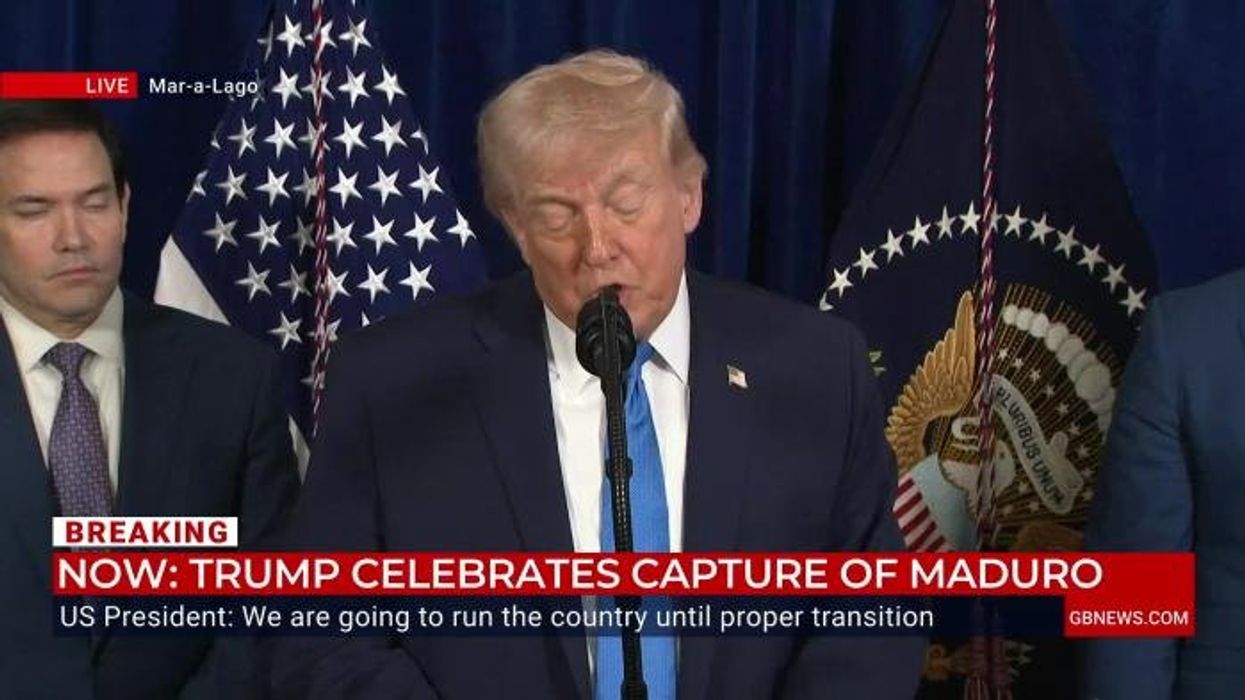
Which brings us to this weekend. Donald Trump’s decisive action against the Maduro regime has triggered predictable outrage from the professional worriers of international politics.
There are solemn warnings about escalation, norms, and tone. But here is the uncomfortable truth: Maduro did not fall because of dialogue, conferences, or carefully calibrated statements.
He fell because the protection racket around his stolen power finally collapsed.
Venezuela under Maduro became a criminal enterprise with a flag. A narco-state exporting instability, organised crime, and misery across an entire region.
Millions fled. Elections were mocked. Opponents were silenced. And all the while, much of the international community perfected the art of sounding concerned while doing nothing.
So yes, I applaud Trump’s action here. It demonstrates something too many Western leaders have forgotten: that deterrence works, and that inaction is itself a choice – usually the wrong one.
That said, there is a glaring inconsistency. If Trump is prepared to act decisively against a dictator who steals elections and brutalises his people, why does that same resolve not apply to Vladimir Putin – a far more dangerous autocrat who has invaded a democracy, flattened cities, and destabilised Europe? Moral clarity only works if it is applied consistently.
There is also a lesson closer to home. While Trump takes direct action against those who threaten democracy, Keir Starmer appears to be moving in the opposite direction – busily giving away British territory, such as the Chagos Islands, and astonishingly paying for the privilege.
It is a striking contrast between a willingness to defend national interests and an eagerness to surrender them.
What should happen next in Venezuela is clear. A managed transition back to democracy, internationally overseen elections that count, and sanctions relief tied to compliance – not promises.
The lesson from sending that gunboat to Venezuela was straightforward. Dictators only respond to a show of force. When democracies act with resolve, they prevent wars rather than start them. When they hesitate, dictators fill the vacuum.
Maduro tested the world and lost. That is not a tragedy. It is a warning to others who think stealing elections and threatening neighbours come without consequences.
Our Standards: The GB News Editorial Charter