









Of all the times to steal a statue honouring those who landed in Normandy to liberate France, a few days short of the 82nd anniversary is one of the worst. Not that there is a good time.
A bronze monument to British soldiers killed during the liberation of France was stolen a week before D-Day anniversary commemorations. The one-tonne statue of a piper of the 51st Highland Division during the Second World War at Bréville-les-Monts, north of Caen, vanished on Friday.
Friends, families, veterans, and the local French population are justifiably outraged. To dishonour the memory of those who gave their lives during one of the most important operations of the War is beyond reproach.
The 51st Highland Division landed as a second-echelon force on Juno Beach. The lead elements, the 153rd Brigade, arrived on the afternoon of D-Day (June 6, 1944), with the remaining brigades following over the next several days (June 7–10, 1944).
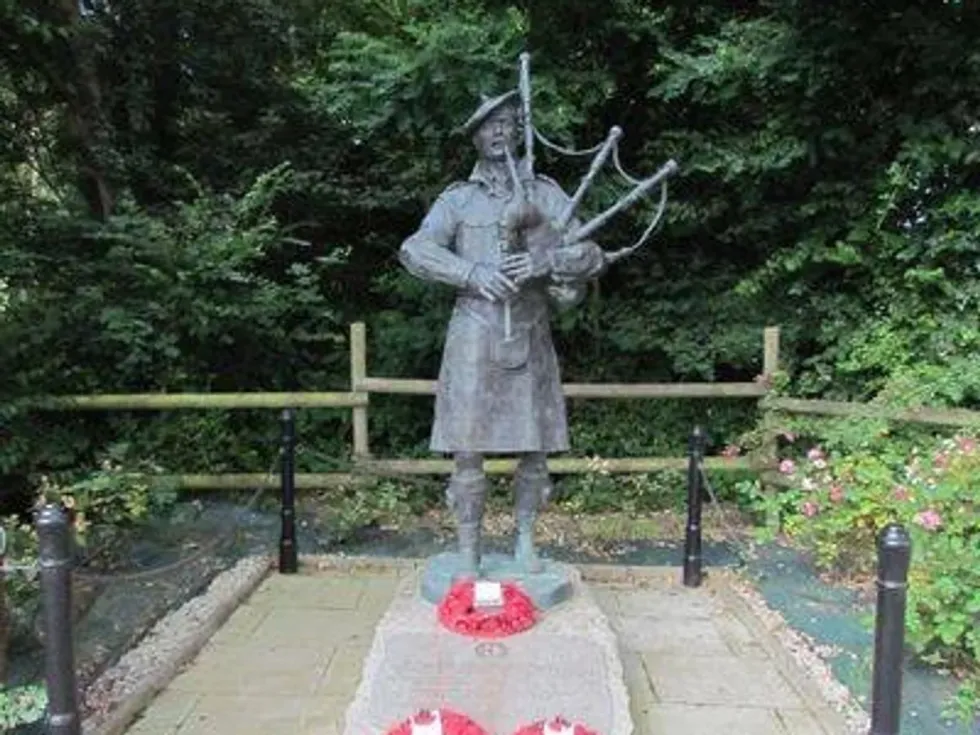
The statue was dedicated to Scottish infantrymen who landed on the shores of northern France on D-Day
|FACEBOOK/MAIRIE DE BRÉVILLE-LES-MONTS
The 153 Infantry Brigade was made up of three Scottish infantry battalions – 5th Battalion The Black Watch, 1st Battalion The Gordon Highlanders, and 5th/7th Battalion the Gordon Highlanders. It is thought the missing statue was modelled on a piper from the Black Watch.
Sadly, the most likely fate of the statue is that it will be broken up, sold as scrap, and melted down. Unscrupulous metal dealers will not care where the scrap comes from as long as they can make a profit from it. It is also likely that the thieves have done this sort of thing before.
Such despicable thefts are not, however, confined to across the Channel.
Only a few years back, the war memorial in my childhood village of Carmunnock, just on the outskirts of Glasgow, was similarly desecrated. The bronze plaque commemorating the village’s dead from the two world wars was stolen and never recovered. That my uncle’s name was one of those inscribed on the plaque made it all the more painful.
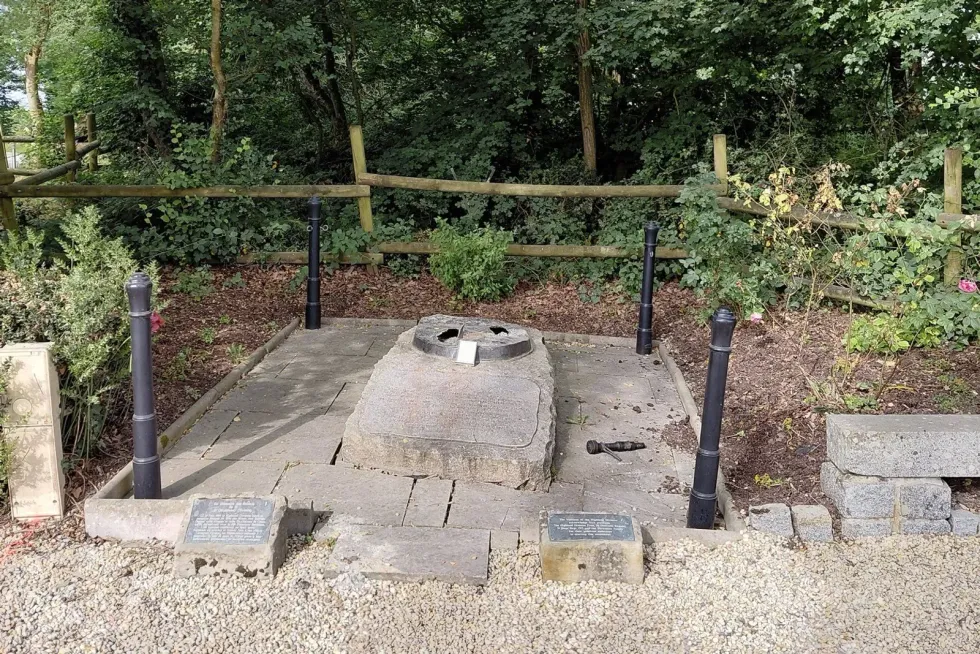
The theft comes just days before the town was due to mark the D-Day anniversary
|FACEBOOK/MAIRIE DE BRÉVILLE-LES-MONTS
This latest outrage has happened at a time when, a few months back around Armistice Day, I was writing that there seemed to be a renewed interest in the younger generations of the deeds and bravery shown by
their ancestors. I’m sure they will be just as shocked and angered by this wanton vandalism as the old and bold.
The nation’s sacrifices in both wars are deeply etched in our collective psyche, and those who predicted that memories were bound to fade may have spoken too soon, even as those who participated in such monumental events are now nearly all faded away.
As for the stolen statue, well, I fear it has gone forever. Whether it will be replaced by a copy of the original memorial, or perhaps a new original design, remains to be seen.
It cannot, however, be beyond the wit of man to embed a tracker device in a future statue to deter thieves and ensure it can be quickly tracked and the miscreants hopefully apprehended. Not that we should have to, of course.
We owe it to previous and future generations to try our best to ensure that such events are not forgotten. Treating the memorials and statues to those who didn’t return home with the utmost respect isn’t too much to ask, is it?