






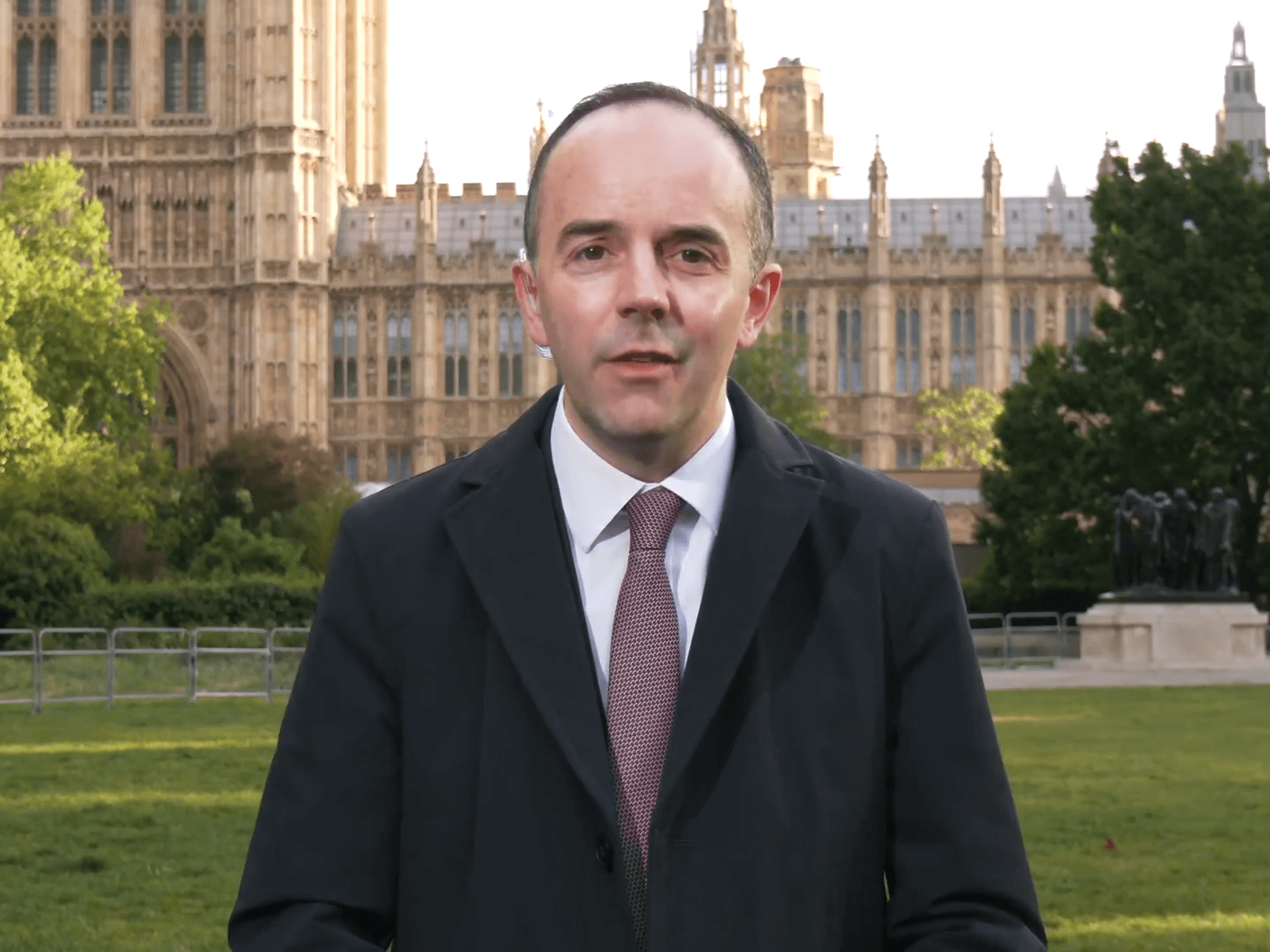



The leader of North Lincolnshire Council says the future of the steel industry in Scunthorpe must be secured, after plans were set out to bring British Steel under public ownership.
Councillor Rob Waltham told GB News that protecting steelmaking in Scunthorpe matters, not just to North Lincolnshire, but to Britain’s economic security, defence capability and industrial independence.
It comes as Sir Keir Starmer yesterday announced new laws he said will give the Government "options" to protect the industry and Scunthorpe workers.
The Prime Minister set this out in a speech where he defended his leadership following Labour's huge losses in the May elections, and said his Government's previous intervention in the Scunthorpe plant saved thousands of jobs and protected the industry, in one of its "proudest" moments.
Last April, emergency legislation was brought in last April amid accusations Jingye, the Chinese firm who own British Steel, was planning to switch the furnaces off, meaning the UK would no longer have had the capability to produce virgin steel, due to the process of restarting them being extremely difficult and costly.
Until now, the Government stopped short of taking British Steel back into full public ownership as it looked for potential private investors for the plant, but legislation will now be set out to nationalise British Steel, 38 years since the firm was first sold off.
British Steel employs 2,700 workers in Scunthorpe and is the last plant in the UK producing virgin steel, which is used in large construction, infrastructure and defence projects.
It has fewer imperfections than the recycled steel and if it stops producing virgin steel, Britain would be the only member of the G7 group of leading economies without the ability to make it.
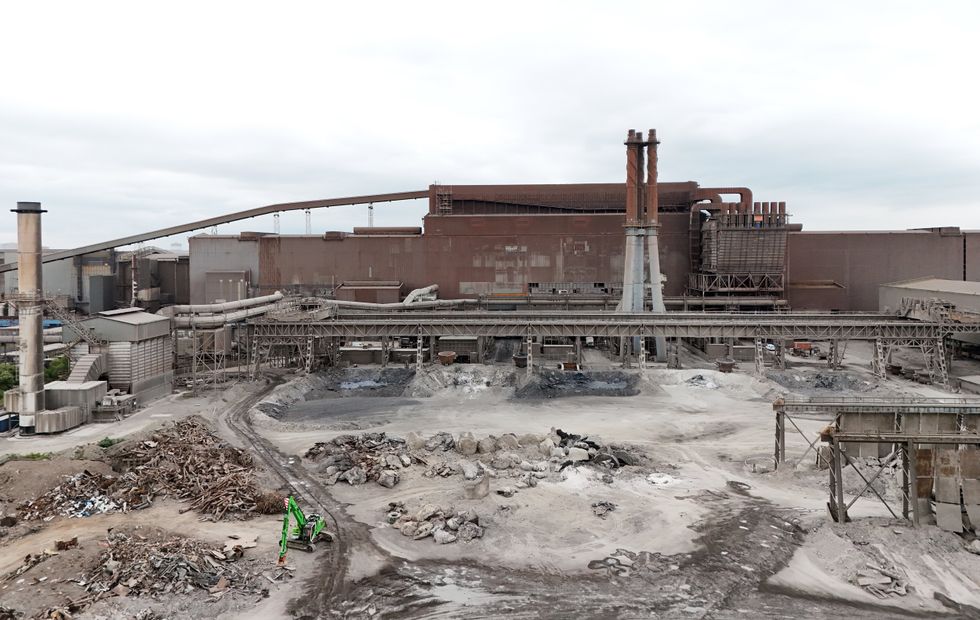
British Steel employs 2,700 workers in Scunthorpe
|PA
Cllr Waltham, leader of North Lincolnshire Council, told GB News: "We don't know all the details, but broadly, nationalisation is what needs to be done because we've got to secure the future of our steel industry.
"It's bonkers that at this time in British history, in world history, that with the world being so volatile, you couldn't make your own steel to secure railways and construction, so it's critically important this happens.
"If you don't have steel security, it's like food security, right? You surrender those things to other nations, effectively. What you're saying is you're not a sovereign nation," he said.
"You haven't got that capacity to be able to do what we need, and, you know, defence is a key element of our future. The world is volatile. Steelmaking is not only in the heart of Scunthorpe, it's also critical to the whole of our existence as a country, to our economy. If you're going to have growth, you need steel."
LATEST DEVELOPMENTS:
The Government’s intervention last year ended its redundancy consultations, which could have seen thousands of jobs lost, and affected customers in the supply chain, such as Network Rail.
It also meant the Scunthorpe blast furnaces were able to continue operating, as British Steel's Chinese owner, Jingye, was considering shutting them down after announcing it was losing £700,000 a day due to challenging market conditions, tariffs and high environmental costs.
Two of the blast furnaces used the site were first built in 1938, with the second pair following in 1954.
They have been upgraded many times since, but the consensus in industry is that the two queens still operating have reached the end of their life.
At the same time, the rise of China’s economy has upended the industry, flooding the global market with cheap steel and putting enormous pressure on companies around the world, leaving private sector owners struggling to make profits.
A report by the National Audit Office (NAO) found the Government’s move to protect the Scunthorpe site cost it £377million between April 2025 and January 2026.
An additional £15million was spent on advisers and £359million to the company for operating activities such as paying for raw materials, payroll and other costs.
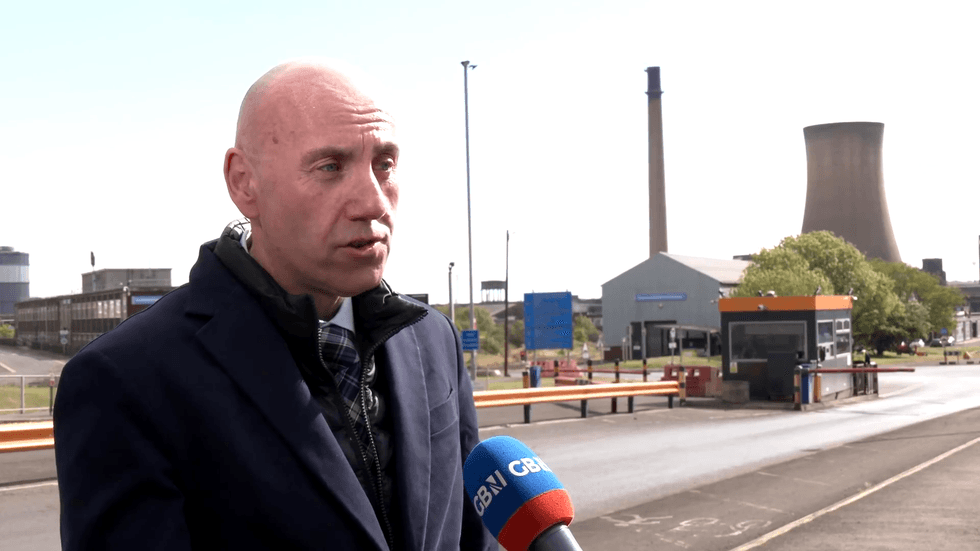
Cllr Rob Waltham warned 'we can't afford to lose virgin steel making'
|GB NEWS
"It's got to re-set it's business model, making sure there is investment in the energy and the processes that make it efficient, and then you've got a fighting chance of making the steel we need," said Cllr Rob Waltham.
"What we can't afford to lose is virgin steel making, as it's that which sets us aside from the other nations - why would we want to import steel at a lesser quality from other nations when we can make it ourselves?
"Steelworkers and their families are also looking for certainty about the future of the site - they want to know there is a serious long-term plan for steelmaking, investment and jobs in this town. Scunthorpe deserves a future, not perpetual uncertainty.
"We have the land, the people, the infrastructure and the capability to become one of the UK’s most important strategic manufacturing and engineering locations.
"We can move from not only protecting existing jobs, but creating thousands more through advanced manufacturing, engineering, logistics, energy and supply chain industries.
"I will work closely with Government and industry to secure a definitive long-term commitment so that we can get on with the hard work of building a brighter and more prosperous future for Scunthorpe."
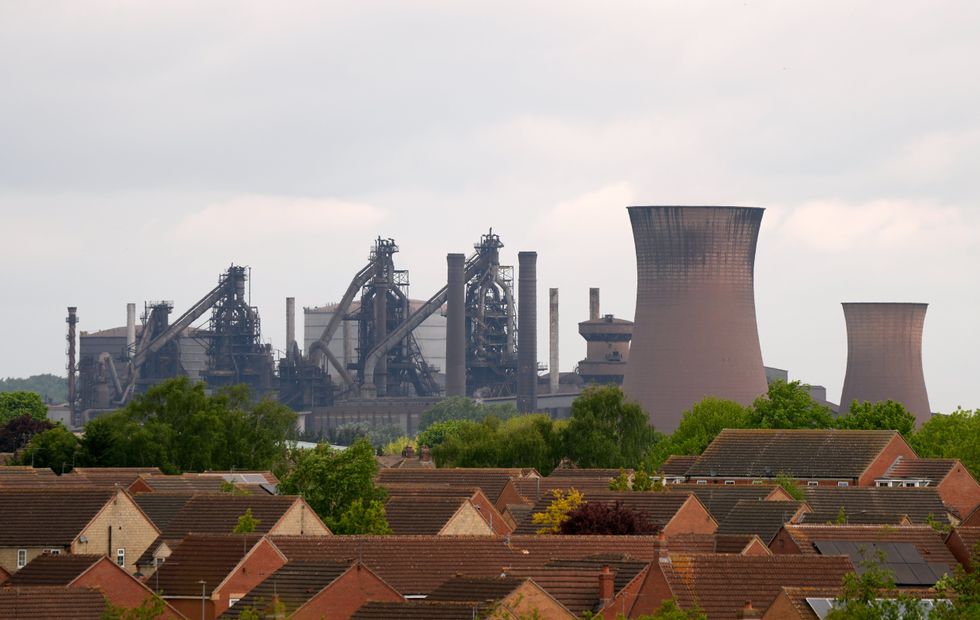
The steel union GMB also welcomed the move to nationalise British Steel, which it said will 'protect it from foreign owners'
|PA
The steel union GMB also welcomed the move to nationalise British Steel, which it said will “protect it from foreign owners”.
Charlotte Brumpton-Childs, GMB national secretary, said: “This legislation will cover the whole steel industry – it isn’t specifically for British Steel but it is what will protect it from foreign owners.
“British Steel is a nationally strategic asset, it is right the Government does everything in its power to secure its long term future.”
Gareth Stace, director-general for trade association UK Steel, welcomed the decision that he said “provides vital certainty for the workforce, the company’s customers and the wider supply chain at a critical moment”.
He added: “Nationalisation is not an end goal - this must now be the beginning of a clear and credible long-term plan for British Steel.”
Sir Keir Starmer has said a public interest test to justify full nationalisation "could be met".
The test will consider factors including national security, maintaining critical national infrastructure and supporting the economy.
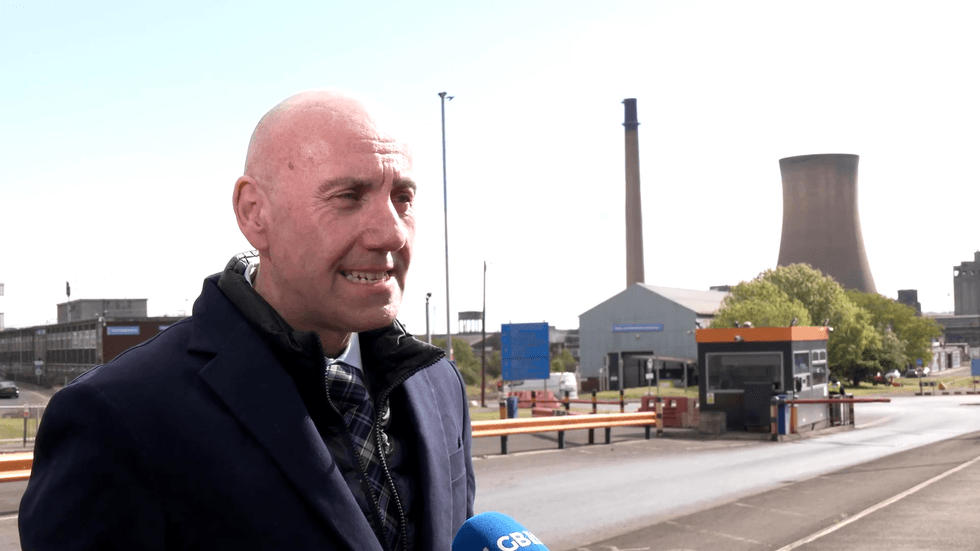
Cllr Rob Waltham said he would work closely with Government and industry to secure a definitive long-term commitment
|GB NEWS
The aim of nationalisation would be to safeguard UK steelmaking capacity and avoid a possible halt of production at Scunthorpe.
Business Secretary Peter Kyle added to this and said: “Revitalising our steel sector is a top priority for this Government and bringing forward this legislation would allow us to explore potential future options for British Steel.
“The Government recognises that securing the long-term future of the UK’s steel sector relies on both public and private investment for modernisation.”
Downing Street said an independent valuation would take place to determine the potential cost of nationalising British Steel, with the Prime Minister’s official spokesman adding: “Where the powers in the bill are used, an independent valuer will be appointed to determine what compensation, if any, is payable, and the UK Government will, of course, abide by the valuer’s conclusions.”
The announcement comes after Cabinet ministers have today met with Sir Keir Starmer, as the Prime Minister vows to fight on despite mounting calls for him to quit.
Four senior ministers spoke out in support of the beleaguered Labour leader after he told his gathered Cabinet he would continue governing.
But, other Cabinet ministers, including those thought to have told Sir Keir to quit, left the meeting without speaking to reporters, pointing to splits in his top team over his future.
At least 80 out of Labour’s 403 MPs have now demanded the Prime Minister stand down after the party’s electoral mauling last week.
Sir Keir Starmer has dug in, despite the first ministerial resignation from his Government and a growing number of Labour MPs urging him to set a timetable for his departure.