






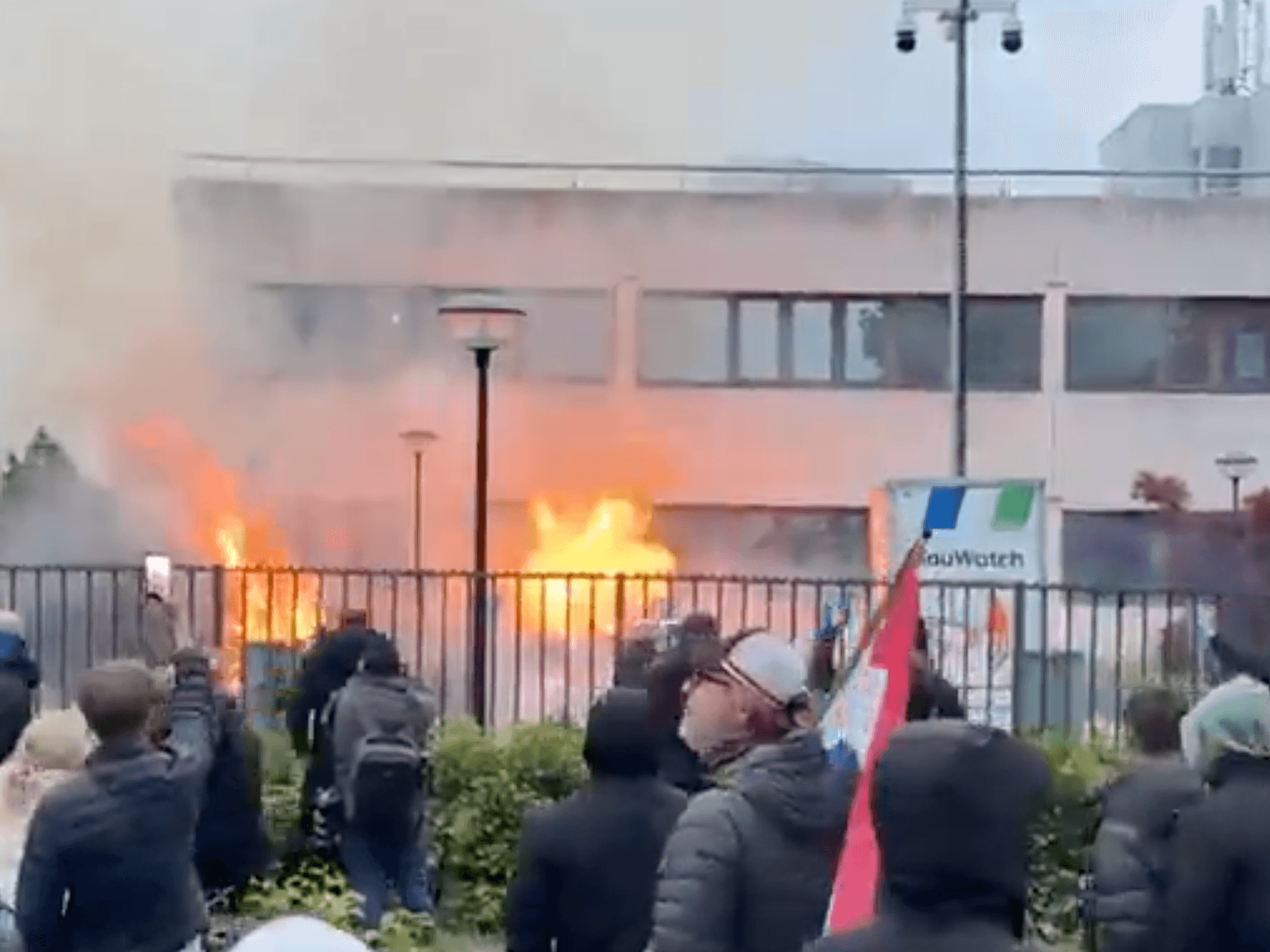
Military experts are warning Sweden's largest island could "change the balance of power", should Moscow ever seize control of it.
Gotland, renowned for its medieval architecture and scenic coastlines, sits at the heart of one of Europe's most strategically vital waterways, the Baltic Sea.
Ben Hodges, a former US Army officer and senior Nato logistics official, issued a stark assessment of what Russian occupation would mean.
"If Russia were to take the island, it would significantly change the balance of power in the Baltic Sea," he warned.
TRENDING
Stories
Videos
Your Say
The island lies approximately 300 kilometres from Kaliningrad, Russia's heavily militarised exclave on the Baltic coast.
According to military experts, the island's geographic position grants extraordinary influence over maritime traffic throughout the region.
Niklas Granholm, a leading analyst at Sweden's Defence Research Agency, explained the territory's enduring importance.
"If we look all the way back to the Cold War, Gotland was an essential part in controlling the Baltic Sea region," he told The Sun.
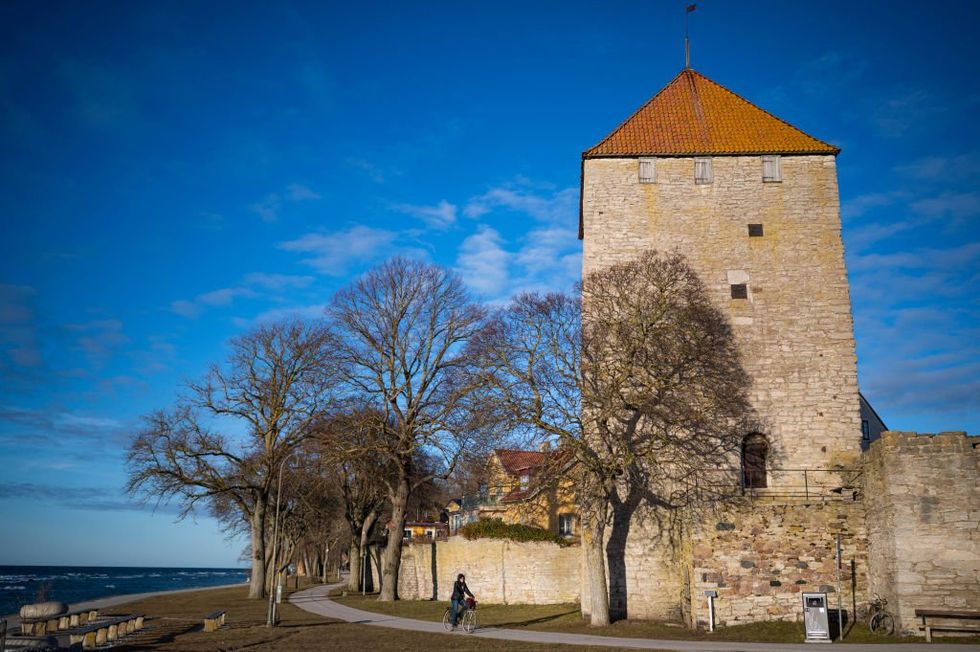
A woman rides her bike outside Visby City Wall,
|GETTY
He continued: "If you can control Gotland and place surface-to-air missiles, surface-to-surface missiles, and anti-ship missiles, you will have control over the entire northern Baltic Sea region, due to the range and precision of these systems."
Oscar Jonsson, a fellow at the Nato Defense College, has described the island as an "unsinkable aircraft carrier" capable of projecting power across the entire area.
Former British Intelligence officer Philip Ingram noted that whoever holds Gotland effectively commands all shipping entering and transiting the Baltic.
Stockholm stripped the island of its military presence in 2005 following the conclusion of the Cold War era.
LATEST DEVELOPMENTS
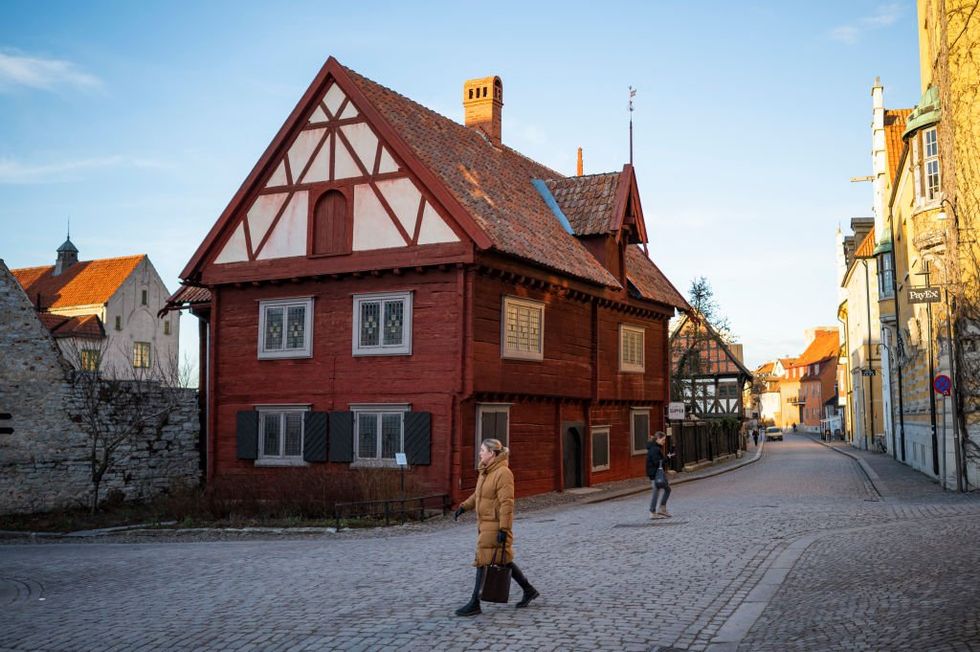
The town is renowned for its medieval architecture and scenic coastlines
|GETTY
However, this decision was reversed a decade later when Swedish authorities moved to rearm the territory in 2015, a direct response to Putin's illegal seizure of Crimea the previous year.
The Gotland Regiment was re-established as part of this defensive pivot.
Sweden's historically neutral stance shifted dramatically when the nation formally joined Nato in 2024, prompted by Russia's full-scale invasion of Ukraine two years earlier.
The Swedish Armed Forces have now set an ambitious target of deploying at least 4,000 soldiers to the island by 2027.
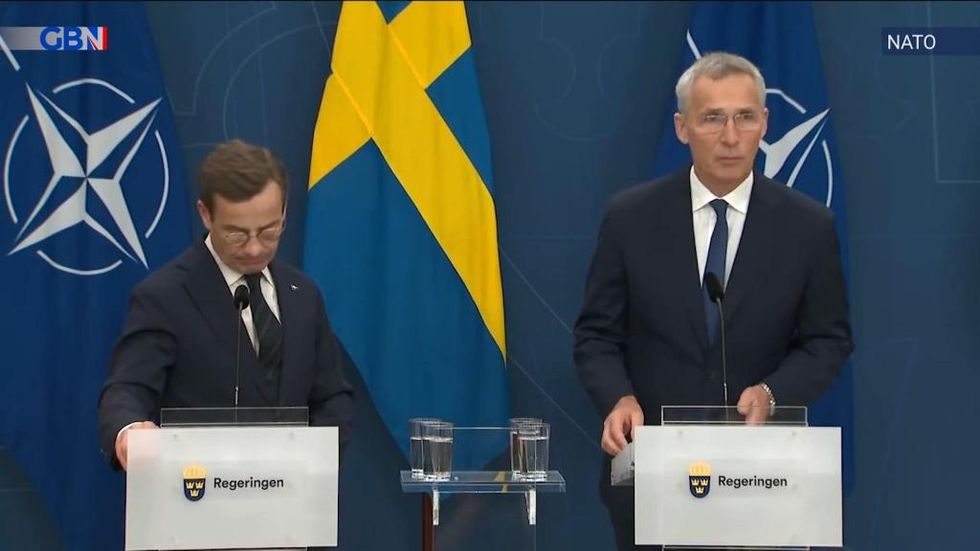
Jens Stoltenberg claims Sweden will 'make Nato stronger'
|GB NEWS
Stockholm has committed approximately £130million to bolstering Gotland's defences as part of a broader military investment package.
The island is now witnessing a rapid military transformation, with advanced missile systems, new barracks, and surveillance facilities being constructed across the territory.
This fortification effort serves a dual strategic purpose for Swedish authorities.
The primary objective is deterring any Russian attempt to capture Gotland and use it as a staging ground for attacks on Europe while severing naval supply routes.
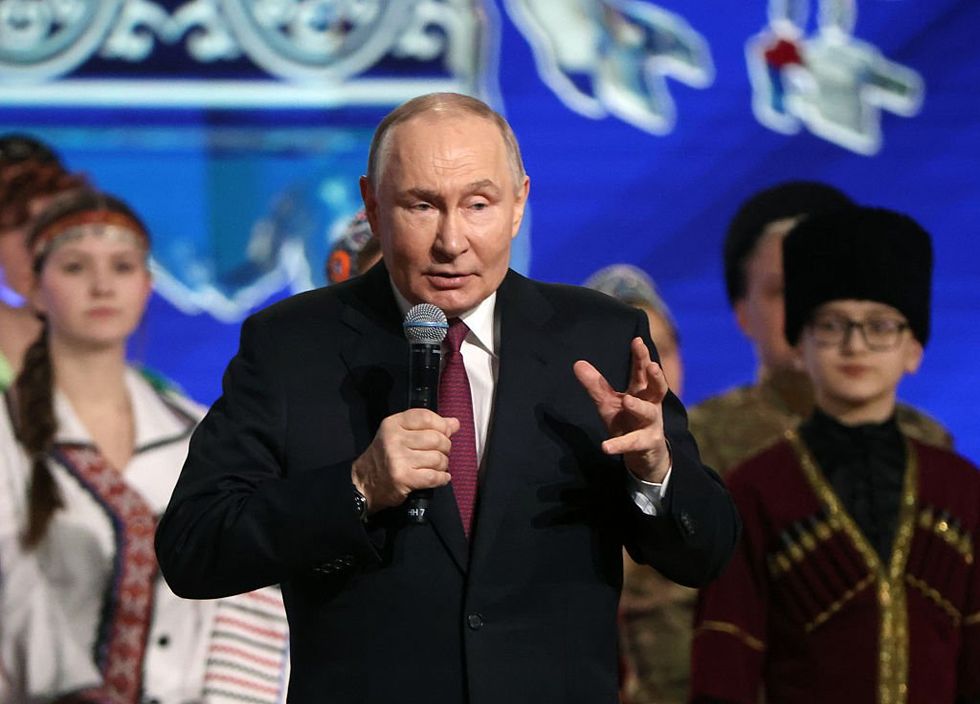
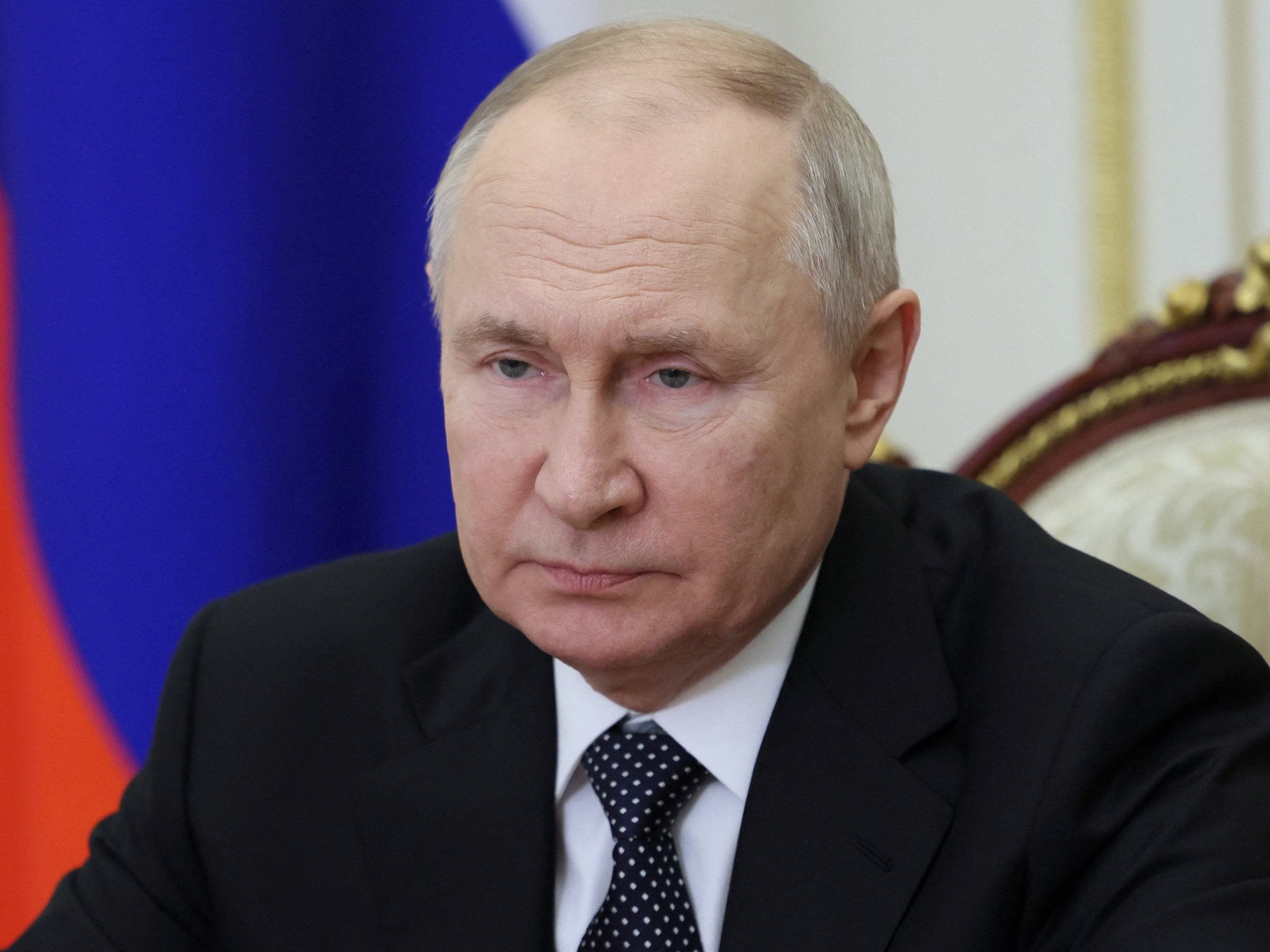
The island could become crucial to the future of Europe should Vladimir Putin target it, according to experts
|GETTY
Equally important is the island's role in monitoring Moscow's ongoing sabotage campaign in Baltic waters, part of what analysts describe as grey-zone warfare.
Former British Intelligence officer Philip Ingram noted that the territory is "becoming a military offshoot or outpost for Sweden in that particularly contested area in the Baltic Sea."
German Leopard tanks, Swedish-manufactured CV90 infantry fighting vehicles, and various air defence systems have all been deployed to the island in recent years.
More From GB News