

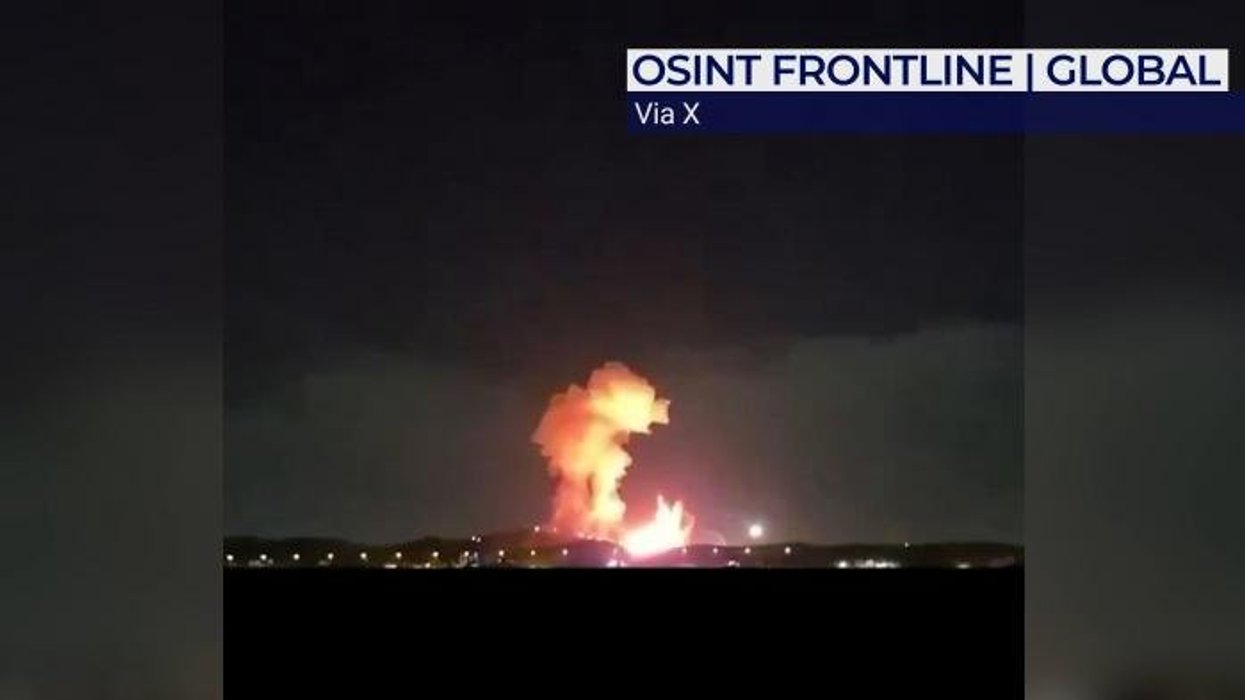









We are now over one month into the US/Israeli/Iran war in the Middle East, and there is no end in sight. The conflict is now one of missile and drone interchange between opposing factions, with widespread damage to Iran, Israel, and the Gulf States.
Despite being hammered from all sides, Iran is not defeated and continues to retaliate across the region, albeit in a manner much reduced from the early days of the war.
Its command and military infrastructure have been seriously degraded. Iran’s ace card has proved to be the de facto closure of the Strait of Hormuz, which has led to severe disruption of commercial shipping and impacted the world economy.
Reopening the Strait has become a central aim of US strategy, but its European allies are reluctant to get involved. The Houthis in Yemen have entered the fray, lobbing missiles and drones at Israel and elsewhere in the region.
They have yet to threaten shipping in the Red Sea as they have done in the past, but should they do so, it will add another complication and escalation in the war.
It has become clear that, notwithstanding US/Israeli air dominance and ability to almost strike at will across Iran, securing the Strait of Hormuz will probably require the commitment of ground troops.
The US has moved thousands of Marines and Army troops into the theatre, and by all accounts, the Pentagon has been planning how they might be deployed. They can only do so, however, if and when Trump gives the command.
How ground troops might be used remains a matter for conjecture. Despite their large numbers, there are insufficient present to control the Strait by occupying the northern (Iranian) shore of the waterway – that would take tens of thousands more.
They are more likely to be used in a raiding capacity against smaller identified targets like IRGC missile and naval bases. In addition, they might be used to protect civilian shipping as it moves through the area.
One much-discussed possibility is that they might occupy the Iranian oil and gas node that is Kharg Island, thereby placing an economic stranglehold on Tehran’s main source of export revenues.
This would give the US powerful leverage against the Iranian regime and an important bargaining chip in any peace or ceasefire negotiations.
 A new enemy just violently entered the war as Iran's ace card blocks Donald Trump's off-ramp |
 Amir Cohen/Reuters
Trump has also suggested that he might use ground troops to seize Iran’s enriched uranium, which is stored underground at Isfahan.
This is a much more difficult and risky operation and would involve US soldiers being on the ground inside Iran for several days. Iran has stated that it is ‘waiting’ for the US ground invasion and vows to set US troops ‘on fire’.
This is defiant language, but whether it can actually back up its fierce words with action must remain doubtful. Whatever transpires, it seems obvious that the war is not going exactly as Trump expected it to go.
As 19th-century Prussian field marshal and strategist Helmuth von Moltke the Elder may have said, "no plan survives first contact with the enemy". This famous military adage still applies, even in the 21st century.
As the war drags on, Trump needs to identify an exit strategy, an off-ramp if you like. With the mid-term elections looming in just over six months, he needs to find it quickly.
Our Standards: The GB News Editorial Charter