







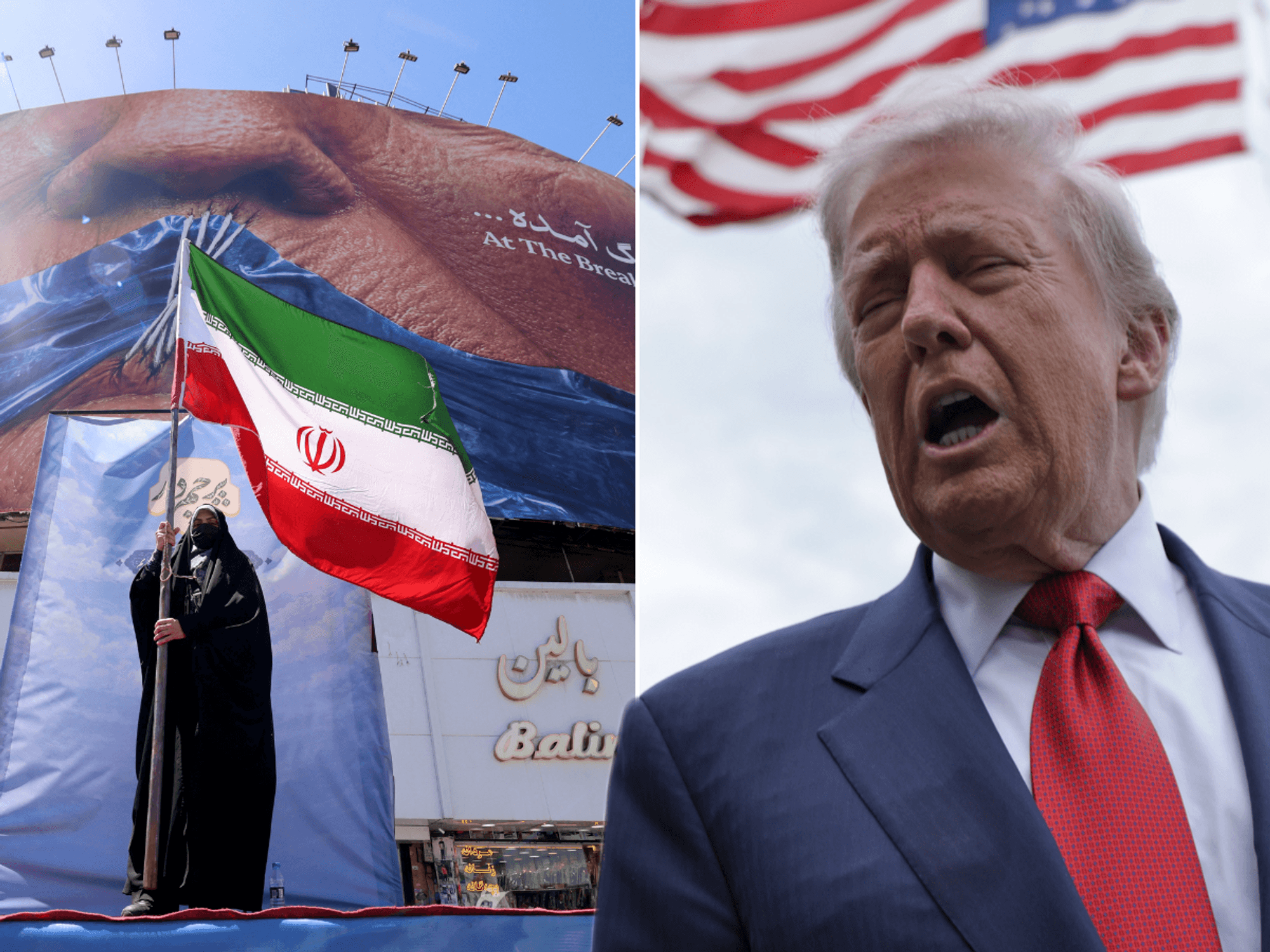
Iran's foreign ministry has confirmed that ships deemed "non-hostile" may pass through the Strait of Hormuz, provided they co-ordinate with Iranian authorities.
The UN Security Council and the International Maritime Organization were informed via diplomatic note on Sunday and distributed it to the 176 member states of the London-based shipping regulator yesterday.
The communication comes as the ongoing US-Israeli military conflict with Iran has effectively brought to a standstill approximately one-fifth of global oil and liquefied natural gas shipments, triggering significant supply disruption.
According to the note, vessels seeking safe passage must meet specific criteria established by Tehran.
It reads: "Non-hostile vessels, including those belonging to or associated with other States, may - provided that they neither participate in nor support acts of aggression against Iran and fully comply with the declared safety and security regulations - benefit from safe passage through the Strait of Hormuz in coordination with the competent Iranian authorities".
Iran indicated it had implemented what it described as "necessary and proportionate measures" to stop aggressors from using the strait for hostile operations against the country.
The diplomatic communication made clear which vessels would be barred from transiting the waterway.
Ships, equipment and any assets belonging to the United States or Israel, "as well as other participants in the aggression, do not qualify for innocent or non-hostile passage," the note stated.
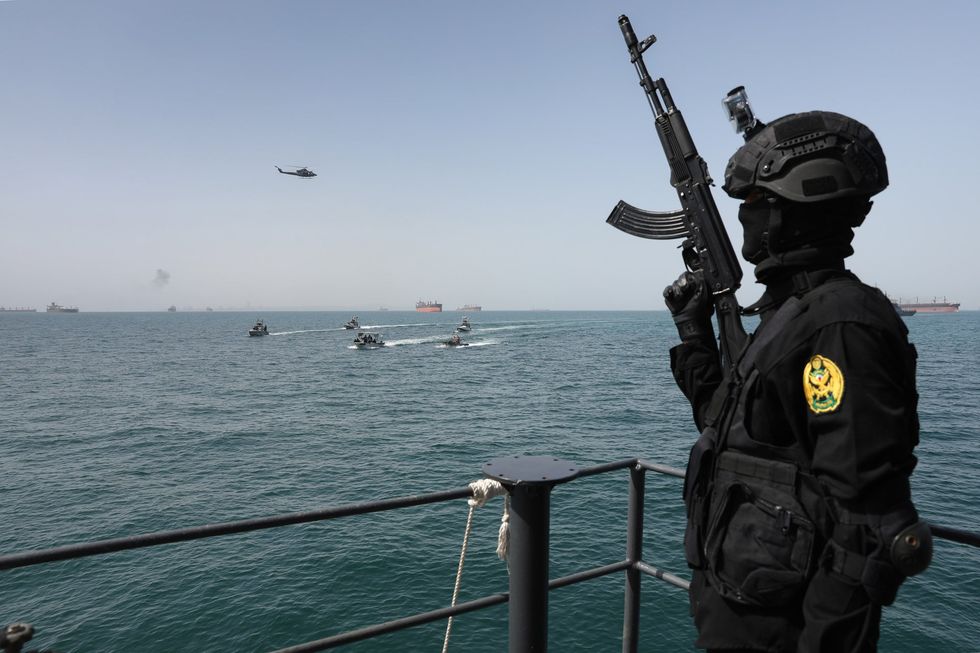 The UK has taken a leading role alongside France and the United States in a multinational coalition to restore safe passage through the Strait of Hormuz | GETTY
This explicit exclusion extends beyond American and Israeli vessels to encompass any parties Tehran considers to be participating in military action against the Islamic Republic.
The Financial Times was first to report that the letter had been circulated among IMO member states on Tuesday, while earlier that day, the boss of Shell warned that Europe risks fuel shortages as soon as next month as a result of obstructed shipping.
Despite Donald Trump preparing to send paratroopers for a possible ground invasion of Kharg Island, the US President insisted that peace talks with Tehran were taking place in a bid to secure stability in the region.
The US has sent Iran a 15-point plan to end the war, which includes strict limits on its nuclear programme and the reopening of the Strait of Hormuz.
IRAN LATEST
Pakistan served as the intermediary for delivering Washington's plan, which is though to also tackle Tehran's ballistic missile capabilities.
The complete contents of the 15-point framework have not been made public, with American officials stating that sensitive diplomatic matters will not be conducted in the open.
President Trump declared on Tuesday that Iran has committed to never acquiring nuclear weapons - "They've agreed to that," he told reporters.
"We're in negotiations right now. The other side, I can tell you, they'd like to make a deal. Who wouldn't if you were them?"
Tehran has publicly denied that any negotiations are underway.
The plan could also include strict limitations on the Islamic Republic's missile programme, which Western governments have long considered a significant regional security threat.
Additional elements are thought to include measures to curtail Tehran's backing of armed proxy groups throughout the region, such as Hezbollah and Houthis.