






Our son Freddie dropped by to take me out for coffee and a chat. His son Jimmy has been offered a place at their first-choice primary school.
He and his partner, Laura, had chatted to our daughter, Clem, a professional educator. Our sons, all of whom have children, are blessed to have their sister as a guide on education matters.
Fred wondered what Jim would get out of school, given his practical and outdoor life at the livery yard. He rides, works hard, keeps various animals and can drive a quad bike.
He also has a big network of friends in and out of the horse world. We agreed that reading, writing and sport are all important too.
Fred has had a number of run-ins with the council and has a pretty low opinion of it. He also suspects planning is not always as straightforward or transparent as it should be.
So I asked him who he would be voting for on May 7. He said he would not be voting because “they’re all as bad as each other” and it makes no difference who is in charge. We differed on that, but he stuck to his guns.
Both have proven catastrophic for Keir Starmer and will continue to shake his leadership for some time.
First, Angela Rayner, Starmer’s Deputy Prime Minister and the elected Deputy Leader of the Labour Party, was exposed in the Press for failing to pay the correct amount of stamp duty on the flat she bought in Hove.
In response, she referred herself to the PM’s independent ethics arbiter, the guardian of the Ministerial Code. He found she had cooperated with candour but had breached the Code by not seeking proper expert tax advice.
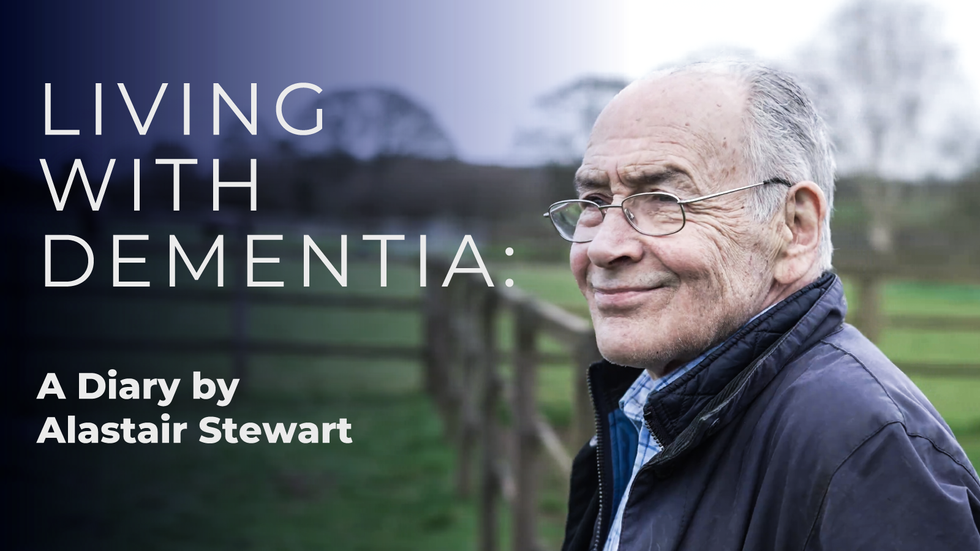
Alastair Stewart: These were my first signs of dementia
| GB NEWSThese elections are fascinating as a major test of popularity for all the parties, large and small. Many are also treating them as a sort of referendum on Sir Keir Starmer’s premiership.
Wales and Scotland are crucial. Wales was, for decades, a hub of the steel and coal industries, whose workforces historically gravitated towards Labour.
With the decline of both industries, many people now work in services, retail and finance — fertile ground for Reform and the Greens — while Plaid Cymru remains very much alive and kicking too.
In Scotland, Labour faces different challenges, including tensions between the Scottish leadership and the UK party leadership. The Prime Minister has seemed oddly absent from parts of the campaign.
On the health front, I have had more tests as doctors try to work out the cause of my anaemia and how best to treat it. Two old friends got in touch recently. Ruari McAllion, from my student politics days, regularly takes me out for tea since my diagnosis. A lovely man with whom I can share many memories.
Also, Geoff Dennis from the charity world, a man I got to know and admire when he ran Care UK. It also had an affiliate, Lendwithcare, a clever microfinance charity which I both supported and invested in. It helped everyone from farmers to people setting up small businesses in developing countries.
I made two foreign trips with Geoff to help make fundraising videos.I will never forget our trip to Srebrenica, the scene of the 1995 massacre of Muslims.
Many of the widows there were clients of the charity. I had lent money to one woman to help her buy chickens, enabling her to sustain herself and make a little money selling surplus eggs. It was such an honour to meet her and chat. It really felt as though we were helping.
We also saw the little white crosses on the hillside marking where some had died, and the factory where many were massacred, now a museum, not least thanks to the efforts of Paddy Ashdown, the former High Representative for Bosnia and Herzegovina. We visited the cemetery too, on the scale of Commonwealth war graves.
It was deeply moving and terrifyingly recent.
We also went to Chad, where we helped many farmers, including one woman who wanted a fridge so she could sell cold drinks to fellow villagers, and a motorbike so she could work as a taxi driver and deliver goods.
Those were remarkable days, with dramatic evidence of the rich and varied good charities do at home and abroad. Geoff later went on to run both a donkey charity and another helping vulnerable young children.
He is simply one of life’s good people. He invited me to lunch in London. I gratefully explained that I tend to avoid London since my diagnosis.