




Iranian authorities have imposed a nationwide internet blackout as the country witnessed its most significant anti-government demonstrations in nearly a fortnight of civil unrest.
The shutdown began in Tehran before spreading throughout the entire country, according to internet monitoring organisation NetBlocks.
"Live metrics show Iran is now in the midst of a nationwide internet blackout.
"The incident follows a series of escalating digital censorship measures targeting protests across the country and hinders the public's right to communicate at a critical moment," the watchdog said.
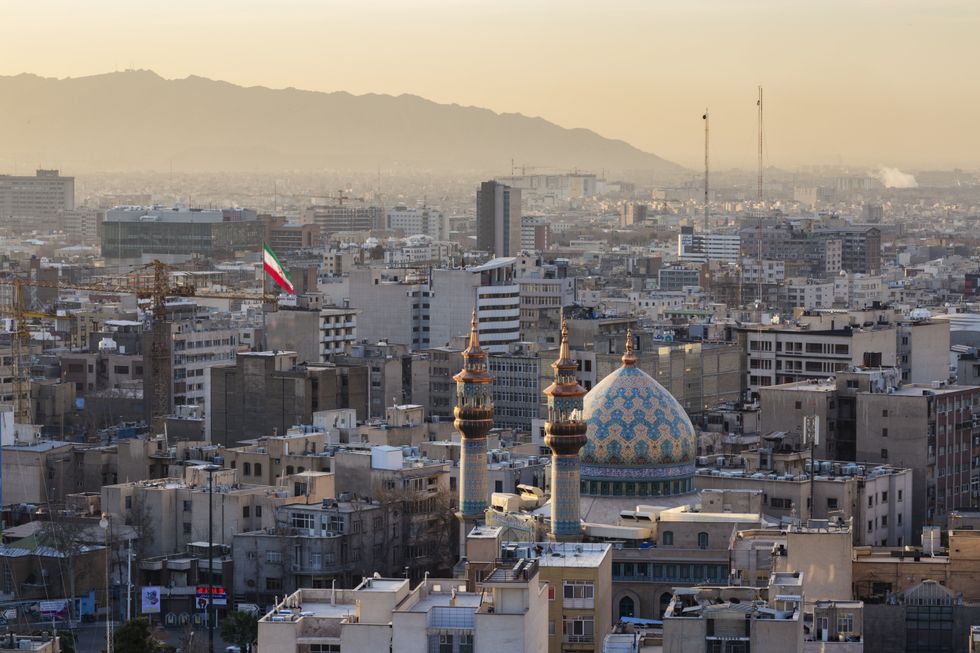
Internet access was first shut down in Tehran before spreading across the country, NetBlocks said
|GETTY
The communications blackout has sparked concerns that security forces may exploit the darkness to deploy deadly force against demonstrators.
A similar government tactic in 2019 preceded the killing of approximately 1,500 people during protests.
Thousands of demonstrators flooded the streets on Thursday night in major urban centres including Tehran, Isfahan, Tabriz, Gorgon and the sacred city of Mashhad.
In the capital's north western district, vast crowds assembled along Ayatollah Kashani Boulevard while motorists sounded their horns in solidarity.
Images of buildings set ablaze circulated widely.
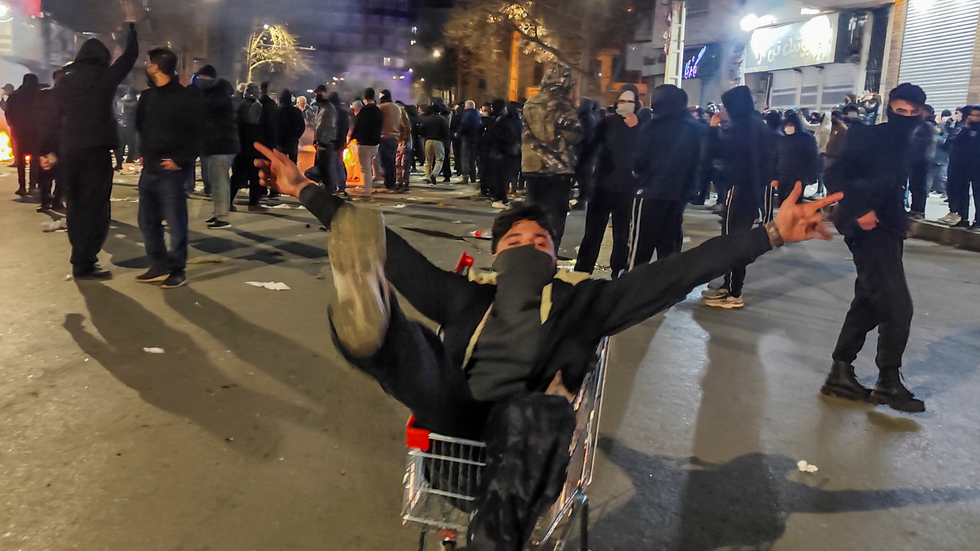
Thousands of demonstrators flooded the streets on Thursday night in major urban centres
|GETTY
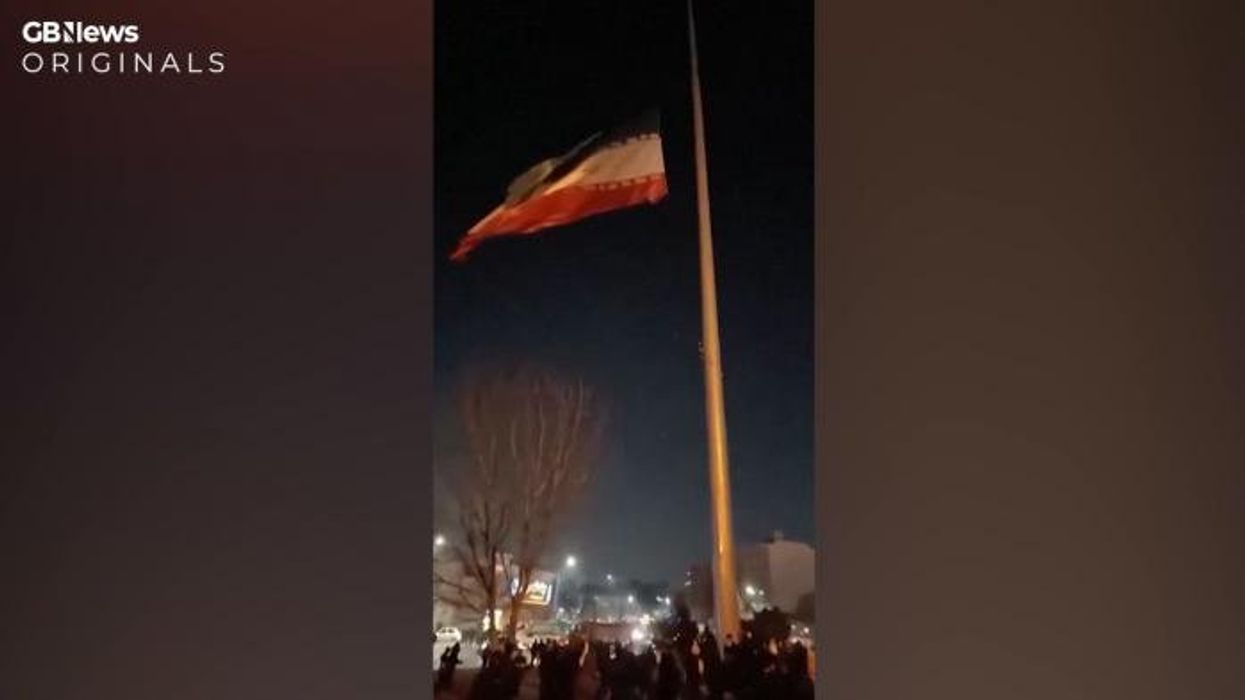
Video footage captured protesters shouting "death to the dictator" while ripping down Iranian flags and attacking government and state broadcaster buildings.
The unrest has now engulfed 111 cities and numerous towns spanning all 31 of Iran's provinces, representing the most extensive demonstrations since the movement commenced on December 28.
Demonstrators also pulled down a statue of Qassem Soleimani, the former commander of the Revolutionary Guard's Quds Force who was killed by American forces in 2020.
The death toll from the protests has reached at least 45 people, including eight children and four members of the security forces, while authorities have detained approximately 2,200 demonstrators.
ISLAMIC REPUBLIC ON THE BRINK - READ MORE:
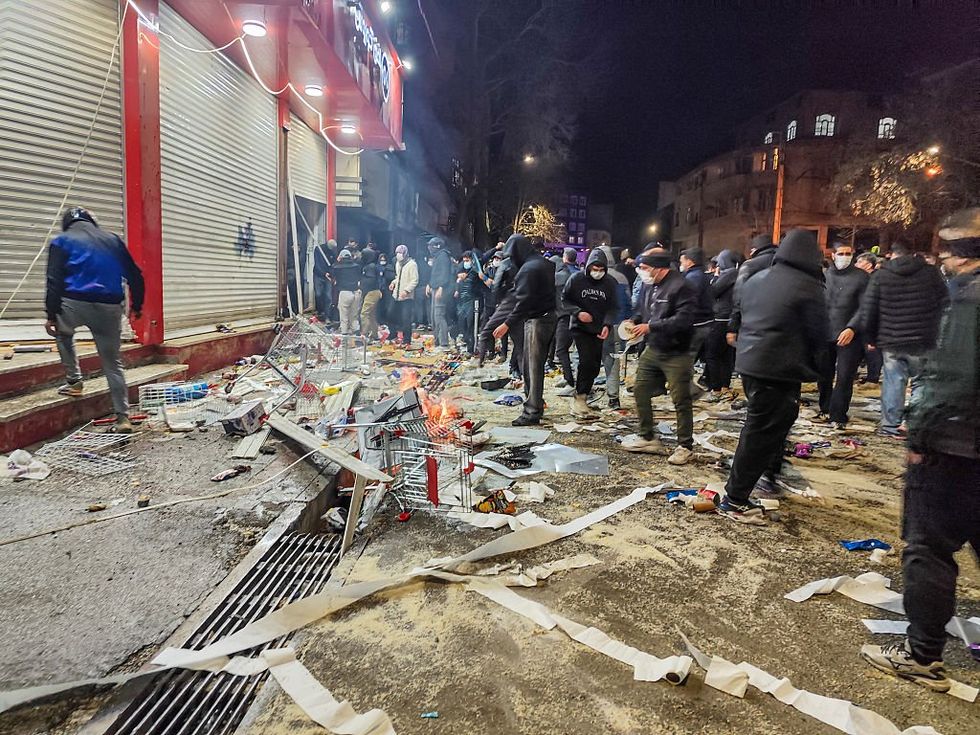
Video footage captured protesters shouting 'death to the dictator' while ripping down Iranian flags
| GETTYHuman rights organisations have reported that security personnel have fired upon civilians, with forces continuing to deploy live ammunition, pellet guns and tear gas against crowds.
The uprising represents the gravest challenge to the Iranian government since 2022, when Mahsa Amini's death in custody following her arrest for allegedly wearing her hijab incorrectly triggered widespread protests.
Iran's economic woes ignited the current wave of unrest after traders at Tehran's Grand Bazaar went on strike when the rial plummeted to historic lows against the dollar.
December saw annual inflation reach 42.2 per cent, with food costs surging by 72 per cent.
Iranian President Masoud Pezeshkian appealed for "utmost restraint" and urged authorities to avoid "any violent or coercive behaviour".
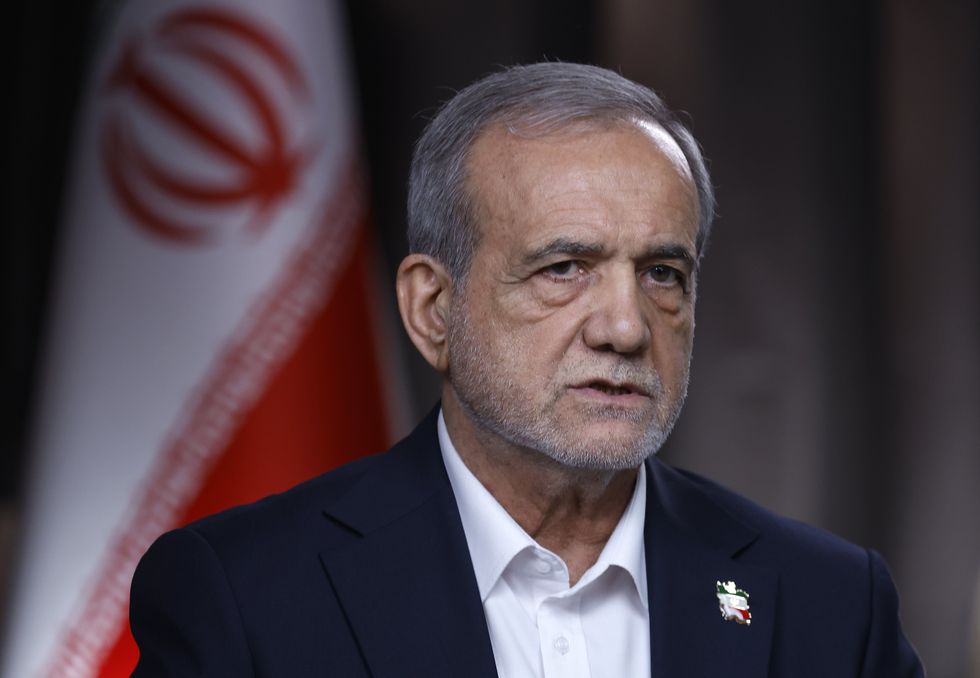
Iranian President Masoud Pezeshkian appealed for 'utmost restraint'
|GETTY
Donald Trump issued a stark warning to Tehran during an interview with the Salem Radio Network on Thursday, declaring that Iran would "pay hell" if any protesters were killed.
The President acknowledged that fatalities had occurred during the demonstrations but attributed these to crowd crushes rather than deliberate targeting by security forces.
Mr Trump also stated that America was "locked and loaded" and prepared to rescue demonstrators should further deaths occur.
Iranian Foreign Minister Abbas Araghchi responded by declaring his country's willingness to engage in armed conflict with Washington if attacked.
"We don't desire a war but we are ready for it," Mr Araghchi said during a visit to Lebanon, while indicating Tehran remained open to dialogue conducted on the basis of "mutual respect and mutual interests".
More From GB News