








Spain has become the first Western country to restore its diplomatic presence in Tehran during the ongoing ceasefire between the United States, Israel, and Iran.
Foreign Minister José Manuel Albares directed Ambassador Antonio Sánchez-Benedito to return to the Iranian capital and recommence embassy operations with immediate effect.
The decision positions Madrid as actively backing peace initiatives throughout the two-week truce.
It follows the removal of the nation's Israeli ambassador last month in opposition to the US-Israeli attacks on Iran.
The ambassador was summoned back to Spain last September amid a diplomatic row over Spanish measures banning aircraft and ships carrying weapons to Israel from its ports or airspace due to Israel's military offensive in Gaza, which Israeli Foreign Minister Gideon Sa'ar denounced as antisemitic.
The embassy in Tel Aviv will be led by a charge d'affaires for the foreseeable future.
In light of the commencement of a diplomatic relationship with Iran, Mr Albares emphasised the importance of utilising all available diplomatic avenues, specifically mentioning Tehran as a crucial channel.
The move has been characterised by some as demonstrating Spain's dedication to dialogue at a pivotal moment in the regional crisis.
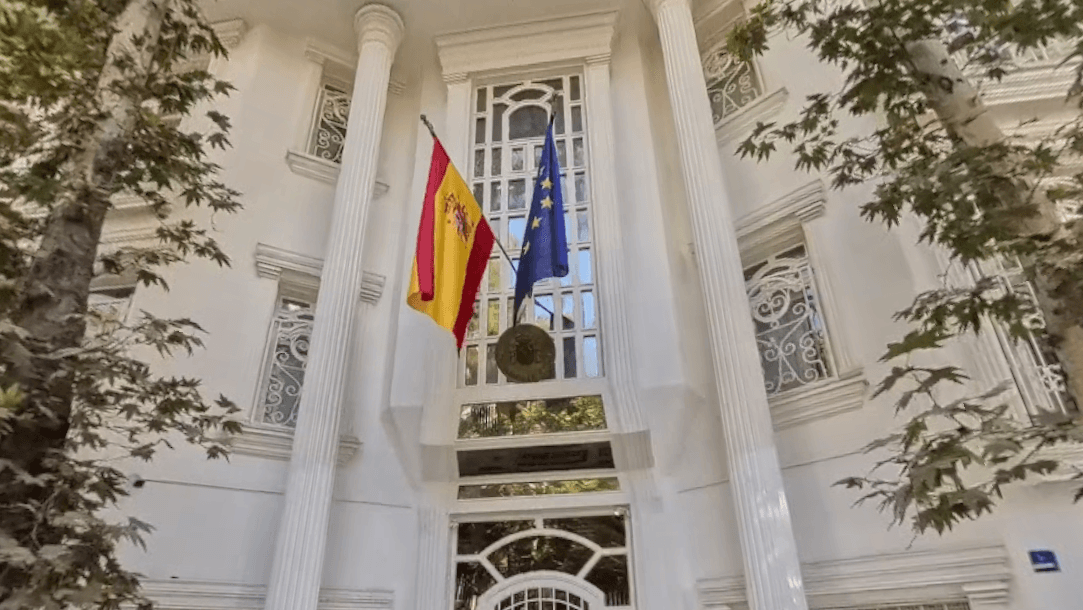
Spain to reopen embassy in Tehran despite turbulent ceasefire conditions
|GOOGLE MAPS
The embassy had been shuttered since March 7 after airstrikes forced staff to evacuate from the Iranian capital.
Personnel departed amid direct threats posed by the bombardment.
Madrid's relationship with Tel Aviv remains tense following Spain's permanent recall of its ambassador from Israel.
Critics have drawn attention to the precarious nature of the current ceasefire and persistent volatility throughout the Middle East, and cautioned the risk of premature diplomacy.
LATEST DEVELOPMENTS:
Despite repeated announcements of truces, missile strikes have continued to escalate across the region.
The fortnight-long pause in direct hostilities between Washington, Jerusalem, and Tehran could potentially unravel rapidly, analysts have warned.
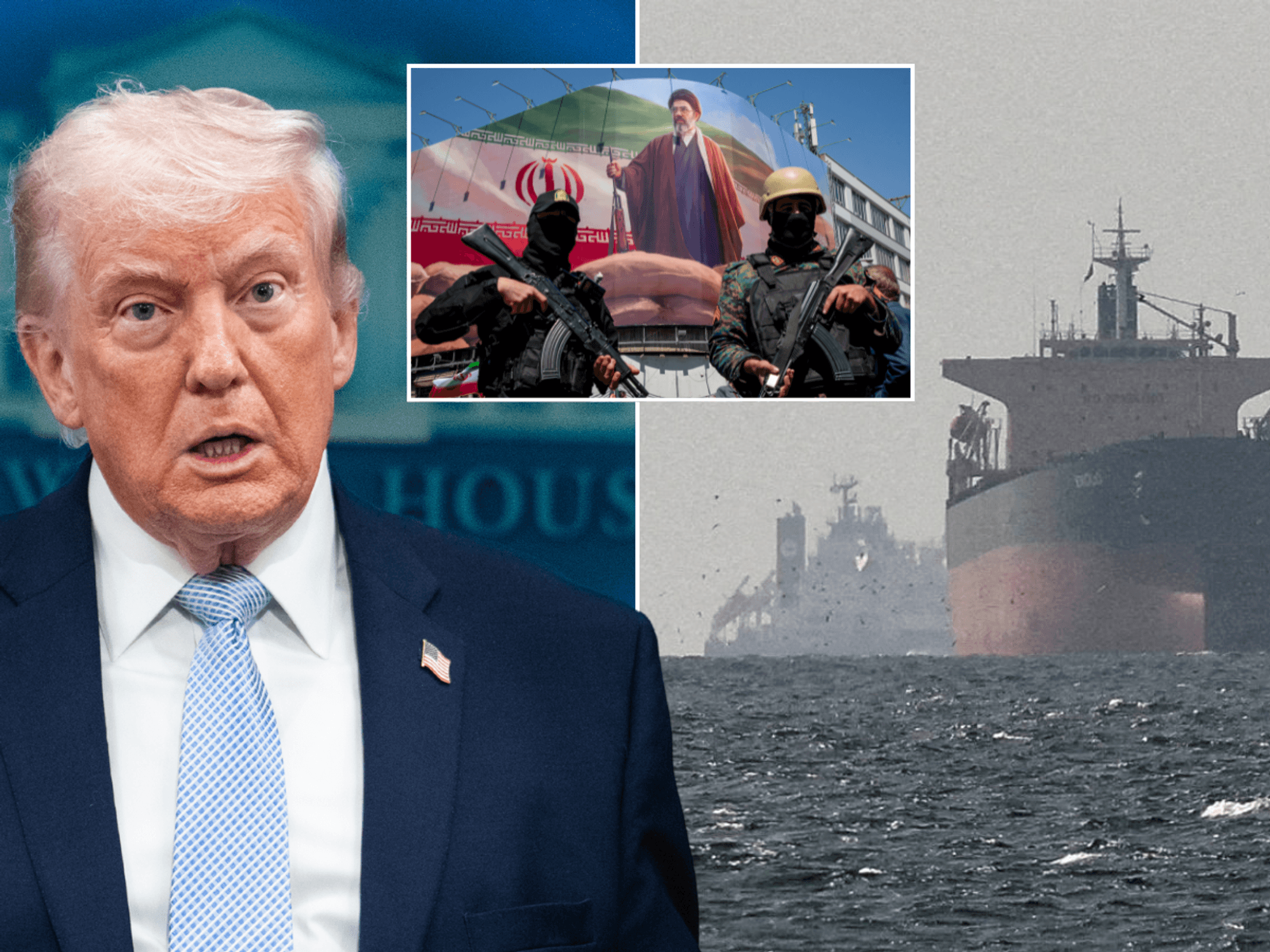
Mere hours after the ceasefire deal was brokered on Tuesday, Iran appeared to close the Strait of Hormuz and launch drone strikes against energy infrastructure in Saudi Arabia and Kuwait.
It came in response to a devastating Israeli aerial assault on Lebanon that killed at least 112 people and wounded approximately 700 others, according to Lebanese health authorities.
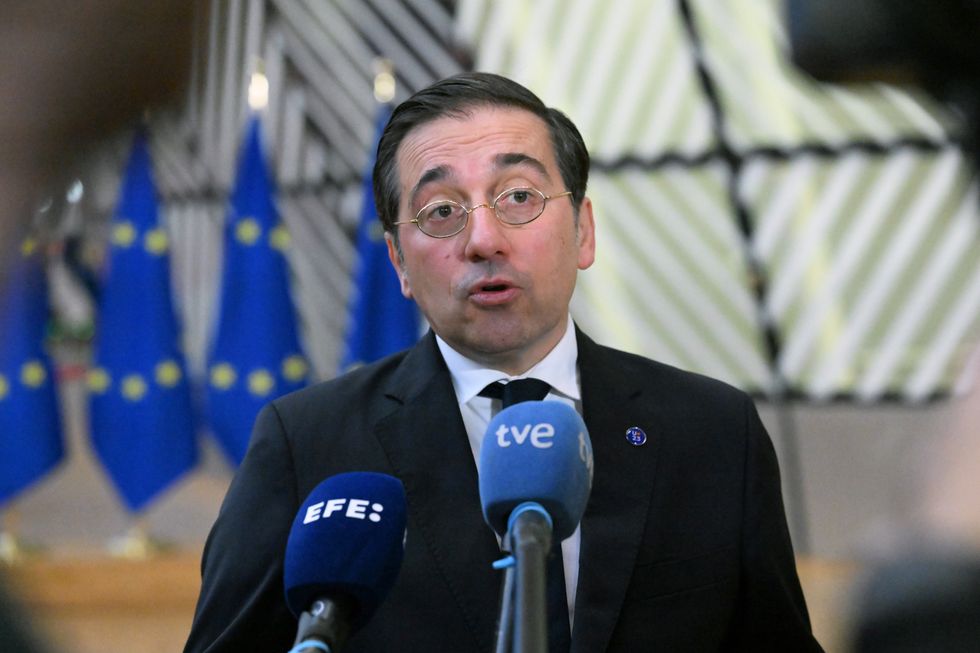
Spanish Foreign Minister José Manuel Albares ordered the reopening with immediate effect
| GETTYWithin hours of the agreement taking effect, Iranian drones targeted Saudi Arabia's critical east-west pipeline, which serves as Riyadh's sole remaining export route via the Red Sea while the Hormuz passage remains closed.
The dispute centres on whether Lebanon falls within the scope of the agreement reached between Washington and Tehran.
Iran had previously cautioned that it would withdraw from the ceasefire should Israeli attacks on Lebanese territory continue.
Israeli officials have sharply condemned Spain's decision to reopen the embassy during the turbulent period.
Gideon Saar, Foreign Affairs Minister for Israel, described the reopening as "shameless alignment with Tehran", accusing Madrid of failing to maintain appropriate distance.
Questions have emerged regarding protections for diplomatic staff returning to a high-risk posting, with no information released concerning special hazard pay or enhanced compensation packages for personnel resuming duties in Tehran.
Standard protocols typically include security provisions and evacuation contingencies, yet recent emergency withdrawals during active conflict have raised doubts about adequate safeguards should fighting resume.
Spain's independent foreign policy stance has attracted both praise for promoting peace, and sharp criticism for what opponents view as naivety amid ongoing proxy tensions.