







Iran is planning on permanently breaking from the global internet, allowing only a select few vetted individuals to have access online, according to Iranian digital rights activists.
The Islamic Republic's proposals come as it blamed Donald Trump for the death of pro-democracy protesters, which has seen over 2,400 people killed, according to rights groups.
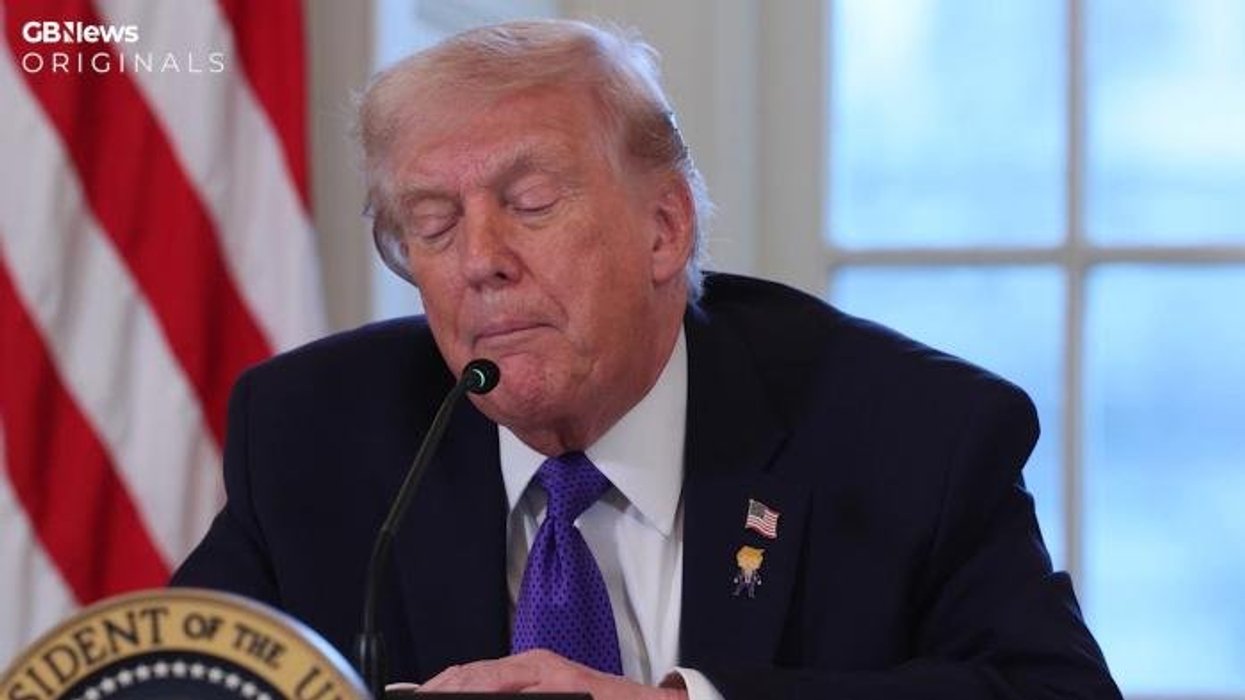
Iran's supreme leader, Ali Khamenei, described the US President as a "criminal" for inflicting casualties, damage and slander on the Iranian people during the protests.
Iranian media quoted him saying: "The latest anti-Iran sedition was different in that the U.S. President personally became involved... We will not drag the country into war, but we will not let domestic or international criminals go unpunished."
TRENDING
Stories
Videos
Your Say
According to a report from Filterwatch, a group monitoring Iran's internet situation: "A confidential plan is underway to turn international internet access into a 'governmental privilege'.
"State media and Government spokespersons have already signalled that this is a permanent shift, warning that unrestricted access will not return after 2026."
Leader of Filterwatch, Amir Rashidi, said under the current plans, Iranians who have passed security clearance or Government checks would have access to a filtered version of the global internet.
All other nationals will only be able to access a domestic internet, being cut off from the wider world.
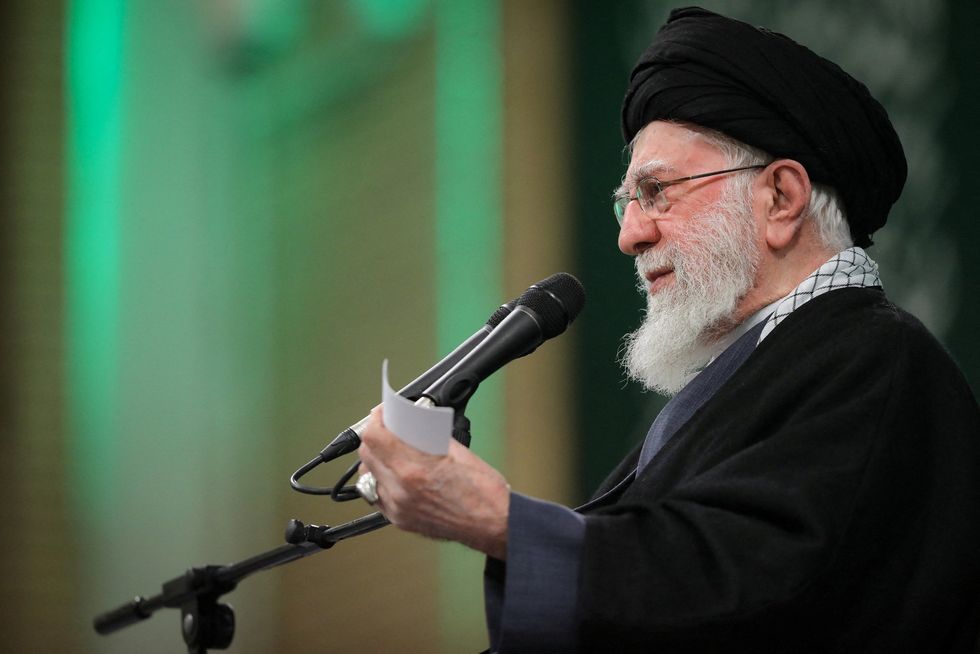
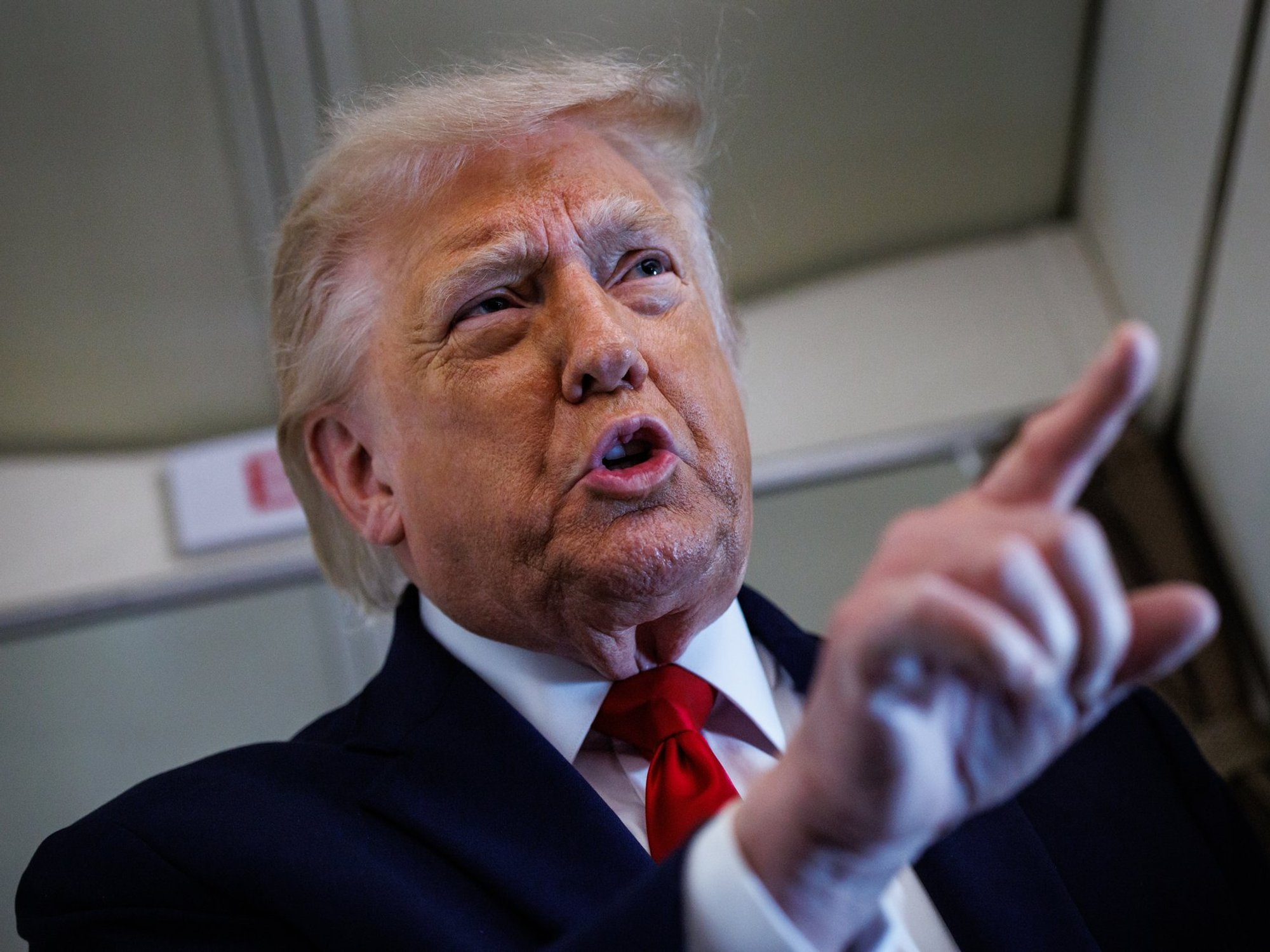
Iran's supreme leader, Ali Khamenei, described Trump as a 'criminal'
|REUTERS
LATEST DEVELOPMENTS
Iran's ongoing internet outage started on January 8 after nearly two weeks of escalating anti-regime protests.
A small amount of information has come out of the country since the blackout, with a Government spokesman telling Iranian media the internet shutdown will last until at least Nowruz, the Persian New Year, on March 20.
Mr Rashidi said: "It looks like (authorities) are happy with the current level of internet connectivity, and they believe this kind of shutdown helped them to control the situation."
A former US State Department official who specialised in internet censorship described Iran's control over the internet as "plausible and terrifying".
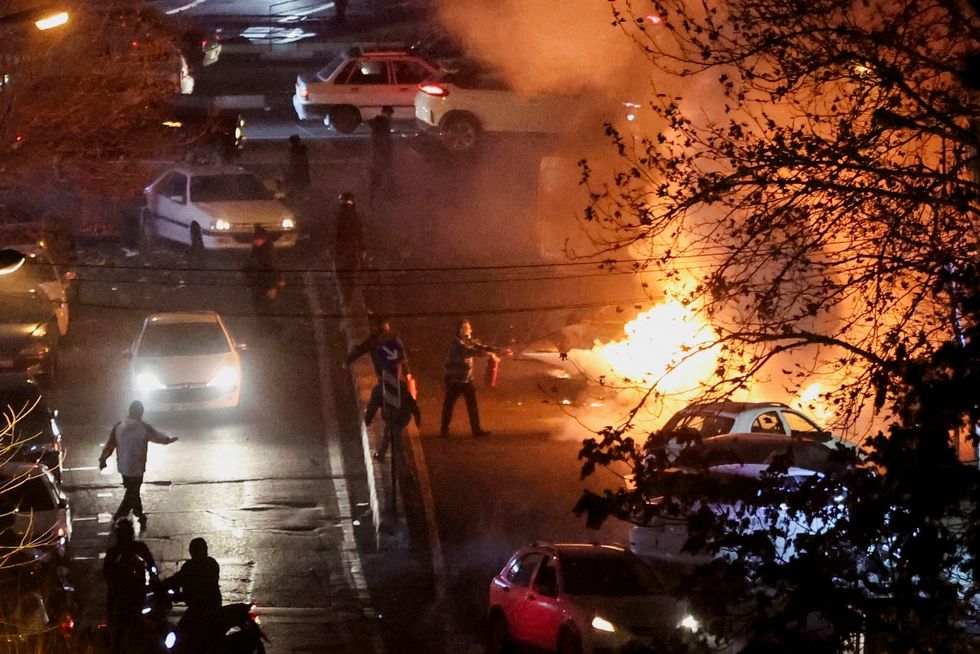
A small amount of information has come out of the country since the blackout
|REUTERS
They said: "It's not out of the question that they're going to do it, but seeing these situations unfold, the economic impact and the cultural impact will be really massive. And they may overplay their hand."
Iran's ongoing shutdown is a 16-year effort in the making, as it tries to get a foothold on the public's internet access, allowing only a select few to use it unrestricted, a move known as whitelisting.
The practice is made possible by high-capacity middleboxes, which are devices that attach to network cables and monitor or manipulate internet traffic.
The systems are available now, which have the power to spy on individual users, block websites and some VPN tools.
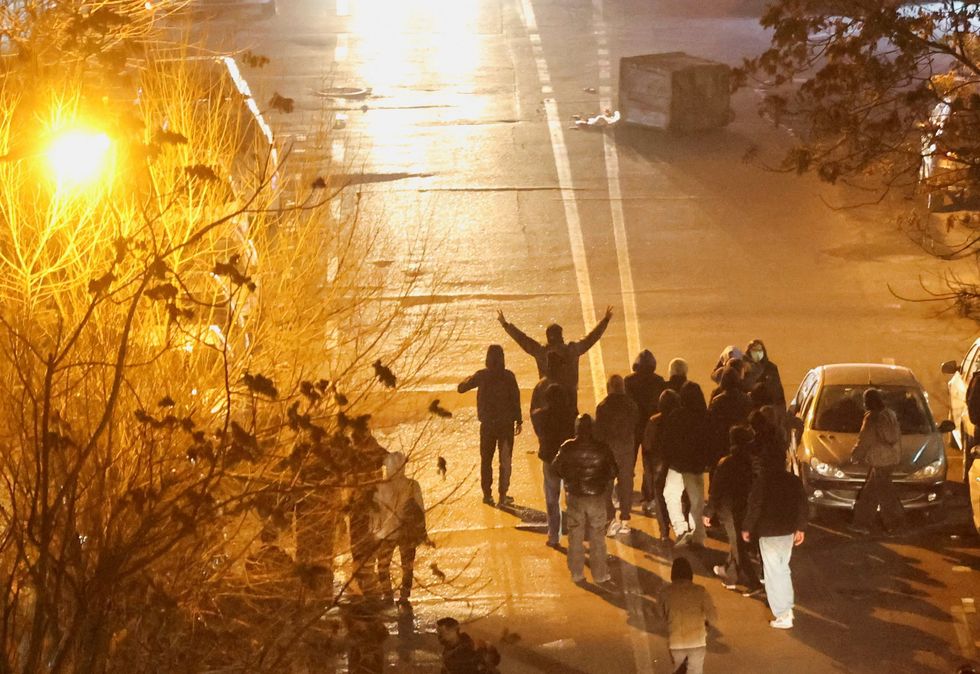
Iran's ongoing shutdown is a 16-year effort in the making
|REUTERS
"Basically, there's this censorship equipment that is sitting on every network, and the Government can prevent connections going in both directions," they said.
Iran has been moving towards a national internet since 2009, following authorities briefly shutting it down during large-scale protests after the re-election of Mahmoud Ahmadinejad.
Researchers at Outline Foundation and Project Ainita said: "They literally just pulled the plug without thinking. They had never done it before.
"And it basically threw the entire internet, and it really damaged a lot of things on their end as well."
The former US State Department official stated Iran's recent disclosures about its ability to control the internet are significant and surpass those of several other authoritarian regimes that might seek to implement similar measures.
But it remains to be seen if Iran can create a new, permanent online world.
"The digital rights community is right to raise the alarm. But the impacts of this will be really severe for Iranian authorities, who will bear responsibility for that harm to their economy," the official said.
Our Standards: The GB News Editorial Charter
More From GB News