






Iran has been suspected of being behind a drone strike on a nuclear power plant in the United Arab Emirates (UAE) which sparked a massive blaze.
Three drones entered the UAE's airspace and struck an electrical generator outside the inner perimeter of the Barakah Nuclear Energy Plant in the Al Dhafra region, the Gulf state's Ministry of Defence said.
The ministry confirmed that "investigations are underway", adding that "further details will be announced upon completion".
It added the ministry "remains fully prepared and ready to address any threats and will firmly confront any attempts to undermine the country's security, in a manner that safeguards its sovereignty, security and stability, and protects its national interests and gains".
The UAE's senior diplomatic adviser Anwar Gargash said the "terrorist targeting of the Barakah clean nuclear power plant" was a "dangerous escalation" which violated international law.
He said: "This prohibited escalation serves to reaffirm the nature of the challenges facing the region in confronting the forces of evil, chaos, and sabotage.
"No one will twist the UAE's arm, nor will they succeed in undermining its vision, its success, and its inspiring message to the peoples of the region in security, stability, development, and prosperity."
Concerns were raised the strike could result in the spread of nuclear radiation, but UAE's Federal Authority for Nuclear Regulation said no radioactive material had been released in the strike, and no injuries have been reported.
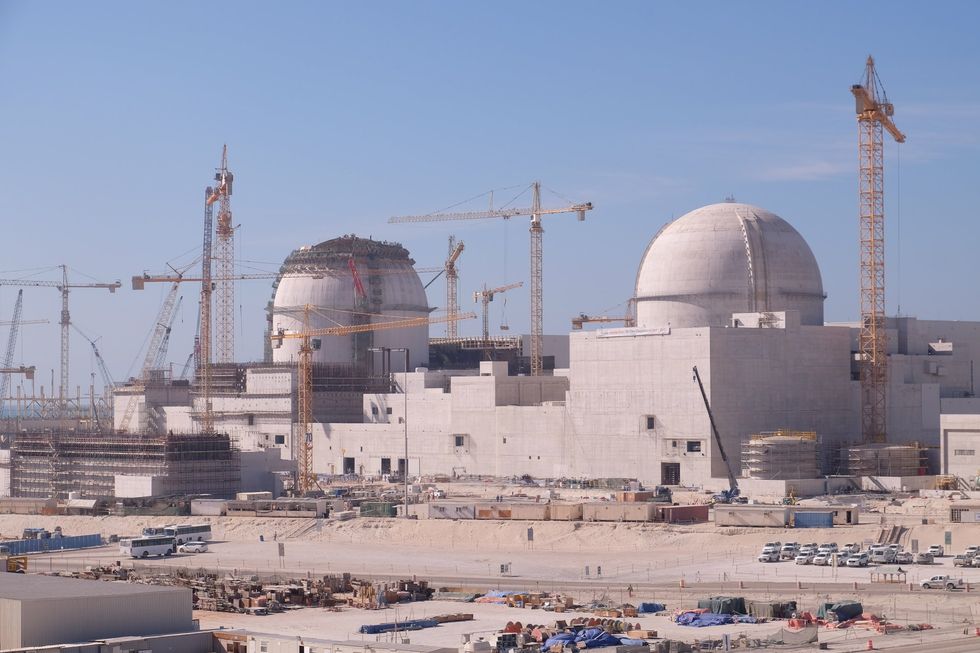
The Barakah Nuclear Energy Plant (pictured here under construction) was struck by a drone
|IAEA IMAGE BANK
And the International Atomic Energy Agency said emergency diesel generators were providing power to the plant's "unit 3" and said it was closely monitoring the situation.
Director-General Rafael Mariano Gross said he had "grave concern" over the incident.
The UAE's Foreign Minister held talks with regional counterparts, including with Saudi Arabia, after the attack.
Saudi Arabia said it condemned the strike, and the Indian government said it was "deeply concerned".
LATEST IN IRAN:
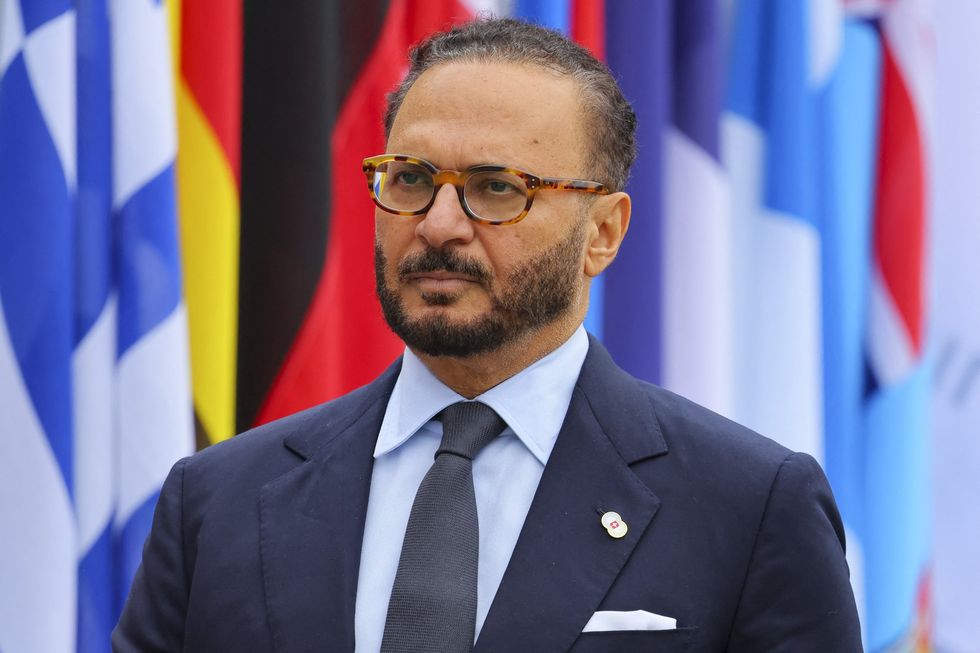
Diplomatic adviser Anwar Gargash said the strike on the nuclear plant was a 'dangerous escalation' and violated international laws and norms
|GETTY
The strike has occurred in the middle of a tenuous ceasefire and a diplomatic deadlock between the US and Iran.
Donald Trump will meet with top national security advisers to discuss military action towards Iran after he threatened the country on social media.
"For Iran, the clock is ticking, and they better get moving, FAST, or there won't be anything left of them. TIME IS OF THE ESSENCE!" Mr Trump said.
A senior spokesman for the Iranian armed forces, Abolfazl Shekarchi, said the US would "face new, aggressive, and surprise scenarios, and sink into a self-made quagmire", if the President followed through with his threats towards the regime.
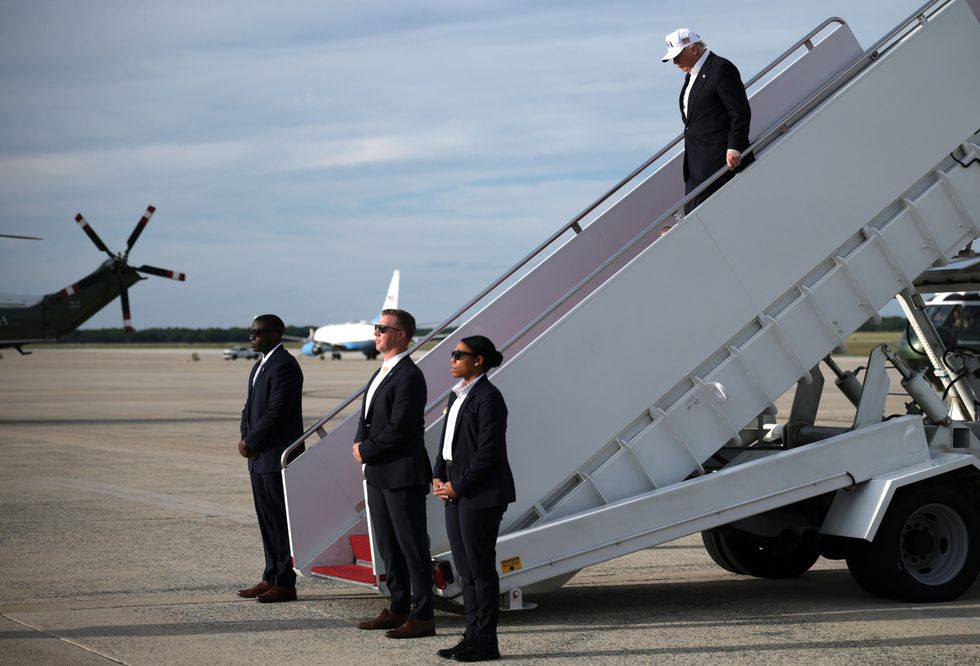
Mr Trump said 'the clock is ticking' for Iran after he returned from his visit to China
|GETTY
Oil prices rose after the strike on the Barakah Nuclear Energy Plant, with Brent crude oil rising by 1.24 per cent to $110.62 a barrel, and US West Texas Intermediate rising by 1.75 per cent to $107.26 a barrel.
Prices have also risen as a result of the closure of the Strait of Hormuz, which carried on fifth of global oil before the war broke out.
Mr Trump said he was considering lifting US sanctions on Chinese companies purchasing Iranian oil as he returned from his two day visit to China.
The President also said Chinese President Xi Jinping had agreed Iran must re-open the strait, but China gave no indication it would place further pressure on Tehran.
Three drones were also downed by Saudi Arabia on Sunday, after it entered from Iraqi airspace.
The $20billion Barakah Nuclear Energy Plant began to supply power to the UAE in 2020 with the help of South Korea.
It provides a quarter of all energy needs in the UAE, and is the first and only nuclear power plant in the Arab world.