







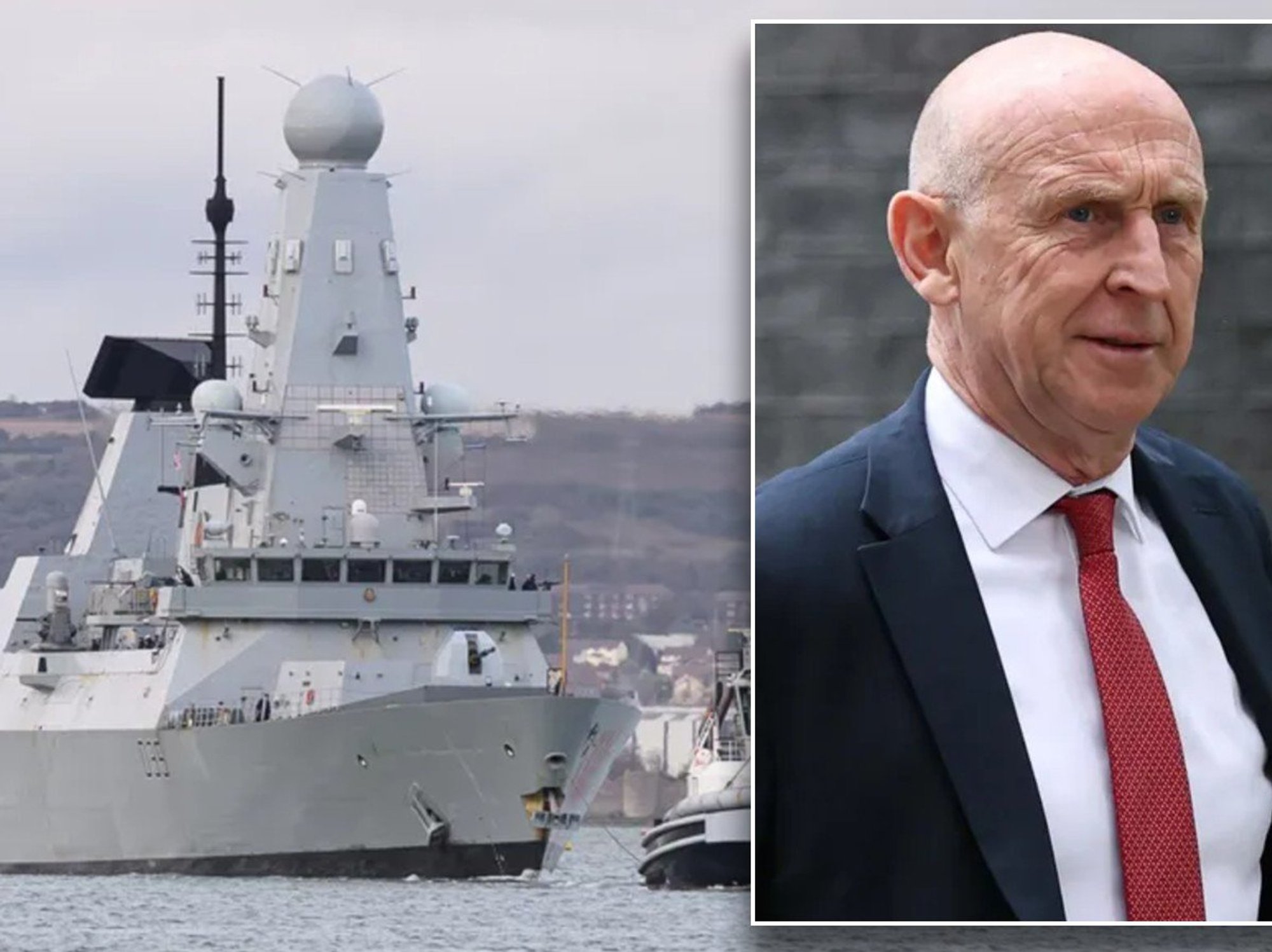



Houthi rebels in Yemen have entered the war in Iran, which could spell further spiralling cost-of-living pressure on Britons.
The militant group, backed by Tehran, has launched a missile towards Israel and could threaten the already imperilled global energy industry.
Israeli military forces confirmed on Saturday morning that air defence systems successfully intercepted a projectile launched from Yemeni territory.
The Houthis announced their attack through a statement broadcast on the Al-Masirah television channel, claiming responsibility for what it described as a barrage of ballistic missiles.
TRENDING
Stories
Videos
Your Say
This strike follows the group's warning issued just hours earlier on Friday, when officials from Yemen declared they would join Tehran's side in the escalating regional conflict.
According to the Houthi statement, the operation targeted what the group described as "sensitive Israeli military sites in southern occupied Palestine".
The Houthis have also threatened to resume attacks on commercial shipping in the Red Sea, a campaign previously waged between 2023 and 2025, which caused havoc in the global economy.
Mohammed Mansour, undersecretary of the group's information ministry, said that closing the Bab el-Mandeb Strait, a global shipping chokepoint, remained "a viable option."
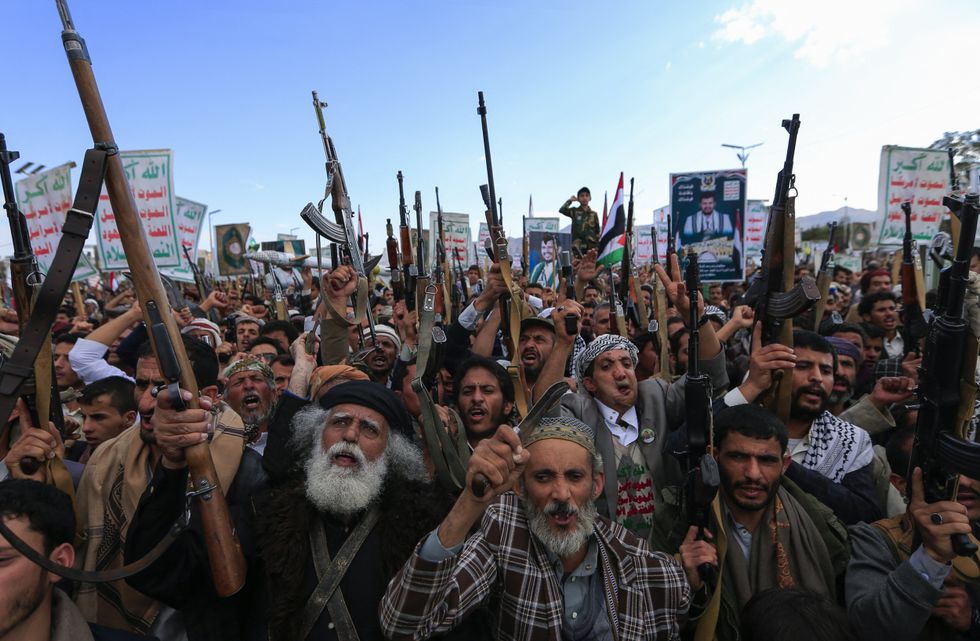
The Houthis have entered the Iran war by launching a missile at Israel
|GETTY
The Bab Al Mandab Strait is a vital shipping lane on Yemen’s coast through which 10 per cent of global oil traffic passes.
The route, just 20 miles wide at its broadest point, is the fourth-most-critical tanker chokepoint in the world.
Iran’s blockade of the Strait of Hormuz following US and Israeli strikes has seen oil prices spiking to the highest levels since 2022, with fuel and heating prices for Britons spiralling.
To accommodate the shutdown, Saudi Arabia has ramped up pipeline capacity to its Yanbu port on the Red Sea.
LATEST DEVELOPMENTS
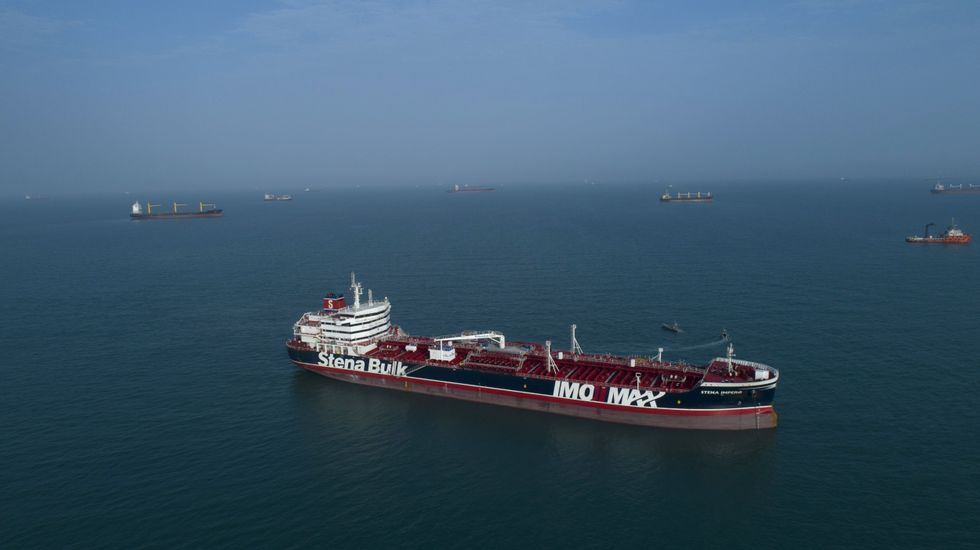
The Houthis have threatened to shut down the critical Bab el-Mandeb Strait
|GETTY
This allows the Kingdom to export 3-5 million barrels of oil per day by avoiding the Strait of Hormuz.
However, Houthi rebel attacks could make it impossible to move tankers through the Bab Al Mandab Strait.
It could mean ships would need to avoid the Suez Canal, which connects the Mediterranean to the Gulf states and the Indian Ocean.
They may be forced to take a far longer route around South Africa via the Cape of Good Hope.
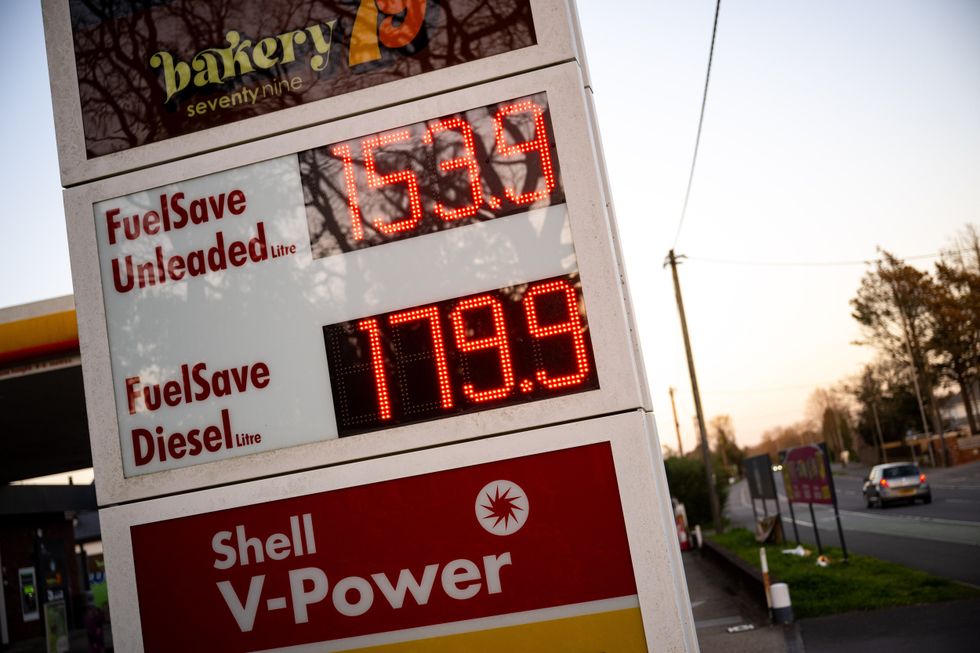
The closing of the Strait of Hormuz has already seen oil prices shoot to the highest levels since 2022
|GETTY
Potentially, this could see the 10 million-barrel-a-day disruption in the global energy economy turn into a 15 million- to 17 million-barrel-a-day drought.
Crude oil prices might quickly spike from the current $90-$100 per barrel to $150 per barrel.
Such pressure on the world’s energy supply would tear to shreds the Government’s already creaking plans to insulate the UK from price shocks.
Measures introduced include extending the 5p cut to fuel duty until August 2026, delaying an immediate increase in pump costs.
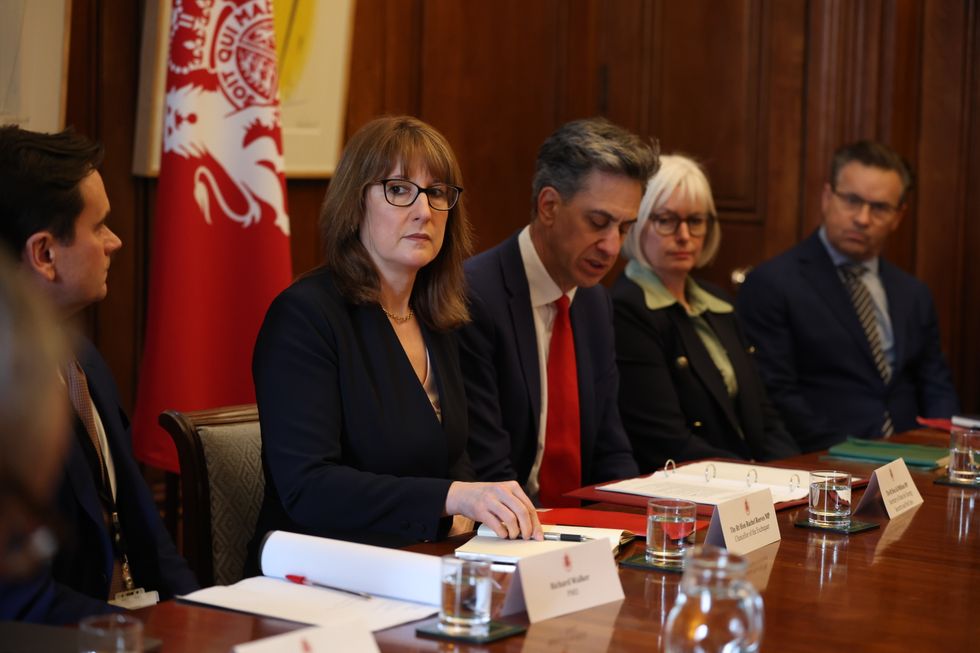
Further pressure on the world’s energy supply could threaten the Government’s already creaking plans to insulate the UK from price shocks
|GETTY
Ministers have also rolled out direct financial support, including a £50m package for households reliant on heating oil and are considering further targeted cost-of-living assistance if prices continue to rise.
It could pile further pressure on the Government to reopen drilling in the North Sea to offset costly energy imports.
The Houthis have suggested their military campaign will persist until what they term "the aggression against all resistance fronts" comes to an end.
Prior to Saturday's strike, the group had signalled its intentions, with officials stating their "fingers were on the trigger" for direct involvement in the conflict.
Leaders have emphasised that operations will continue "until the declared objectives are achieved," suggesting the group is prepared for a sustained campaign.
Our Standards: The GB News Editorial Charter