







President Donald Trump has threatened to "immediately eliminate" Iranian ships threatening the US naval blockade of the Strait of Hormuz.
It followed the imposition of a full-scale naval blockade of the strategically vital waterway, with US Central Command confirming operations commenced at 3pm BST today.
Taking to Truth Social shortly after the blockade took effect, saying Iran’s Navy is “laying at the bottom of the sea, completely obliterated”.
The US President claimed 158 ships have already been taken out, but Iran’s ‘fast attack ships’ have not been targeted because “we did not consider them much of a threat”.
TRENDING
Stories
Videos
Your Say
He added: “Warning: If any of these ships come anywhere close to our BLOCKADE, they will be immediately ELIMINATED, using the same system of kill that we use against the drug dealers on boats at Sea.
“It is quick and brutal.”
The move follows the breakdown of face-to-face peace talks between Washington and Tehran in Islamabad, which fell apart on Sunday morning.
Mr Trump issued stark warnings to Tehran, threatening military strikes against critical civilian infrastructure including water treatment plants, power stations and bridges should they refuse to dismantle its nuclear ambitions.
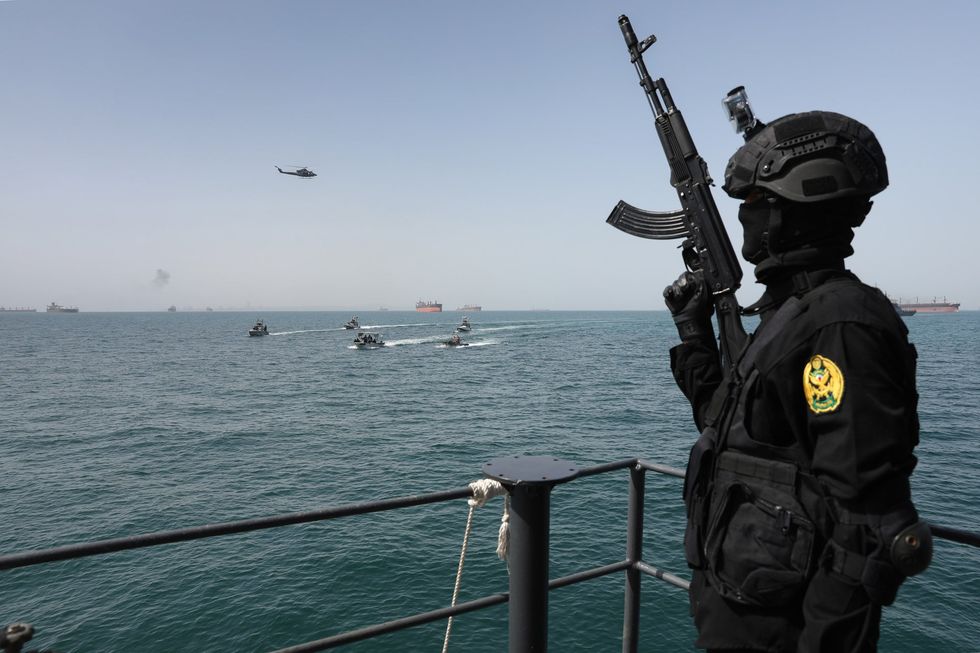
US Central Command has specified that the naval operation will focus exclusively on vessels travelling to and from Iranian ports
| GETTYNow, the blockade marks a significant escalation in tensions between the two countries.
Iran's Revolutionary Guards have responded forcefully to the American action, declaring that any warships approaching the strait to enforce the blockade would constitute a violation of the existing ceasefire and would be met with a robust response.
US Central Command has specified that the naval operation will focus exclusively on vessels travelling to and from Iranian ports.
Ships bound for ports belonging to Washington's Gulf allies will be permitted to pass through the strategic waterway without interference.
LATEST DEVELOPMENTS
Iran has previously signalled its intention to retain authority over the strait once hostilities conclude, including plans to impose transit fees on commercial shipping.
Analysts have cautioned that the blockade carries risks beyond the immediate diplomatic standoff, with potential consequences for global energy markets and oil prices - as witnessed in the UK with surging fuel costs.
Sir Keir Starmer earlier warned Britons risk paying the price for America's military blockade of the Strait of Hormuz.
The Prime Minister will likely drive an even bigger wedge between himself and the US President, with Mr Trump already lashing out at him over his response to events in the Middle East.
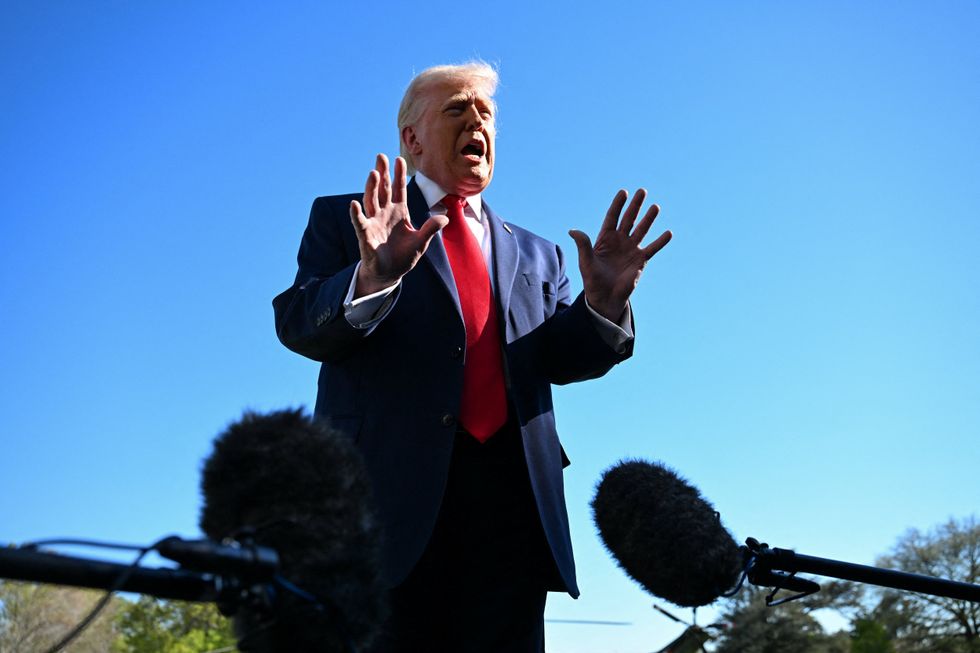
Face-to-face peace talks between Washington and Tehran broke down on Sunday morning
| REUTERSThe distinction appears designed to maintain commercial relationships with friendly nations, whilst applying maximum economic pressure on Tehran through the targeted restrictions.
Although the focus remains on inhibiting nuclear capability, Washington's strategic objective appears to be stripping Iran of its most significant bargaining chip - control over the crucial shipping lane that handles a substantial portion of global oil traffic.
By preventing Iranian crude exports from reaching international markets, American officials hope to undermine Tehran's economic position and ability to leverage the waterway.
Sir Keir told the BBC: "We are not supporting the blockade.
"All of the marshalling diplomatically, politically and capability - we do have minesweeping capability - that's all focused on getting the straits open.
"That's the way we get energy prices down as quickly as possible."
The Prime Minister emphasised that ordinary Britons are bearing the financial burden of the ongoing crisis in the vital shipping lane.
"What we've been doing is bringing countries together to keep the straits open and not shut," he explained, noting that Gulf States had expressed their desire for unimpeded maritime passage during his recent regional visit.
Rather than deploying Royal Navy vessels and troops to enforce the American blockade on Iranian ports, the UK is instead channeling all its resources towards restoring full access to the waterway.
British minesweepers and anti-drone systems will maintain their presence in the region, though Sir Keir declined to elaborate on specific operational details.
The Prime Minister has consistently ruled out any direct British military engagement in the wider conflict.