









China is sending Iran supersonic missiles as President Donald Trump’s top general has warned he is “reluctant” to declare war in the Middle East.
They are preparing to supply Iran with advanced supersonic missiles capable of targeting US aircraft carriers.
Western intelligence officials say Tehran is in advanced negotiations with Beijing to purchase the CM-302 anti-ship cruise missile, a weapon designed specifically to destroy large warships.
The missiles, sometimes referred to as “carrier killers”, are capable of travelling at up to four times the speed of sound while carrying a 500lb explosive payload.
TRENDING
Stories
Videos
Your Say
According to their manufacturer, China Aerospace Science and Industry Corporation, the weapons can fly just above sea level before performing evasive zig-zag manoeuvres designed to defeat ship-based defences.
The CM-302 is believed to have a range of roughly 180 miles and approaches targets below radar detection thresholds until the final phase of flight.
Negotiations reportedly accelerated following last summer’s 12-day conflict between Israel and Iran, raising fears of a significant escalation at sea, the Telegraph reports.
US naval power in the region has surged in response, with the USS Abraham Lincoln carrier strike group currently positioned in the Arabian Sea south of Iran.
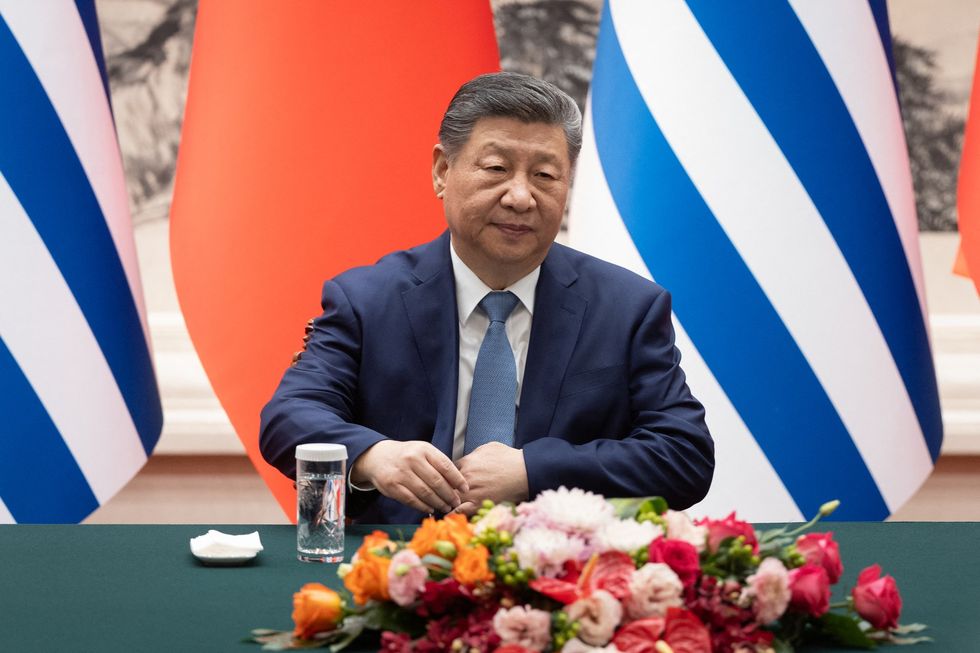
China are preparing to supply Iran with advanced supersonic missiles capable of targeting US aircraft carriers
|GETTY
A second carrier group centred around the USS Gerald R. Ford is also moving closer to the region after being photographed near Crete.
The loss of even a single US aircraft carrier would represent an unprecedented military and political shock for Washington.
Iran has not disclosed how many missiles it intends to buy or when they might become operational.
As talks entered their final stages last year, Tehran reportedly dispatched a delegation of senior defence and government officials to China, including Iran’s deputy defence minister.
LATEST DEVELOPMENTS
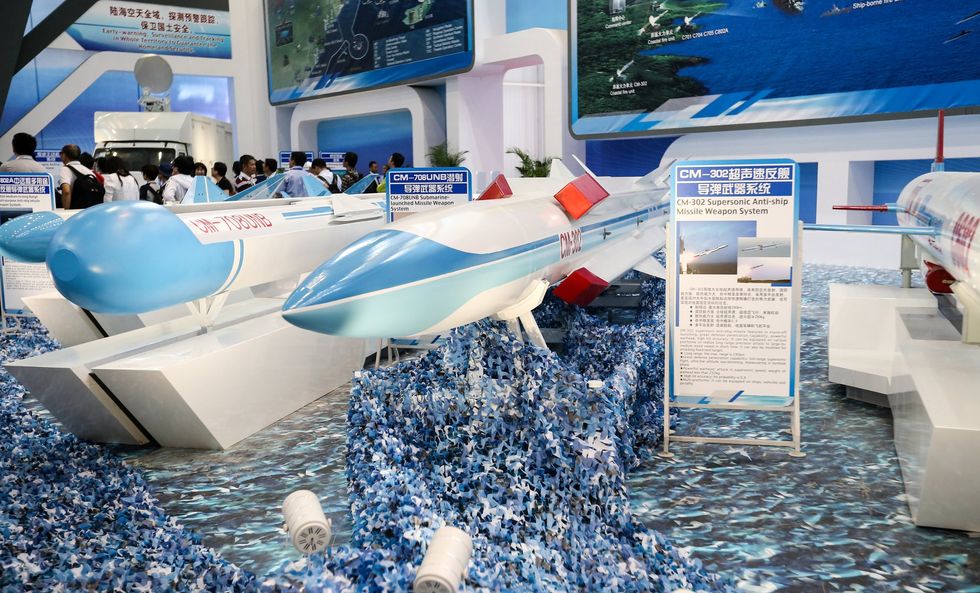
Tehran is in advanced negotiations with Beijing to purchase the CM-302 anti-ship cruise missile
|GETTY
A former Israeli intelligence officer warned the missiles would be “very difficult to intercept”, calling them “a complete game changer” for regional naval warfare.
The developments come as the US amasses its largest concentration of sea and air power in the Middle East since the Second Gulf War.
Washington has also rushed additional missile defence systems into the region, including Patriot batteries and Terminal High Altitude Area Defence interceptors.
At the same time, Iran’s Revolutionary Guard Corps have staged large-scale military drills across southern Iran and the Gulf islands, showcasing what they described as “new combined tactics” and “modern technologies”.
State television aired footage of missiles, rockets and drones being launched at mock targets during the exercises.
The drills coincided with diplomatic manoeuvring in Europe, where US envoys are due to meet Iranian negotiators in Geneva.
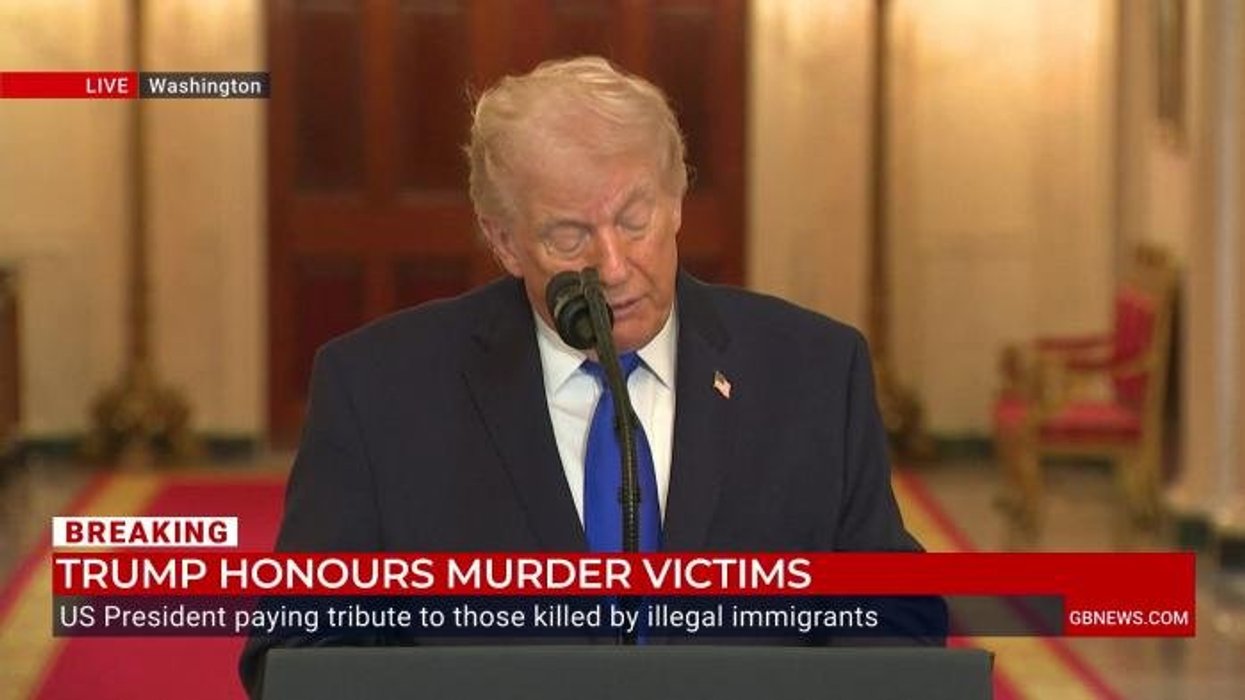
Behind closed doors, however, President Donald Trump is facing warnings from his most senior military adviser.
General Dan Caine, chairman of the Joint Chiefs of Staff, has privately cautioned against launching a strike on Iran, citing severe military and strategic risks.
Sources described General Caine as a “reluctant warrior”, warning that even a limited attack could spiral into a prolonged regional conflict.
President Trump publicly rejected reports of internal disagreement but acknowledged that “General Caine, like all of us, would like not to see War”.
He said: “I would rather have a deal than not, but if we don’t make a deal, it will be a very bad day for that country.”
Senior officials remain divided, with Vice President JD Vance urging caution and warning against another Middle Eastern entanglement.
Concerns have also been raised over depleted US missile stockpiles following heavy use in defending Israel and intercepting Iranian-backed Houthi attacks in the Red Sea.
Despite this, defence analysts say Mr Trump is leaning towards an initial strike designed to force Tehran to abandon its nuclear ambitions.
As China deepens its military ties with Iran and US forces brace for escalation, the president now faces a defining decision on war or diplomacy under the glare of a global audience.
More From GB News