





Australia has become the world's first nation to impose a minimum age requirement for social media platforms after a ban for under-16s has now come into force.
As of midnight local time (1pm GMT), ten major platforms were ordered to prevent users under 16 from accessing their services.
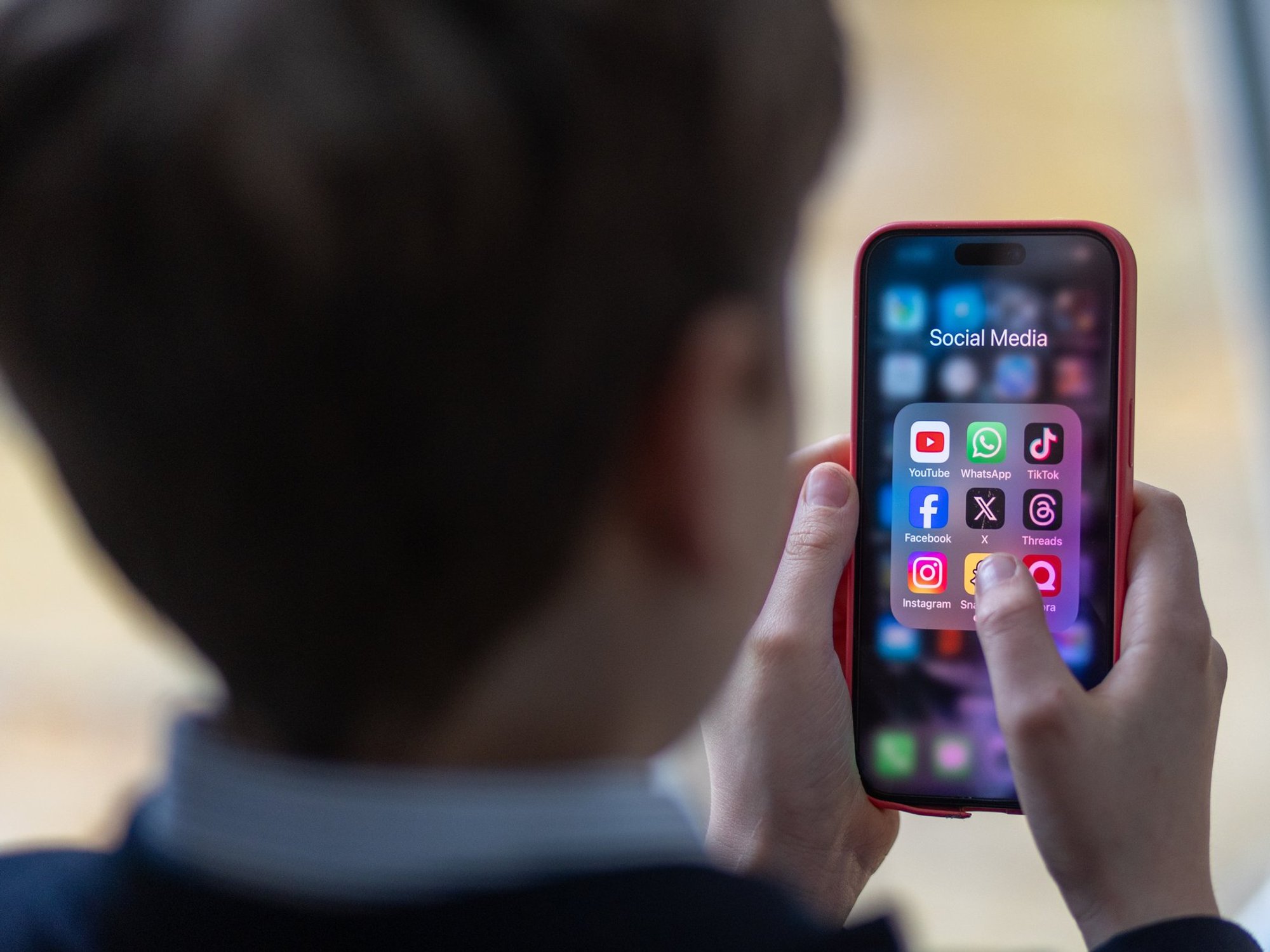
Instagram, TikTok and YouTube are amongst the largest platforms affected by the new law.
Companies failing to comply face fines of up to A$49.5million (£25million).
TRENDING
Stories
Videos
Your Say
The legislation has triggered strong opposition from technology firms and campaigners who advocate for free speech and freedom of expression.
However, the measures have won support from parents' groups and children's welfare organisations.
The move is set to impact an estimated five million young Aussies, one million of whom are between the ages of 10 and 15, according to the country's bureau of statistics.
Government research commissioned this year found 96 per cent of Australian children aged between 10 and 15 use social media.
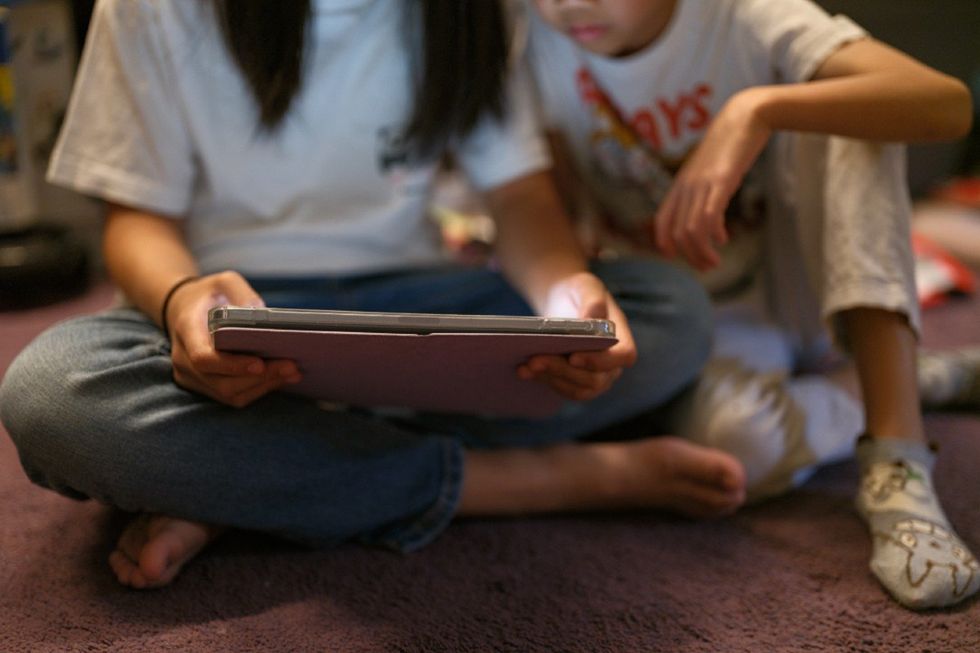
Some five million young people will be impacted by the changes
|GETTY
Seven out of ten had encountered harmful content, according to the study.
This included misogynistic and violent material, as well as posts promoting eating disorders and suicide.
"We want our kids to have a childhood and parents to know we have their backs," Prime Minister Anthony Albanese said just over a year ago when parliament passed the legislation.
Government figures showed some 86 per cent of Australians aged eight to 15 were using social media immediately before the ban came into force.
LATEST DEVELOPMENTS:
- Terrifying explosion rips through Sydney as 200 firefighters scrambled to battle inferno
- The 'Burka Senator' is ahead of her time on Islam. Australia's elite will wish they'd listened - Connie Shaw
- Australian MP Pauline Hanson defends burqa protest and warns ‘England has become unrecognisable’ telling voters to ‘wake up’
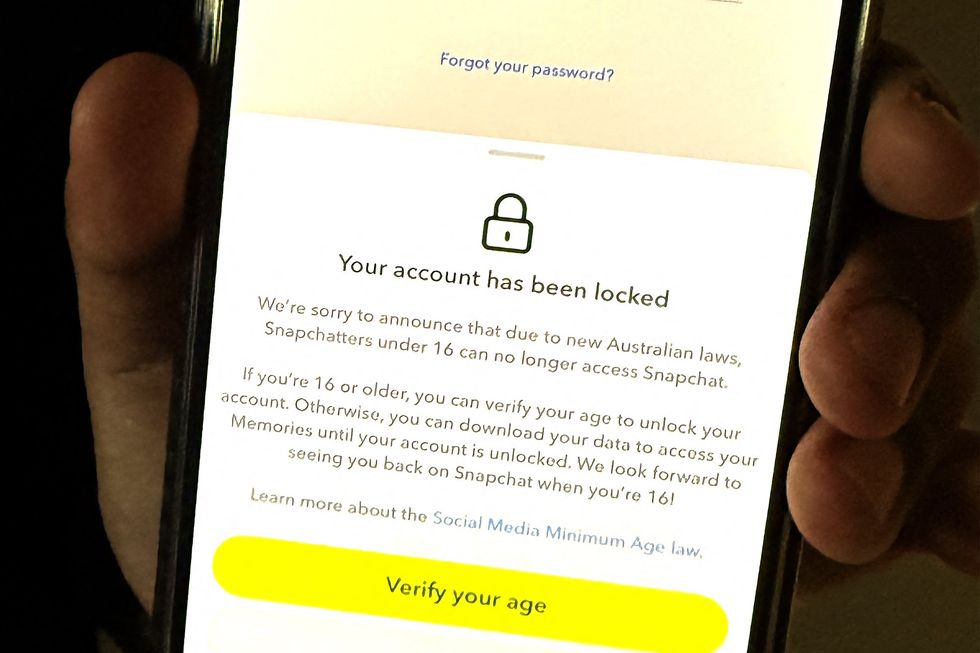
Social media users must now verify their age to access the platforms
|GETTY
Communications minister Anika Wells said she remains undeterred by resistance from technology companies.
"Anyone who has multiple small children will know how to negotiate against powers that seem beyond your control," she told the BBC.
She added "countless" stories of parents whose children have suffered online have kept her going.
The move is expected to trigger similar action worldwide, with multiple governments indicating plans to follow Australia's example.
The UK has confirmed it is watching Australia's regulatory approach with close attention.
A Labour Government spokesman noted Britain introduced age verification requirements for pornographic websites in July, blocking users under 18.
"When it comes to children's safety, nothing is off the table," the spokesman said.
Australia's eSafety Commissioner has commissioned extensive research to track the impact of the new rules.
Stanford University and 11 academics have been hired to examine data on thousands of young Australians affected by the ban.
The analysis will continue for at least two years.
Governments from Denmark to Malaysia have indicated they are considering similar measures.
Even some US states are exploring comparable restrictions, despite platforms reducing trust and safety features there.
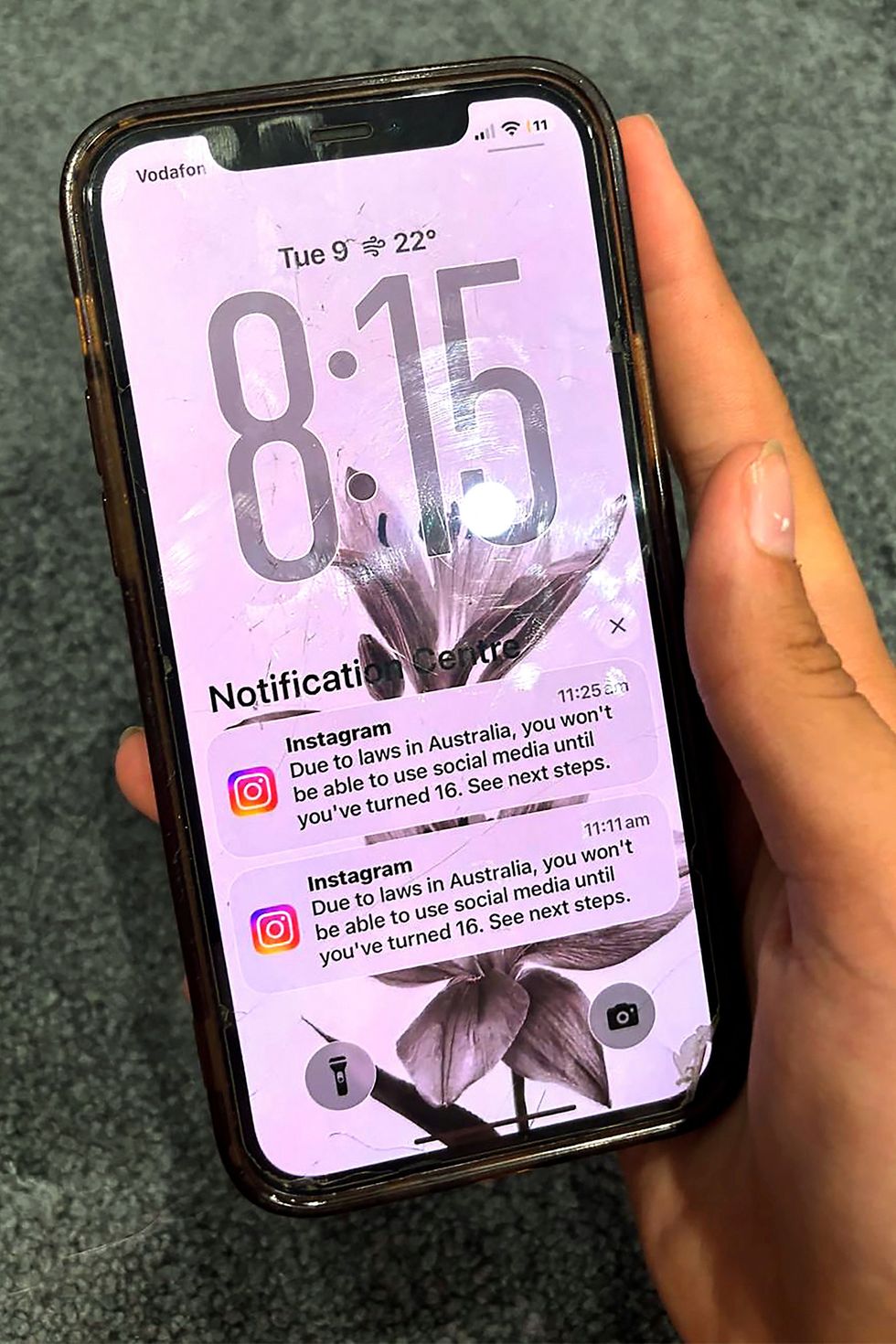
The changes came into force at midnight local time on Wednesday (1pm GMT Tuesday, December 9)
|GETTY
Nine of the ten platforms covered by the ban have confirmed they will comply with the new requirements, most of which will use age inference technology, which estimates a user's age based on their online behaviour.
Others plan to deploy age estimation tools, typically analysing selfie photographs to determine age.
Some platforms may request identification documents or verify ages through linked bank account information.
Elon Musk's X stands alone in refusing to cooperate with the restrictions.
Musk said the ban "seems like a backdoor way to control access to the internet by all Australians".
Tama Leaver, a professor of internet studies at Curtin University, suggested the policy marks a turning point.
"While Australia is the first to adopt such restrictions, it is unlikely to be the last," he said.
"Governments around the world are watching how the power of Big Tech was successfully taken on. The social media ban in Australia ... is very much the canary in the coal mine."
Our Standards: The GB News Editorial Charter
More From GB News