





Air France and Airbus have been found guilty of corporate manslaughter following a historic crash which claimed 228 lives.
The Paris Court of Appeals verdict overturns a 2023 decision by a lower court that had acquitted both firms of any wrongdoing in relation to the 2009 Rio-Paris aircraft disaster.
The crash of Flight AF447 is considered France's deadliest aviation incident.
Judges imposed the maximum permissible penalty for the offence, ordering each company to pay fines of €225,000 (£194,492).
The fines are thought to represent merely minutes of revenue for companies of their size.
The verdict followed an eight-week trial in which both corporations consistently maintained their innocence.
AF447 disappeared from radar on June 1, 2009, whilst traversing the Atlantic Ocean during a storm.
The aircraft, an Airbus A330, was carrying passengers from 33 different countries when it vanished into darkness.
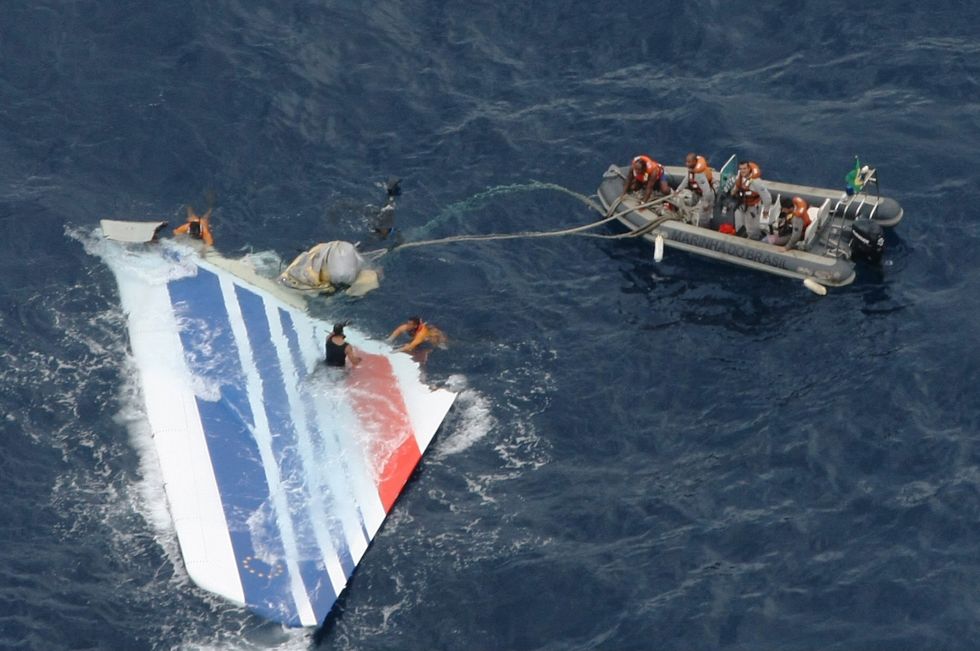 All 228 people died in the crash - France's deadliest aviation incident in history | GETTY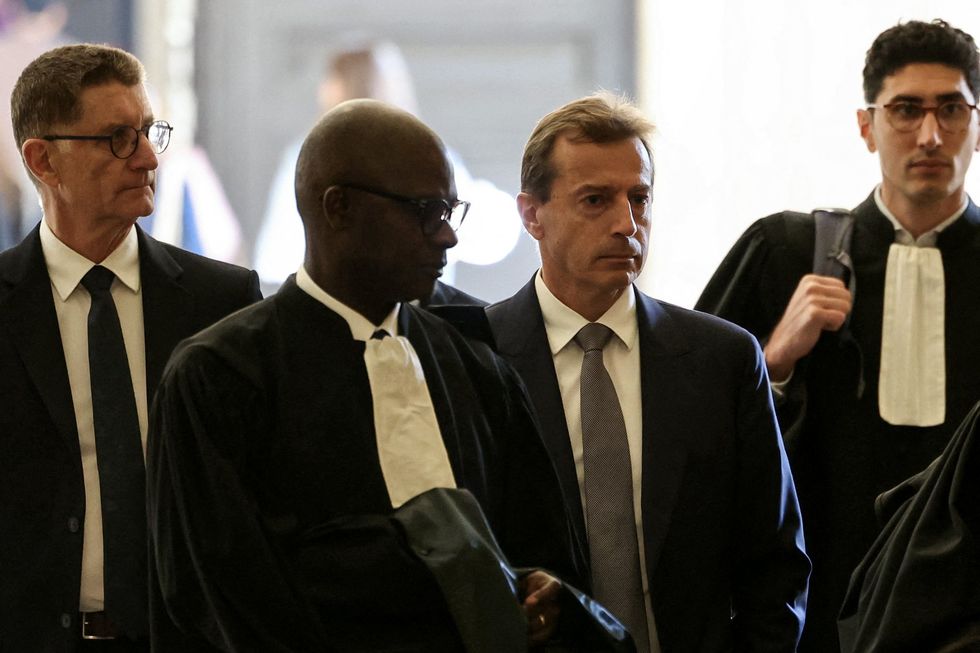
French Airbus Chief Executive Officer Guillaume Faury (3rdL) arrives at the Court of Appeal for the trial of Airbus and Air France for 'involuntary manslaughter' in the crash of the Rio-Paris Air France flight A330 on June 1, 2009
|GETTY
The majority of the 228 killed in the incident held French, Brazilian or German nationality.
Investigators required two years to locate and retrieve the aircraft's black box recorders from the ocean depths.
The deep-sea search operation eventually succeeded in recovering the crucial flight data devices.
Relatives of the deceased have pursued justice through the courts for 17 years since the tragedy occurred.
Crash investigators from the Bureau of Enquiry and Analysis for Civil Aviation Safety (BEA) concluded in 2012 the aircraft's flight crew had caused the jet to enter a stall by mismanaging issues related to frozen sensors.
LATEST DEVELOPMENTS:
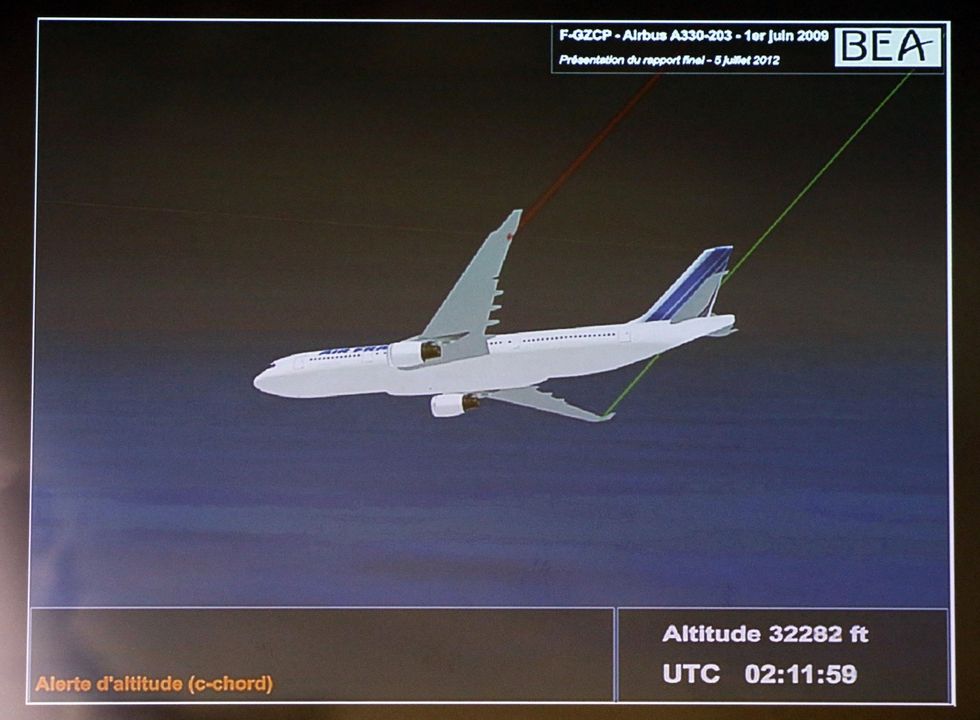
Footage from the BEA crash investigation found the aircraft's flight crew had caused the jet to enter a stall by mismanaging issues related to frozen sensors
|GETTY
The mishandling removed lift from beneath the aircraft's wings, causing the plane to lose control.
However, prosecutors directed their case towards alleged shortcomings within both the airline and aircraft manufacturer.
The charges centred on inadequate crew training and the companies' failure to respond to previous similar occurrences.
To secure convictions for manslaughter, prosecutors faced the challenge of not only demonstrating corporate negligence but also establishing a direct causal link between that negligence and the disaster.
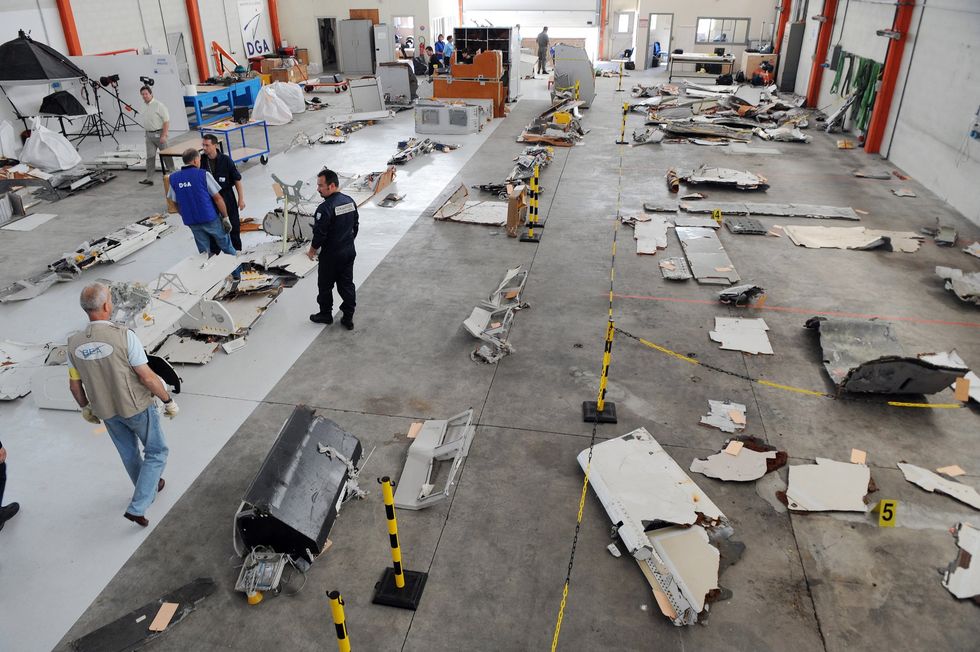
The crew's mishandling removed lift from beneath the aircraft's wings, causing the plane to lose control and crash
|GETTY
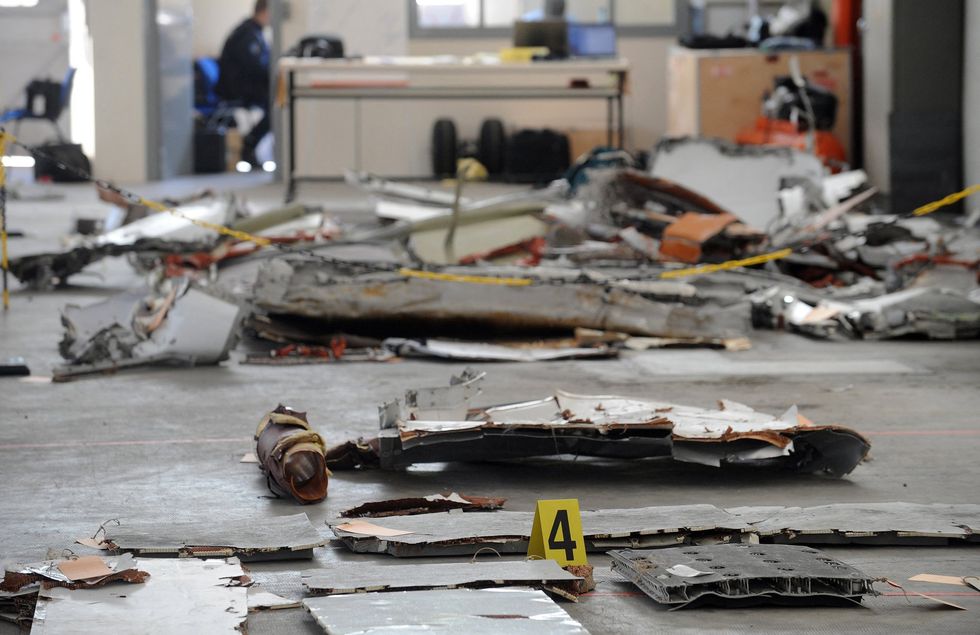
The aircraft, an Airbus A330, was carrying passengers from 33 different countries when it vanished
|GETTY
They needed to connect these failures to show how they led to the fatal accident.
Family members of victims assembled at the court to witness the ruling after nearly two decades of seeking to establish responsibility for the catastrophe.
Legal experts in France anticipate that both companies may lodge further appeals with the country's supreme court.
Such additional legal challenges could extend proceedings for several more years, continuing the lengthy ordeal for bereaved families.
Any subsequent appeals would examine points of law rather than revisiting the evidence surrounding the accident itself.
The previous year's appeal process had required all evidence to be examined afresh in what amounted to an entirely new trial.